


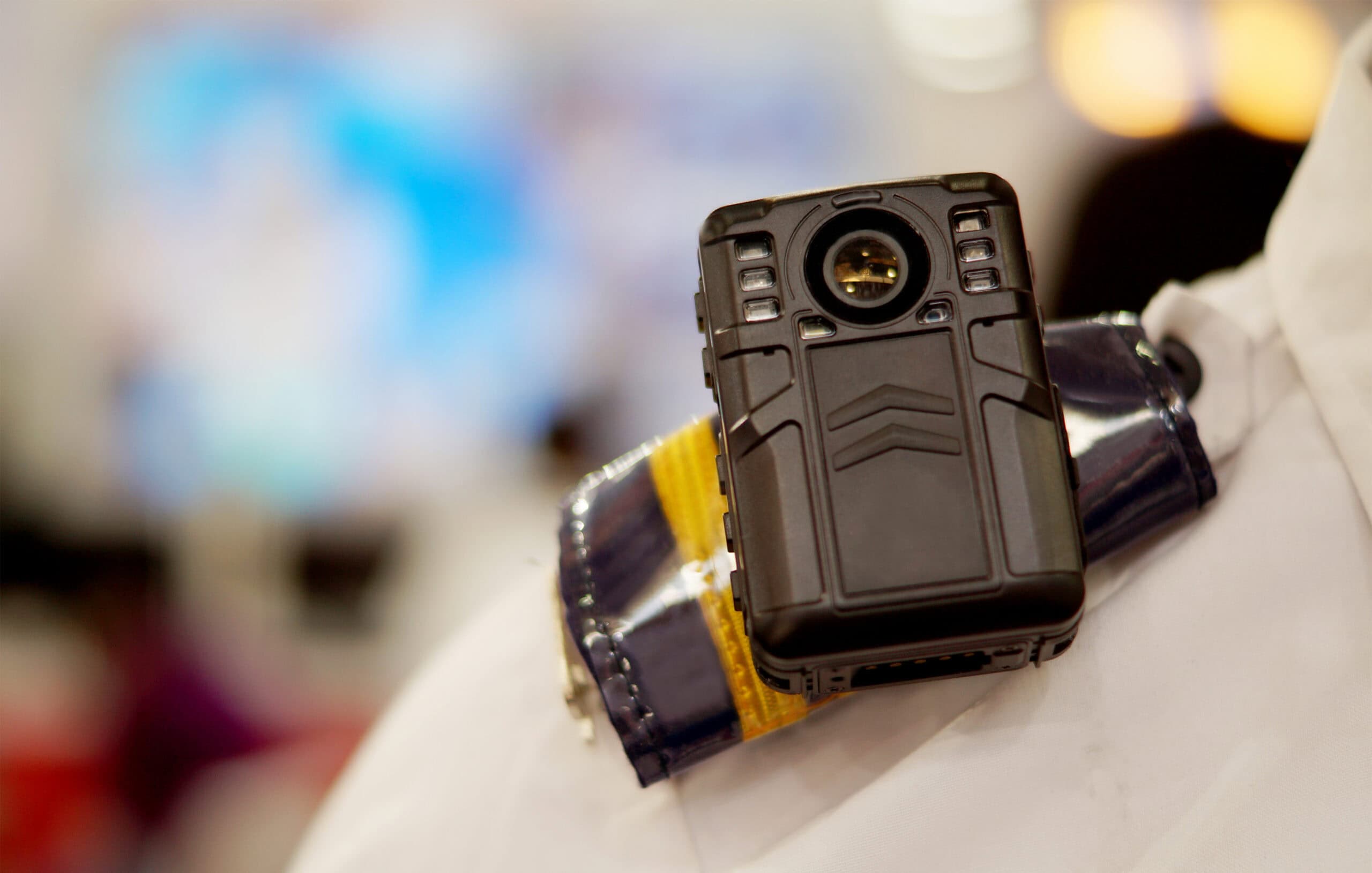
Madison’s refusal to equip its police officers with body cameras isn’t just outdated; it’s downright dangerous for officers and the public alike. The fatal police shooting of Corey Ruiz, and the complete absence of body cameras, exposed a failure of leadership that Madison can’t hide behind “progressive values” or “privacy concerns” anymore.
Investigators are relying on shaky bystander videos to piece together what happened in the Ruiz shooting. No body camera recording. No accountability tool that nearly every major Wisconsin department already uses, including Milwaukee, Green Bay, Kenosha, Racine, Waukesha, and most suburbs with more than three squad cars.
Madison keeps insisting body cameras are “complicated.” What’s complicated is watching a city of nearly 300,000 people with a police force that has no body cameras.
For more than ten years, Madison’s elected leaders have studied the issue. They have held listening sessions, and formed committees.
They’ve done everything except actually implement body cameras.
Even activist groups that once opposed cameras due to surveillance concerns have changed their stance. The community wants transparency. The community wants answers. The community wants the truth, not press conferences, not political spin, not “we’re still studying it.”
Enough with excuses!
The shooting of Corey Ruiz, a Black man, was the breaking point. Bystander videos show officers restraining Ruiz, Ruiz brandishing a knife, an officer being cut or stabbed, and that officer firing three fatal shots. Wisconsin’s Department of Justice is reviewing those videos. The Ruiz shooting forced Madison’s hand.
One of the attorney’s for the family, B’Ivory LaMarr said, “We are in a major metropolitan city in Wisconsin, and Madison is one of the few cities that still does not have police body cams.”
That’s not a privacy stance. That’s negligence.
Suddenly, Madison found the money. How interesting. Mayor Satya Rhodes-Conway, who previously hesitated to support citywide cameras, is now asking for $400,000 from the city’s common council to phase them in starting in 2027.
City Council President Sabrina Madison says the votes are finally there.
Amazing how fast political gridlock melts when the headlines get ugly.
Body cameras won’t solve every problem. They won’t magically restore public trust. But they will provide a factual record, a reference point, and layer of transparency.
Body cameras aren’t a cure. They’re the baseline of accountability. They protect the police and the public. They give investigators and the public a clearer picture, not one filtered through press releases or selective “journalism.”
As Jim Palmer of the Wisconsin Professional Police Association said: “Body camera footage can support an officer’s actions, and sometimes it raises difficult questions. But either way, it provides a more complete picture.”
Madison is out of excuses. This is Wisconsin’s capital city, a place that prides itself on “progressive” leadership. Yet it’s one of the last major cities in the state without body cameras on patrol officers.
The Ruiz shooting didn’t create the problem. It exposed it. Madison can’t keep telling the public to wait any longer. Madison was asking citizens to trust a system that refuses to give the basic tools of transparency.
The community has changed its stance.
The mayor has changed her stance.
The council has changed its stance.
Now the city needs to change its policy. Funny how urgency appears when you’re on the front page of an alarming incident that has captured national attention.
