


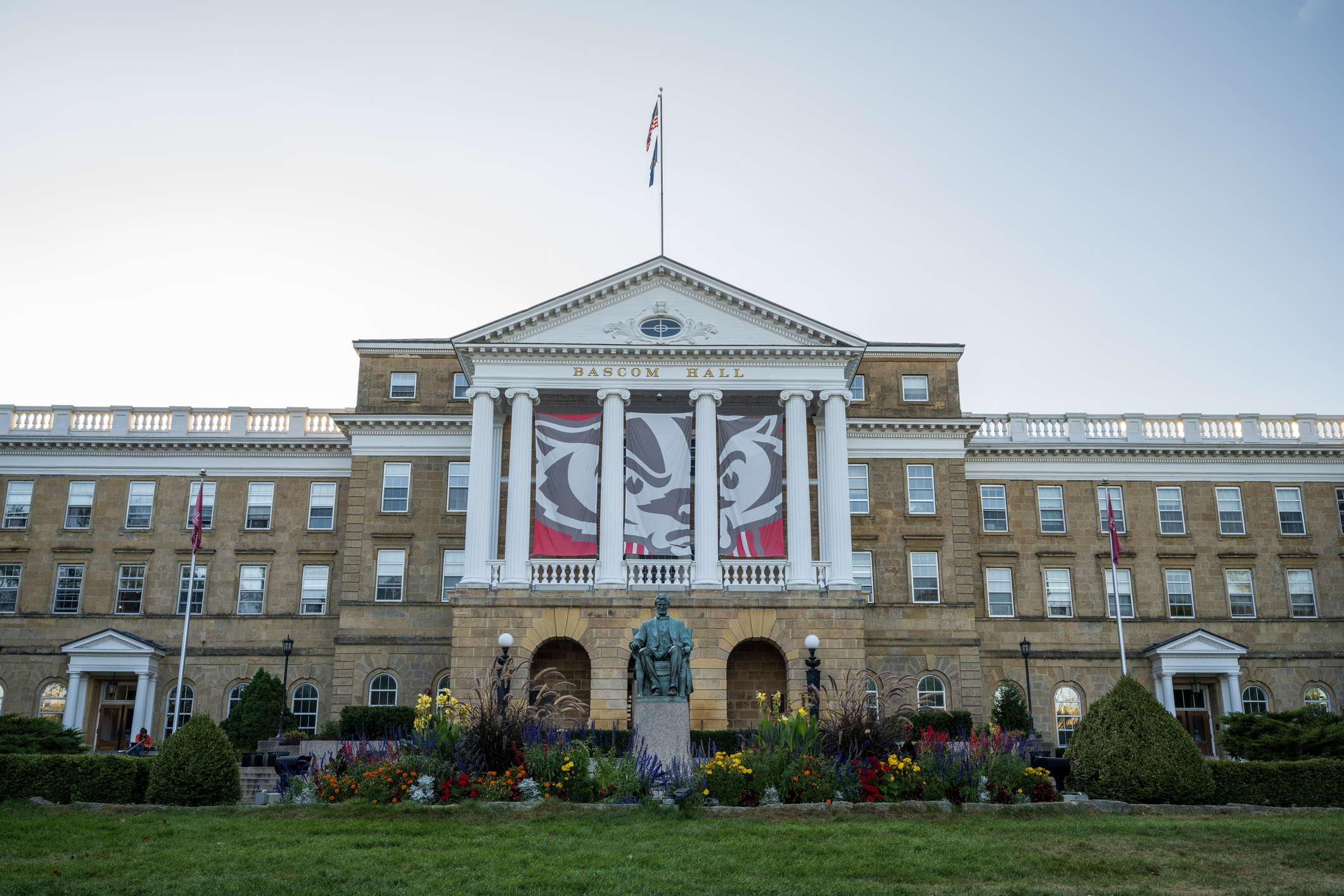
The University of Wisconsin System is currently rudderless, lacking a permanent system president and a permanent chancellor at its flagship campus in Madison, even as the Board of Regents recently approved another tuition increase and is demanding nearly $200 million in new state funding in exchange for freezing rates.
Interim system President Renée Wachter has led the University of Wisconsin System since the Board of Regents fired former President Jay Rothman earlier this year. At UW-Madison, interim Chancellor Eric Wilcots has been in place since Jennifer Mnookin left to become president of Columbia University. Permanent searches for both positions remain ongoing.
In June, the Regents approved a 2 percent increase in in-state undergraduate tuition for the 2026-27 academic year, along with higher segregated fees. The hike came after the system pocketed a substantial boost in state support in the previous budget cycle — approximately $256 million more than the prior biennium, said to be the largest increase in two decades.
Now, the university’s leadership is holding tuition relief hostage, demanding a fresh $190 million ransom as part of their $730 million budget wish list for 2027-29. Regent President Kyle Weatherly and Wachter have offered a two-year tuition freeze if lawmakers and the next governor provide an additional $190 million. The proposal also includes a pledge to limit subsequent increases to the rate of inflation, which officials call a “4-Year Tuition Pledge.”
Critics describe the move as bureaucratic extortion. First raise tuition after receiving more state aid, then threaten even higher rates unless the state ponies up again. Without the extra $190 million, system officials have indicated further increases are likely.
The University of Wisconsin system enrolls more than 160,000 students across 13 campuses. In-state undergraduate tuition at UW-Madison rose to roughly $10,717 under the latest increase.
Republican lawmakers have long argued that the university system should prioritize efficiency, workforce-readiness programs, and cost control rather than making repeated requests for larger state subsidies.
