


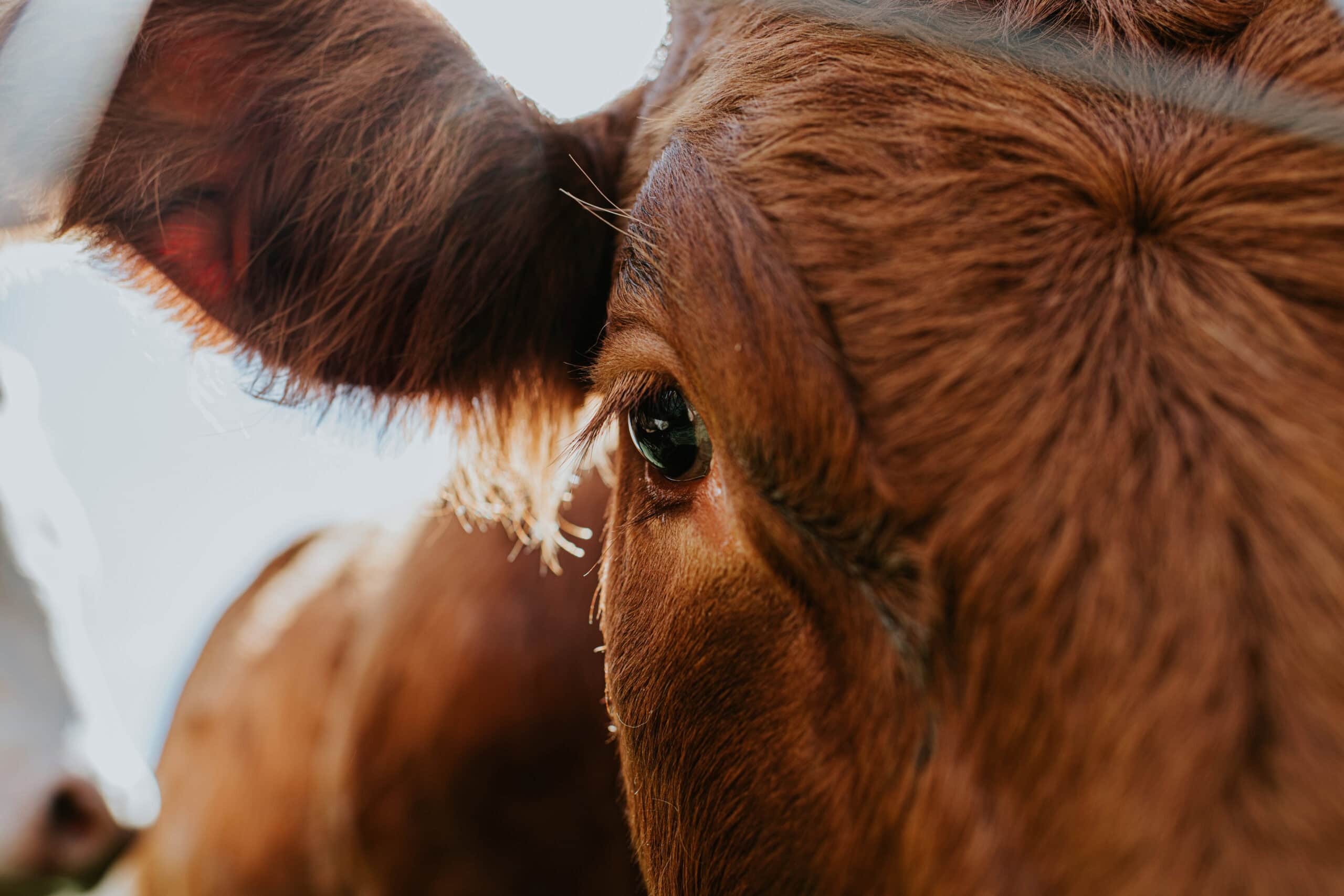
Wisconsin has spent generations building one of the nation’s strongest agricultural economies the world has ever known. Our farms feed America, our processors put food on grocery store shelves, and thousands of Wisconsinites make their living somewhere along the supply chain. This is why Wisconsin needs to pay close attention to the White House’s decision to temporarily allow foreign ground beef to flood the market to help lower prices at the grocery story.
The Trump administration announced plans to allow up to 300,000 metric tons of imported ground beef over 90 days at reduced tariffs, arguing the move will help to lower prices for consumers and ultimately rebuild the American cattle heard, which is suffering from the worst heard numbers they’ve had in 75 years.
American ranchers are quick to point out the obvious problem — You cannot rebuild the American cattle herd by making it less profitable to raise American cattle.
Within a day of the announcement, cattle prices dropped nearly 40 cents, but store prices for consumers didn’t budge. The rancher takes the financial hit immediately, and there’s no indication that consumers will ever see a significant change in price.
Illinois Cattleman on X @cattleguy92 points out — producers work every day, absorb higher costs and take the risks associated with raising livestock. Farmers has a responsibility to call out bad policy regardless of which political party proposes it. “We raise live animals. Livestock makes up the American cattle herd. Ground beef is but one of the finished products after almost 2 years of work and money tossed into making that product.” Turning living, breathing cattle into a commodity slogan of “ground beef herd” reveals how far the conversation has drifted from the people who actually do the work.
Sen. Tom Cotton (R-AR) is urging President Trump to reconsider the policy. “Beef prices are too high for a simple reason: Our cattle herd is too small,” Cotton said. “Imported beef below market prices will only put more pressure on our cattlemen.”
He’s right. A cattle herd cannot be rebuilt overnight; it takes years before additional cattle reach the market. Producers considering expansion of their herd were essentially told don’t bother. You don’t have control over your business — the government does.
If Washington sends a signal that cheaper foreign beef will be used to suppress domestic cattle prices, cattlemen have less incentive to make the investment to expand their herd. That is precisely the opposite of what America needs to fix the problem.
This hits home in the Heartland. In Wisconsin — this industry represents $34B in economic activity and more than 43,000 jobs. The effects reach far beyond the farm. This will negatively affect all businesses that support farm dealers — veterinarians, equipment manufacturers, auction barns, processors, truckers, and countless small businesses in rural communities. Wisconsin’s agriculture economy is too important to gamble on short-term solutions that will never solve the long-term problem.
There is nothing inherently conservative about supporting government intervention simple because it comes from a Republican administration. This is haphazard problem solving at best. If America needs more beef, then create the conditions for American ranchers to produce more beef.
Remove unnecessary barriers and regulations, encourage investment, and strengthen domestic processing. Make it easier for the next generation to take over the family farm. Then get out of the way and let the market work.
Temporary imports to fill supply gaps for a few months will not magically rebuild America’s cattle herd, and food security matters. A nation that cannot reliably feed itself becomes dependent on other nations for something far more important than another cheap consumer product from mainland China. Food security is a core pillar of national security. Access to safe and a stable food supply is just as critical to our nation as military defense. America First Means American Farmers First.
