


In the 2023-25 budget, lawmakers approved a $325-per-pupil increase in revenue limits for two years. Evers used his partial veto to remove digits and the hyphen from ‘2024-25’, extending the annual $325 rise into 2425 and creating what is known as the 400-year veto. The Wisconsin Supreme Court confirmed the veto in April 2025. And according to a recent Wisconsin Policy Forum report, Wisconsinites are seeing the biggest rise in property taxes since 2007.
The $325 figure is not a one-time bump. It stacks. Each year the allowed revenue limit rises by another $325 per pupil on top of prior years. Without a matching increase in state general aid, school boards fill that authority with property taxes. The 2025-27 budget did not raise general school aid. Special education reimbursement increased instead. Districts then used the extra levy room.
Evers has said the veto is not an automatic tax increase because school boards decide whether to use the extra authority. But legislative experts at Americans for Prosperity – Wisconsin, education researchers at the Wisconsin Institute for Law & Liberty, and researchers at the Badger Institute note that districts routinely take the room they are given. Even the Wisconsin Association of School Boards said it is “theoretically possible” a district would not levy the maximum amount, but highly unlikely.
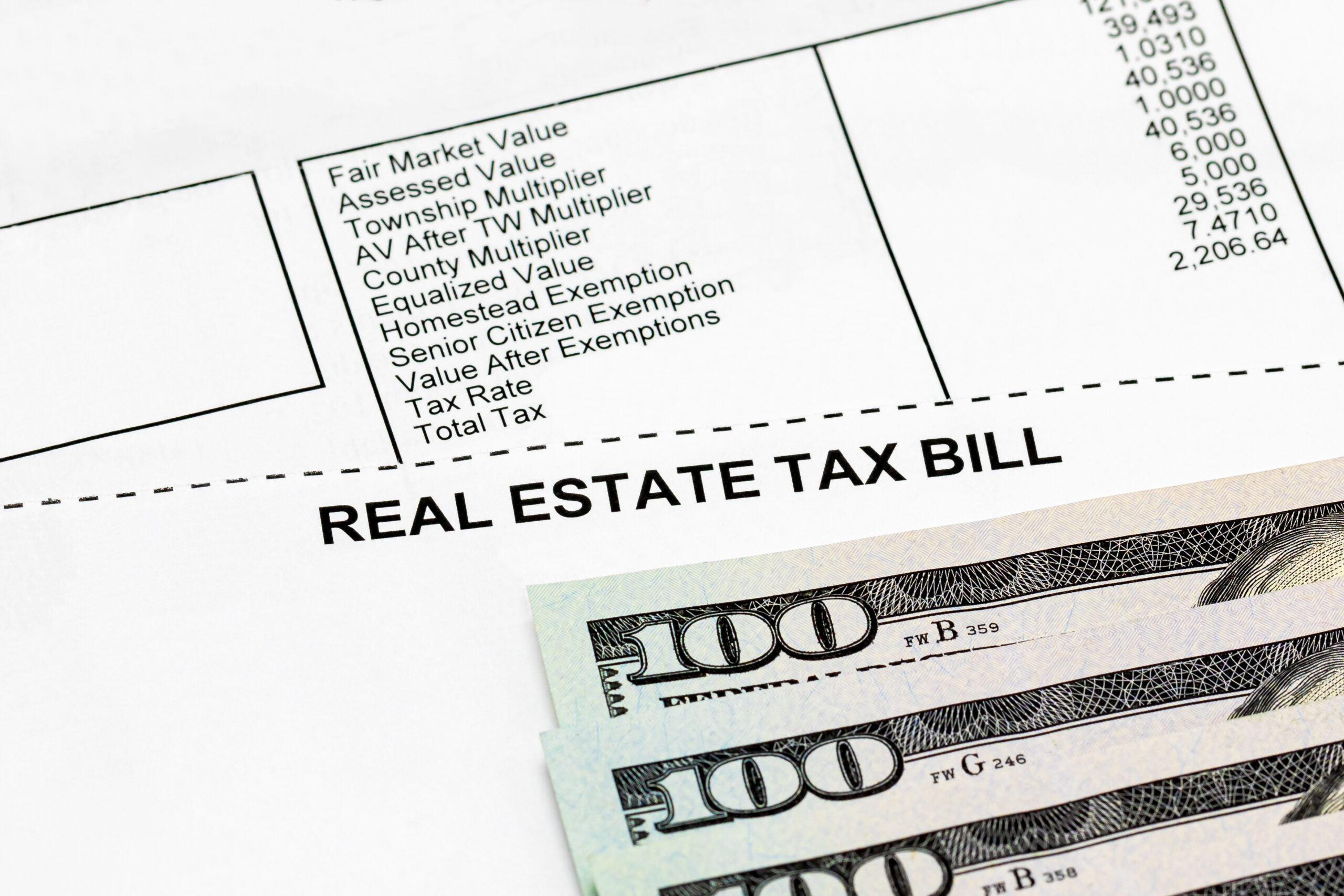
Forum analysis of Department of Revenue data found statewide K-12 property tax levies rose about $476 million, or 7.8%, on December 2025 bills. This is the largest percentage increase since 1992. Madison’s school levy increase alone accounted for 17% of the statewide K-12 levy rise. Even without Madison, school levies would have grown 6.9%.
County and city totals vary. The Forum reported Racine County’s combined local levies rose 10.9%, followed by Washington County at 6.8%, Kenosha County at 6.3%, Walworth County at 6%, Ozaukee County at 5.1%, Milwaukee County at 5%, and Waukesha County at 3.3%. In the city of Madison, gross levies for all taxing authorities rose 11.9%, the most since 1985.
Property values also climbed. Equalized values as of Jan. 1, 2026, increased 7.6% statewide and crossed $1 trillion for the first time. Value growth can lower the tax rate per $1,000 even as the dollar levy grows. Homeowners still pay more when the levy rises faster than credits offset it. When Evers used his veto pen to increase the levy limit through 2425, he did so knowing property taxes would rise.
Wisconsinites did not vote to lock in a stacked $325-per-pupil hike through 2425. The Legislature did not approve a $325-per-pupil hike through 2425. Governor Evers did that with his veto authority, and the bill is due.
