


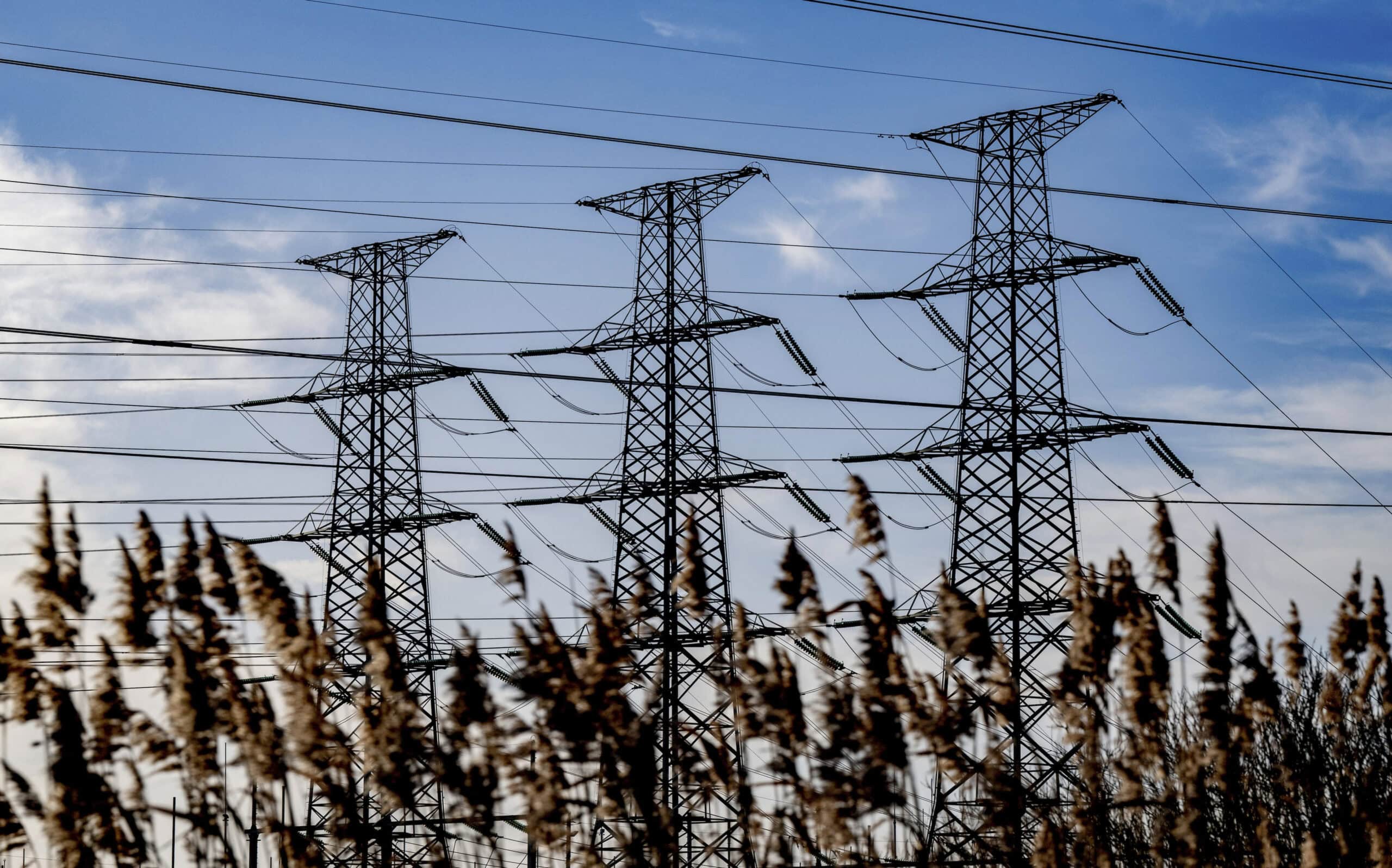
Wisconsin households pay the second-highest residential electricity rates in the Midwest, and a new report from two Wisconsin groups says the way utilities are paid helps explain why. Utilities earn a guaranteed profit on whatever they build, with no competitors and little reward for holding bills down, and regulators approve most of the rate increases they request. Customers even keep paying for power plants that have closed.
The report, Building Wisconsin’s Energy Future, was released by Americans for Prosperity-Wisconsin and the Wisconsin Institute for Law & Liberty. It explains how the state’s electric system works, takes aim at the mandates and subsidies the groups say add to the bill, and lays out reforms for the Legislature and the Public Service Commission as demand for power is projected to climb.
Bills keep climbing
The average household pays about $1,400 a year for electricity. Usage has barely moved in two decades: Wisconsin used about 68.0 million megawatt-hours a year in the 2000s and 68.7 million in 2020 through 2024. Prices have not stood still. They are up 137% since 1990, and the climb accelerated after 2020. Residential prices are still rising at the state’s major utilities.
Regulators say yes
When utilities ask for more, they usually get it. Since 2021, the Public Service Commission has approved roughly $2.2 billion of the more than $3.1 billion in rate increases the major utilities requested, about 71%. The commission is often seen as a rubber stamp, the report says.
“Families and businesses are paying some of the highest electricity prices in the Midwest,” WILL’s Sam Krebs said in a statement. “The status quo is not working. We need more competition and stronger oversight to keep bills down and make sure people have power when they need it.”
A guaranteed profit, with no competitors
The roots go back to 1907, when Wisconsin gave each utility an exclusive territory in exchange for oversight of its rates and service.
A utility doesn’t profit from selling electricity. Fuel, labor, and taxes are billed dollar for dollar, with no markup. Profit comes from a government-set return on the plants, lines, and substations it owns, and authorized returns of 9.8% to 10% have been above the national average for at least two decades. In a normal market, competition keeps prices in check. Here customers can’t leave, so a utility earns the same return whether or not a plant is needed, efficient, or reliable, and the reward for keeping bills down is weak.
WEC Energy Group, which sells roughly half the electricity in the state, plans to grow its asset base from $34.2 billion to $59.6 billion by 2030. This year it told shareholders it was marking its 23rd consecutive year of higher dividends.
Still paying for plants that no longer run
The incentive shows up when plants close early. Customers keep paying what is left on the books, plus a return to the utility. Pleasant Prairie closed in 2018 with roughly $665 million unrecovered. Ratepayers will keep paying until 2039, by which point they will have paid over $1 billion because the balance earns the utility a return the whole way down. “That is 21 years of paying for a plant that produces nothing,” the report says.
Oak Creek is next. We Energies spent nearly $1 billion in 2011 to keep the coal plant running another 30 years, then announced its closure nine years later. About $600 million is still on the books, according to WEC’s filings, and ratepayers will pay that balance plus a return for roughly 15 more years. Utilities counted savings from closing older plants, mainly fuel and upkeep, but ratepayers still pay for the shuttered plants and the new construction.
Mandates and subsidies add to the bill
A Public Service Commission analysis found Wisconsin’s Renewable Portfolio Standard made rates 2.84% to 3.52% higher in 2021 and 2022, which the report estimates adds roughly $200 million to $250 million a year to ratepayer bills. And 47% of the electricity used to meet the mandate came from out of state, primarily wind turbines in Iowa.
Demand is about to climb
That matters more now. The PSC projects peak demand will grow 40% by 2032, from 14.2 gigawatts to more than 20, and the North American Electric Reliability Corporation has put the MISO region among those most at risk of rolling blackouts beginning in 2028. The groups see an opportunity: Wisconsin has more manufacturing workers per capita than any other state, and businesses are choosing places where energy is abundant and cheap.
“Wisconsin has a generational opportunity to advance bold reforms and lead the Rust Belt’s revival,” AFP-Wisconsin’s Jerry Ponio said in a statement. “As energy demand grows, states with reliable, affordable power will attract the next wave of jobs and investment.”
What the report recommends
- Reward savings, not spending. Part of a utility’s guaranteed return would depend on how well it controls costs.
- Stop paying for power that isn’t there. Ratepayers would fund only the capacity the grid can count on at peak, and no utility would earn a return on a project before it serves customers.
- Fix the bill for closed plants. The PSC could reject retirements that would raise costs or weaken reliability, and regulators could require that what is left on a retired plant be refinanced through bonds at about 3% to 4%. We Energies did that at Pleasant Prairie, saving an estimated $40 million, but not at Oak Creek, where an estimated $117.5 million would have been saved.
- Build first, retire second. No always-on plant would close until equal or greater dependable power is built and running.
- Make growth pay its own way. Large new users would build or contract for their own power, including through microgrids, so new demand doesn’t land on household bills.
- Competition, not favoritism. New transmission would stay open to competitive bids, and mandates and subsidies, including the Renewable Portfolio Standard, would be audited and repealed.
- Protect landowners. Today, once the PSC grants a certificate, the necessity of taking any parcel along the route is settled, and owners can fight only over the price. A court would hear the evidence.
The groups say the Legislature and the PSC have options available right now. “A reliable, affordable, and innovative energy future is still within Wisconsin’s reach,” they conclude. “Whether we get there depends entirely on what the people with the authority do next.”
