


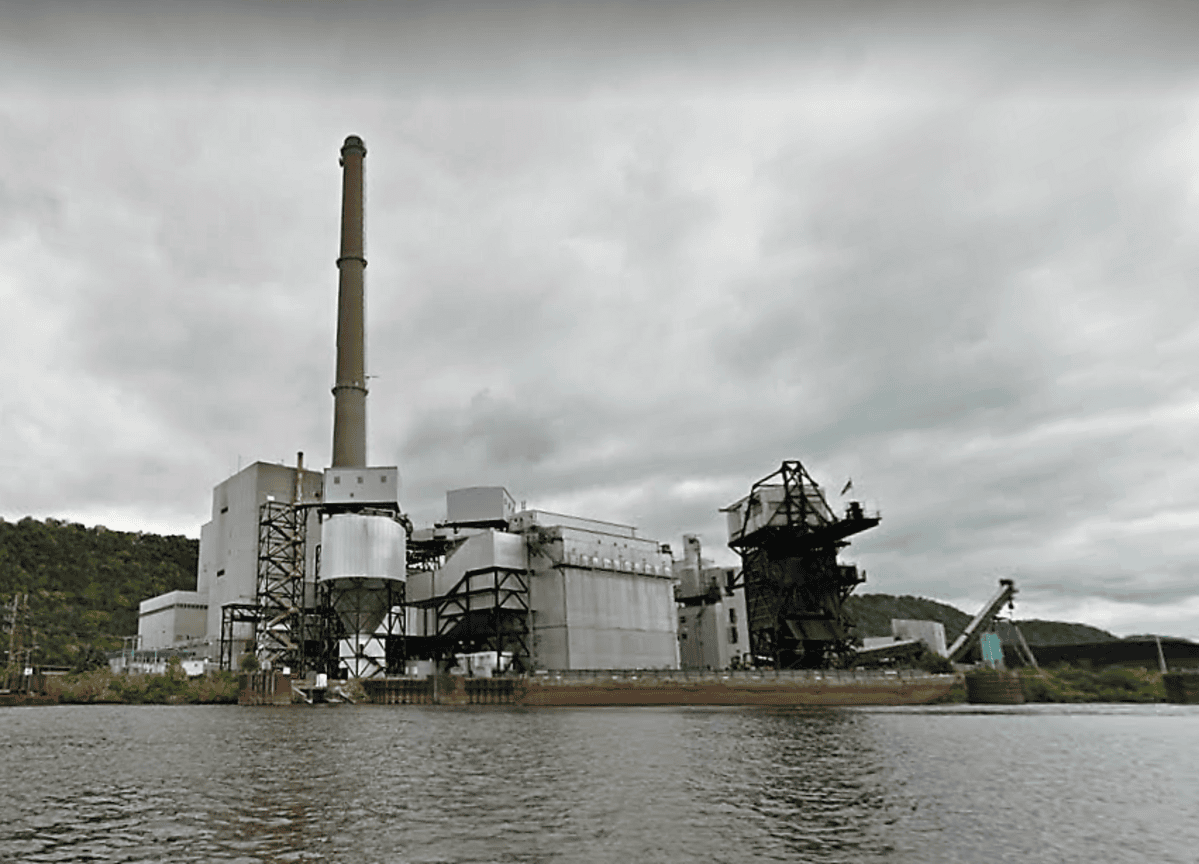
Wisconsin’s energy future could be taking shape along the Mississippi River, where a shuttered coal-fired power plant may soon be reborn as a nuclear energy facility.
Dairyland Power Cooperative is exploring the possibility of bringing nuclear power generation to the former Genoa power plant in Vernon County, partnering with nuclear technology developer Applied Atomics to study the feasibility of installing small modular nuclear reactors at the site.
The announcement comes as Wisconsin families and businesses continue to face rising electricity bills, raising questions about the state’s energy policies and whether nuclear power could offer a path toward more affordable, reliable energy.
A Familiar Site With a New Purpose
The Genoa site is no stranger to nuclear power. It previously housed a nuclear reactor before becoming home to a coal-fired power plant, which closed in 2021.
Under the new agreement, Dairyland and Applied Atomics will explore installing small modular reactors, a newer technology that allows nuclear facilities to generate electricity on a smaller scale than traditional nuclear power plants.
The site’s existing infrastructure and history of electricity generation could make it an attractive location for redevelopment, with the early 2030s identified as a potential timeframe.
While the project remains in its early stages, the possibility of bringing nuclear energy back to Genoa comes at an important time for Wisconsin.
Wisconsin’s Energy Costs Keep Climbing
For Wisconsin families, rising electricity costs are nothing new. But just how expensive has it gotten?
According to a 2026 report from Always On Energy Research, Wisconsin has experienced the second-fastest growth in electricity prices in the Midwest since 2001.
Over that period, electricity prices have more than doubled. Wisconsin, once among the most affordable states in the Midwest for electricity, now regularly ranks among the most expensive.
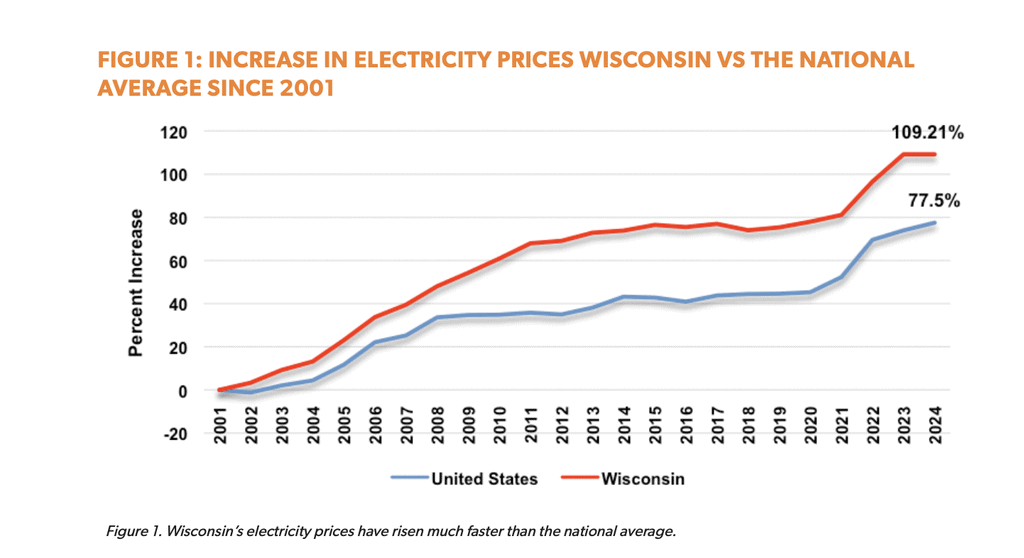
And while families are paying more to keep the lights on, Wisconsin utilities have been shutting down reliable coal-fired power plants, sometimes after spending hundreds of millions of dollars upgrading them.
Take We Energies’ former Pleasant Prairie coal plant, for example.
The utility closed the facility in 2018, just five years after investing approximately $600 million in environmental upgrades. According to the report, customers will continue paying for the shuttered plant until 2039.
Meanwhile, utilities are spending billions of dollars building new wind and solar facilities, battery storage systems, and natural gas plants to replace the electricity those retired plants once provided.
The result? Wisconsin families are paying for yesterday’s power plants while footing the bill for tomorrow’s replacements.
Critics of the state’s energy policies argue that the rush to replace dependable power generation with intermittent renewable energy sources has contributed to rising costs, leaving ratepayers to pick up the tab.
Could Nuclear Power Be the Answer?
Unlike wind and solar, nuclear facilities can produce electricity around the clock, providing the reliable baseload generation necessary to power homes, factories, and businesses regardless of weather conditions.
That reliability is especially important for Wisconsin, which remains a net importer of electricity.
According to the Badger Institute, Wisconsin imported approximately 10.9 million megawatt-hours of electricity in 2023, accounting for nearly 15% of the state’s electricity consumption.
Expanding nuclear power could help Wisconsin produce more of its own electricity, reduce its reliance on out-of-state generation, and meet growing demand from manufacturers, businesses, and emerging industries.
Of course, building new nuclear facilities isn’t cheap, and projects like Genoa would still face significant regulatory and financial hurdles.
But the opportunity to breathe new life into shuttered coal plants, taking advantage of existing infrastructure rather than letting it go to waste, presents an intriguing alternative to simply replacing reliable power generation with more wind and solar facilities.
For years, Wisconsin’s energy debate has focused heavily on replacing traditional baseload power generation with renewable alternatives. But as electricity costs continue climbing, the discussion is increasingly about how to preserve affordability and reliability while meeting future demand.
Dairyland’s proposal is far from a done deal. Still, it offers a glimpse of an alternative energy future—one that prioritizes dependable, around-the-clock power generation and explores how yesterday’s power plants could help meet tomorrow’s energy needs.
