


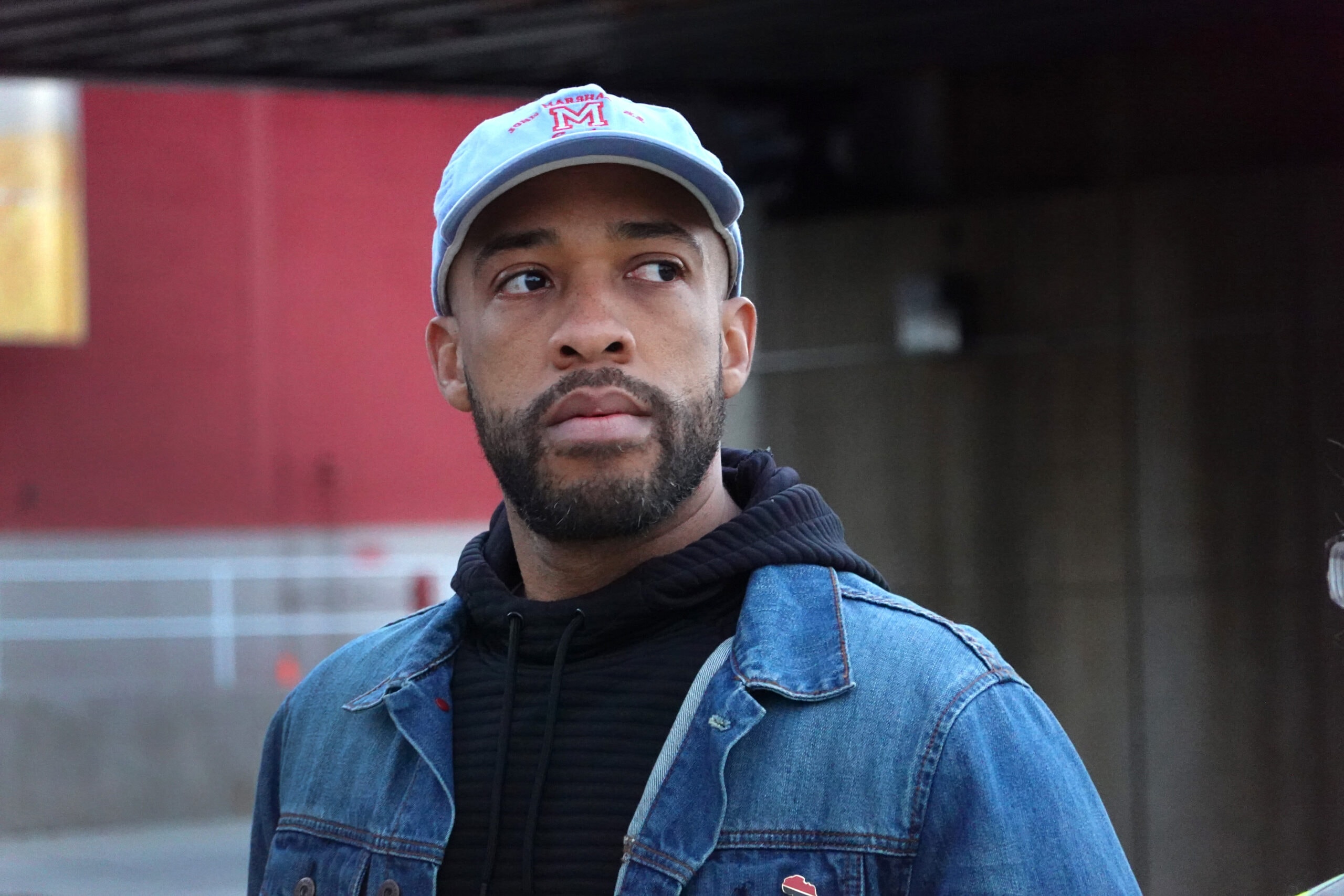
Wisconsin Democratic gubernatorial candidate Mandela Barnes is now accusing U.S. Rep. Tom Tiffany, R-Wis., of plotting to “kill the Green Bay Packers” by staying silent on potential changes to a 1961 federal law that helps equalize NFL broadcast revenue. Tiffany’s office dismissed the charge as hyperbolic political rhetoric from a candidate seeking an edge in a potential matchup with the congressman.
The 1961 Sports Broadcasting Act allows NFL teams to negotiate national television and streaming deals collectively, shielding them from certain antitrust challenges and ensuring equal revenue sharing among all 32 franchises. The community-owned Packers, in the league’s smallest media market of about 476,000 people, received $432.6 million of their $719.1 million total revenue in fiscal 2025 from those national sources.
In a March 26 letter to Wisconsin’s congressional delegation, Packers officials warned that any disruption to the current model “would pose an existential threat to the Green Bay Packers and their existence in Green Bay as we know it.” Director of public affairs Aaron Popkey called the law crucial to the team’s survival in a small market without a billionaire owner.
The House Judiciary Committee and its Subcommittee on the Administrative State, Regulatory Reform, and Antitrust have been reviewing the decades-old act amid shifts to streaming platforms, antitrust concerns, and fan complaints about blackouts and multiple subscriptions. No legislation to repeal the act has been introduced.
Barnes seized on the review, hitting every left-wing talking point in a statement to Heartland Signal: “Tom Tiffany is working on the very committee that could kill the Green Bay Packers — and he chooses to say nothing,” Barnes said. “He and his MAGA allies are working to gut the very law that keeps small market teams like the Packers in cities like Green Bay. Barnes also suggested Tiffany sides with “billionaire NFL donors who’d love nothing more than to move our team.”
Reality, as usual, refuses to cooperate with Barnes’ narrative. Tiffany isn’t even on the subcommittee running this review. His communications director, Caroline Briscoe, called Barnes’ attack uninformed. “I don’t think he has any idea what he is talking about,” Briscoe said. Tiffany is scheduled to meet with Packers officials this week, she added, and has not yet commented publicly because league commissioners have not briefed the full Judiciary Committee. “Tom’s goal is to keep the Packers in Green Bay and lower the cost for Wisconsinites trying to watch Packer games,” Briscoe said. He’s waiting for real information before making public statements, because unlike Barnes, he doesn’t need to resort to ridiculous scare tactics to bolster his lagging campaign.
Barnes’ rhetoric is pure distortion, a classic case of left-wing alarmism. The actual review is about updating an old law for a new media landscape. The review stems from legitimate concerns about how the 1961 law fits today’s fragmented media market. Republicans on the committee, including Subcommittee Chairman Wisconsin Rep. Scott Fitzgerald, have emphasized protecting fan access without mandating how private leagues and platforms negotiate contracts, not micromanaging how private businesses cut their deals.
Barnes is inflating a routine congressional inquiry into an existential crisis for political gain as he eyes the governor’s race. Tiffany is taking the deliberate, fact-based approach Packers fans expect: listening to the team, awaiting proper briefings, and prioritizing both the franchise’s stability and affordability for working families. There’s zero evidence that Tiffany or any Republican is out to gut revenue sharing or abandon small-market teams.
The Packers themselves continue to lobby lawmakers directly rather than resort to public attacks, focusing on assurances that any modernization will preserve their model.
The broader solution to high streaming costs lies not in more Washington mandates but in personal consumer choice and market competition. When fans drop unused services or demand bundles, platforms and leagues respond — as they already are testing combined offerings for 2026. Government interference in private broadcast deals, they contend, risks unintended consequences for teams like the Packers far more than a careful review of a law written before the internet existed.
