


As Americans celebrate Juneteenth this week, we commemorate one of the most important milestones in our nation’s history. On June 19, 1865—more than two years after President Abraham Lincoln issued the Emancipation Proclamation—Union troops arrived in Galveston, Texas, and announced that the last slaves in America were free. The day marked the effective end of slavery in the United States and has since become a national celebration of freedom.
While Juneteenth is often associated with events in the South, Wisconsin has its own remarkable place in the story of abolition, emancipation, and the preservation of the Union. In fact, few states can claim a stronger connection to the cause of freedom than Wisconsin.
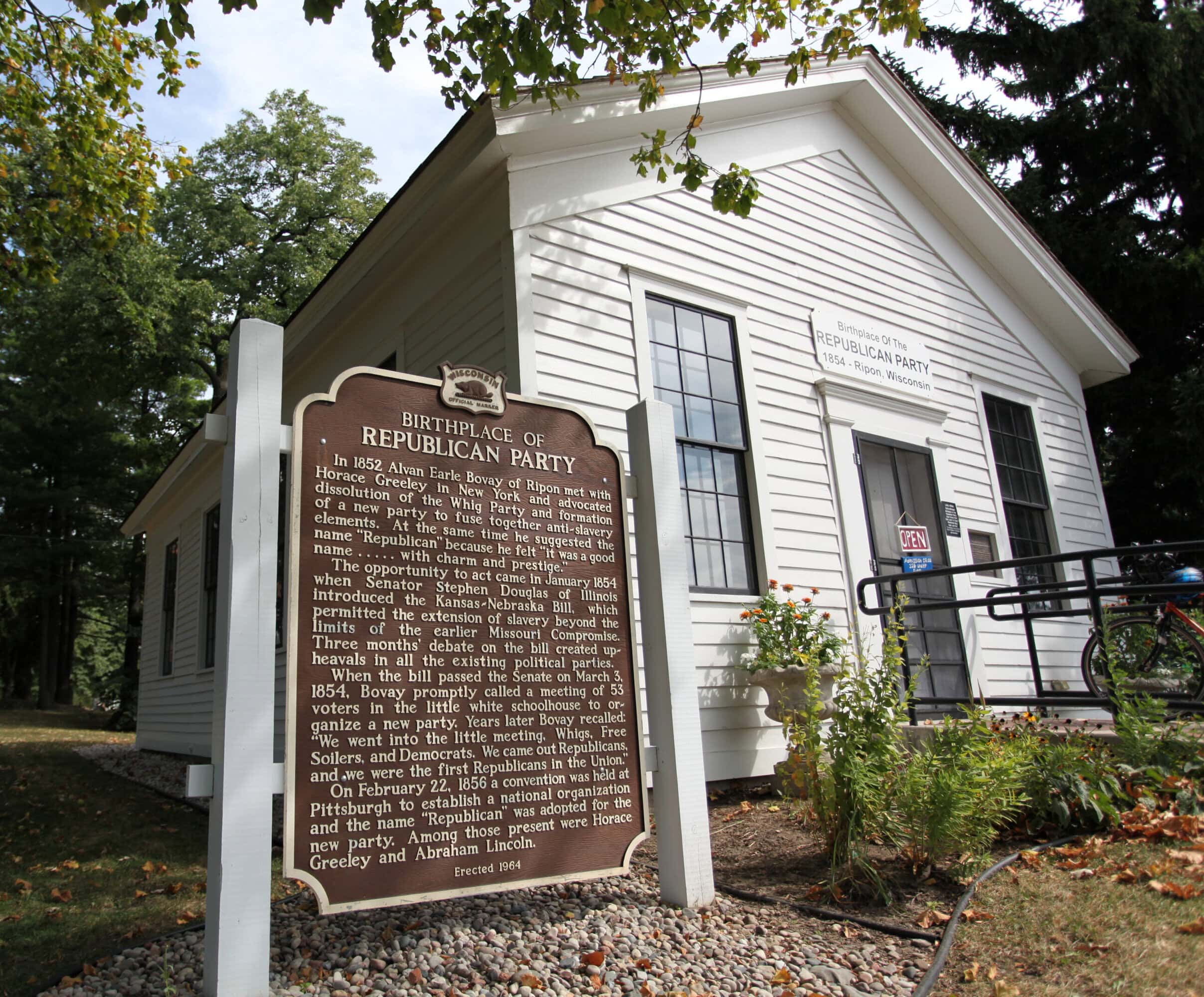
Wisconsin is, after all, the birthplace of the Republican Party.
In 1854, opponents of slavery gathered in the small town of Ripon to organize a new political movement dedicated to stopping the expansion of slavery into the western territories. What began in Wisconsin soon became a national movement. The Republican Party’s founding principle was simple and profound: freedom should not be limited by race, geography, or circumstance. It was a party born out of opposition to slavery and a belief that all men are created equal.
That same spirit would soon be tested.
Just months after the Republican Party was founded, an escaped slave named Joshua Glover was captured near Racine under the Fugitive Slave Act. Glover had fled slavery in Missouri and built a new life in Wisconsin, only to be arrested by federal authorities seeking to return him to bondage.
Wisconsin abolitionists refused to stand by.
Led in part by newspaper editor Sherman Booth, a crowd stormed the Milwaukee jail where Glover was being held and helped him escape. Glover ultimately reached freedom in Canada, while Booth became one of the nation’s most prominent anti-slavery activists. The legal battle that followed made national headlines and cemented Wisconsin’s reputation as one of the most fiercely anti-slavery states in the Union.
When the Civil War erupted in 1861, Wisconsin’s commitment to freedom did not end with words.
Though Wisconsin had only been a state for little more than a decade, it sent more than 90,000 men to fight for the Union. Thousands never returned home. Wisconsin soldiers fought in nearly every major theater of the war, helping preserve the nation and ultimately secure the freedom that Juneteenth commemorates.
Among the most famous units in the entire Union Army was the Iron Brigade, composed largely of Wisconsin regiments. The 2nd, 6th, and 7th Wisconsin Infantry earned a reputation for toughness and courage that became legendary. At battles like Antietam and Gettysburg, the Iron Brigade suffered staggering casualties while helping turn the tide of the war. Their distinctive black hats and battlefield heroics remain symbols of Wisconsin’s military heritage to this day.
One of those soldiers was Lucius Fairchild, who fought with the Iron Brigade and lost an arm at Gettysburg. Fairchild later served as Governor of Wisconsin and became one of the state’s most respected advocates for the Union cause and the principles for which it fought.
Another Wisconsin hero was Hans Christian Heg, a Norwegian immigrant who settled near Madison. Long before the war, Heg was an outspoken abolitionist and opponent of slavery. During the conflict, he commanded the 15th Wisconsin Infantry and was killed at the Battle of Chickamauga in 1863. His sacrifice stands as a reminder that Wisconsin’s fight for freedom was carried by citizens from every corner of the world who embraced the promise of America.
Even Wisconsin’s most famous Civil War mascot carried a message that endured long after the fighting ended. Old Abe, the bald eagle that accompanied the 8th Wisconsin Infantry into battle, became a national symbol of the Union cause. Today, his legacy lives on as one of Wisconsin’s most recognizable historical icons.
Juneteenth is a celebration of freedom. It is a reminder of how far America has come and of the sacrifices made to secure liberty for millions of people who had been denied it.
For Wisconsin, it is also an opportunity to remember our own place in that story.
From the founding of the Republican Party in Ripon, to the rescue of Joshua Glover, to the sacrifices of the Iron Brigade and thousands of Wisconsin soldiers who fought to preserve the Union, Wisconsin’s history is deeply intertwined with the cause of freedom.
That legacy belongs to every Wisconsinite. And it is a legacy worth remembering.
