


Wisconsin families may soon face higher electric bills in January. State regulators are expected to vote in November on rate increase proposals for We Energies and Wisconsin Public Service, and new rates would take effect Jan. 1.
We Energies says the typical residential bill would rise about $13 a month in 2027 and another $8 to $9 in 2028, more than 14 percent by the end of 2028. Wisconsin Public Service is seeking about $16 a month over two years, roughly 14 percent. If approved, We Energies customers would have had six rate increases since 2020 and would pay 43.4% more in 2028 than in 2020.
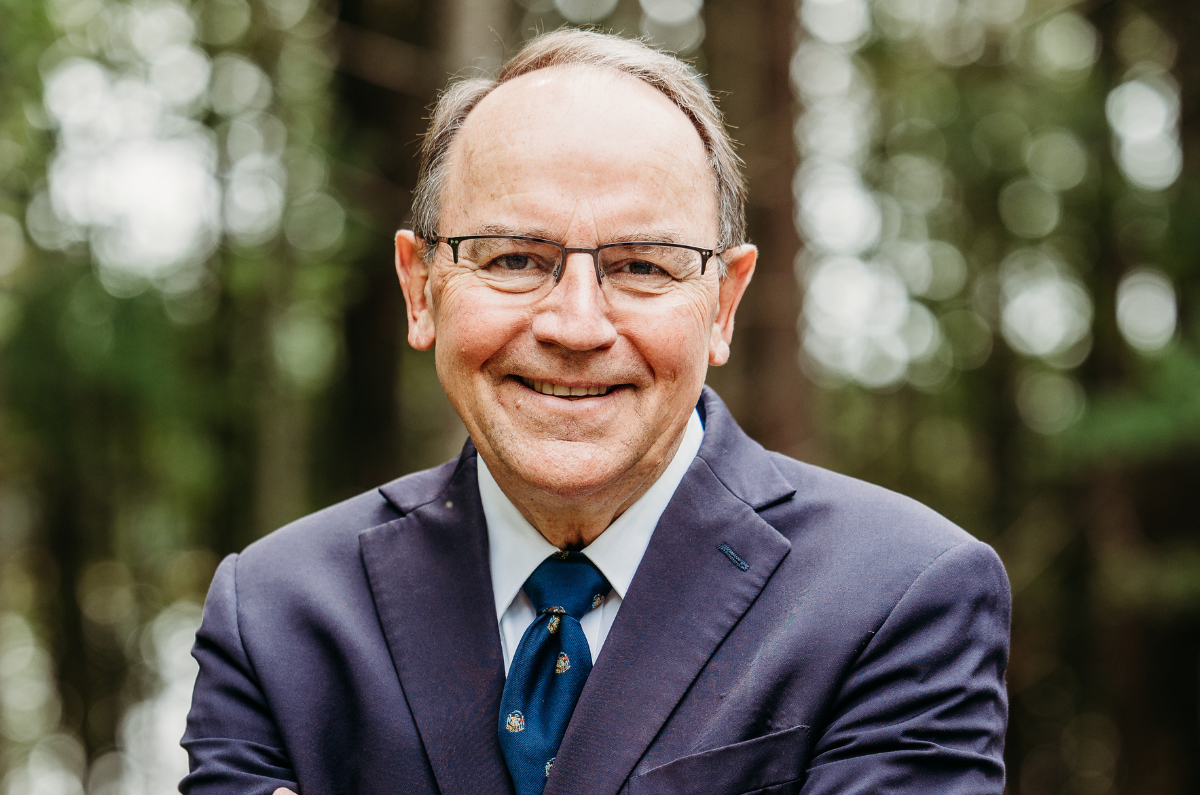
Republican nominee for Governor, Tom Tiffany, released his energy plan Sept. 29 that aims to address rising energy bills.
Tiffany’s plan has five parts:
Closed plants. Wisconsin ratepayers owe more than $1 billion on coal plants that have closed or soon will, plus a guaranteed return to the owner, Wisconsin Watch reported. The Citizens Utility Board estimates We Energies would collect more than $100 million in returns on retired assets over the next two years. Tiffany proposes to end closing dependable baseload plants early.
Profit. The commission has authorized major utilities to earn about 9.8 percent on equity, a guaranteed return built into rates. Tiffany would look to lower the return.
The revolving door. Rebecca Valcq joined Alliant Energy six months after leaving the commission in 2024. Tiffany would require a cooling-off period before commissioners can take jobs with a utility or transmission company.
Farmland. We Energies states much of its request pays for projects regulators already approved, including about $600 million in solar, wind, and battery storage. Tiffany proposes to protect productive farmland from industrial-scale wind, solar, data center, and transmission projects and favor existing corridors.
Nuclear. Tiffany would remove regulatory barriers to new nuclear, including small modular reactors.
Customers will pay the new rates beginning Jan. 1 no matter who wins on Nov. 3. What voters will decide is who appoints the people who oversee rate cases and the future of Wisconsin’s energy landscape.
Provision’s of Tiffany’s energy plan
• Stopping the closing coal-fired power plants and other sources of “baseload power.”
• Ensuring farmland is not converted into industrial-scale wind or solar projects.
• Embracing “new” nuclear
• Removing “regulatory barriers” to new nuclear development, including small modular reactors.
• Requiring PSC commissioners to have a “cooling-off period” after leaving office before accepting a job with an investor-owned utility or transmission company.
