


In early April, Gov. Tony Evers signed executive orders restoring Wisconsin’s commutation process after more than 25 years. The orders establish a new advisory board to review applications from incarcerated individuals, including convicted murderers, seeking shortened sentences based on claims of rehabilitation and demonstrated remorse.
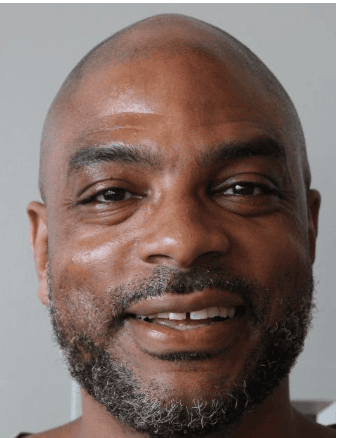
Among those now eligible and actively applying is Marshall Jones, who in 2004 pleaded guilty to two counts of first-degree intentional homicide following an armed robbery at a Racine tavern in which he killed two people. Jones, then 22, received two consecutive life sentences without the possibility of parole. Now, barely two decades into his sentence, he claims he is “a transformed man, and I am rehabilitated,” expressing remorse and asserting that incarceration has changed him.
Evers, who has already issued a record-breaking more than 2,000 pardons during his tenure, described the reinstatement of commutations as a step toward modernizing the justice system, reducing recidivism, and saving taxpayer funds. The process evaluates applicants based on accountability, prison conduct, victim impact, rehabilitation, and reentry plans. Notably, murder convictions do not automatically disqualify candidates, unlike certain sex offenses involving children.
The Commutation Advisory Board is expected to hold its first meeting in June. Some critics view the policy as a risky approach to criminal justice. Tom Tiffany’s gubernatorial campaign has pledged to immediately rescind the executive orders if elected, stating that Wisconsin “will not release violent criminals early” and will ensure victims and families receive the full measure of justice. Tiffany has described the early release of murderers and lifers after 20 years as “insanity.”
Some opponents argue that the policy reflects “suicidal empathy,” prioritizing redemption narratives for dangerous offenders over the lasting harm to victims and public safety. Society cannot work if we allow murderers and other violent offenders to walk free among us simply by convincing the governor they are sorry after serving a portion of their sentence. Life without parole for intentional homicide exists for a reason: some crimes demand permanent accountability, not second chances at the expense of public trust.
Law enforcement officials have expressed fury over the prospect of killers and other violent offenders seeking commutations under the new process. Victims’ advocates warn that heartfelt claims of transformation, while common in prison applications, do not undo the devastation caused to families or restore the lives taken. Rehabilitation efforts behind bars are commendable for institutional safety and personal accountability; they argue these efforts should not justify reduced sentences for the most heinous offenses.
While Evers presents the policy as compassionate reform, Republican candidates argue that justice and deterrence require individuals to serve their full court-imposed sentences, particularly in cases like Jones’s. With applications pending and the advisory board preparing to convene, the debate over whether Wisconsin will prioritize victims or second chances for convicted offenders is ongoing.
