


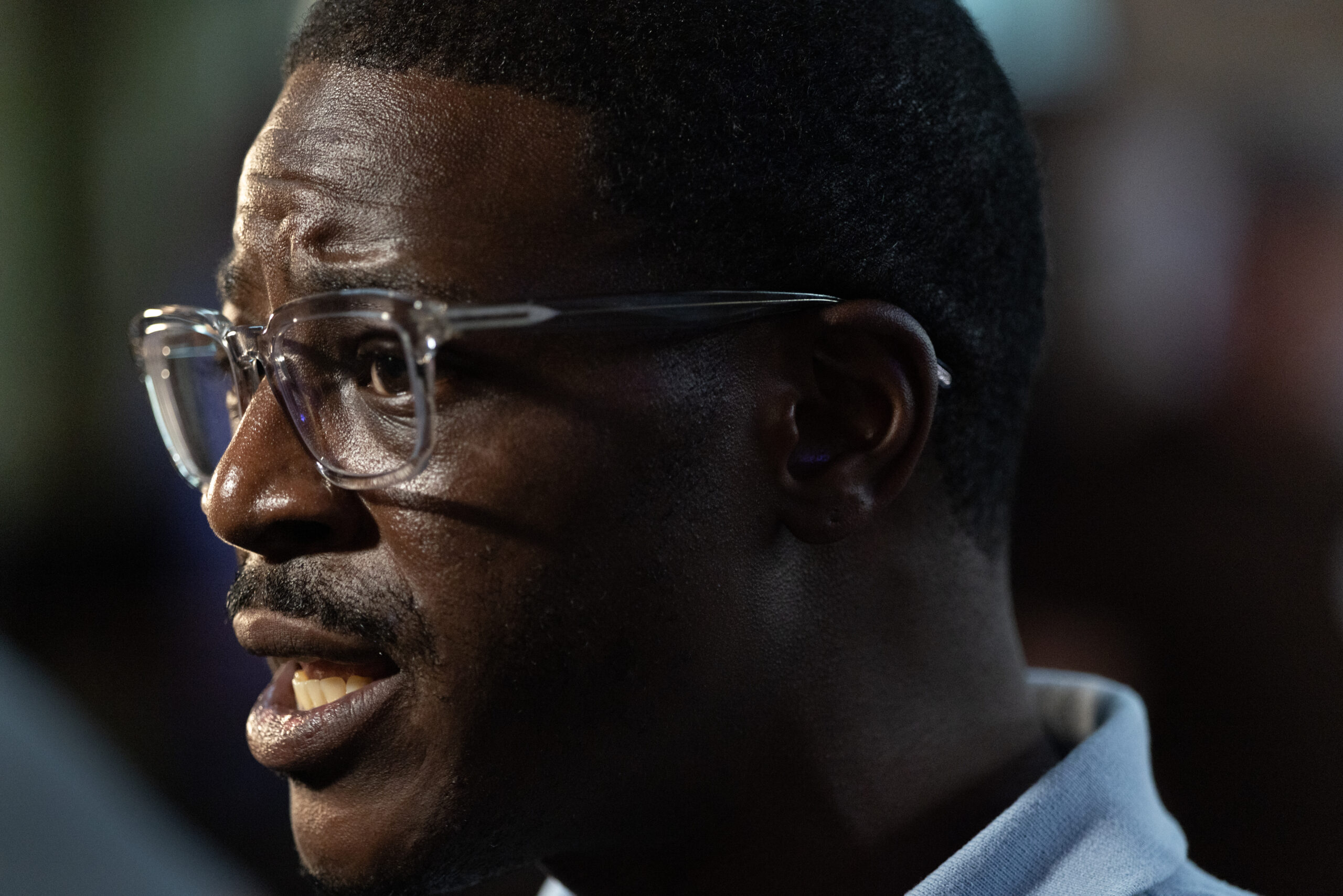
Milwaukee County Executive and Democratic gubernatorial candidate David Crowley is trying to sell his 2027 budget as a responsible and balanced fiscal plan. But once residents look beyond the talking points, they will find a budget filled with service cuts, program eliminations, funding reductions, and additional fees, even as Milwaukee County continues to struggle with long-term financial challenges.
Crowley has frequently touted his fiscal leadership and pointed to improvements in several county indicators. Yet his proposed 2027 budget tells a different story. To close the county’s budget gap, programs tied to public safety, substance abuse treatment, mental health services, and youth development are being targeted for reductions or eliminations.
The Department of Health and Human Services, the largest department in county government, is once again being asked to do more with less.
Among the proposed reductions is a $1 million cut to substance abuse services. Crowley and his administration have often highlighted declines in overdose deaths and progress in addressing addiction. If those efforts are working, reducing funding for treatment and recovery services raises serious questions about the county’s commitment to continuing that progress.
The budget also eliminates youth literacy programs and parenting skills programs. These programs are not luxuries. Strong literacy skills help children succeed in school and later in life, while parenting support programs help strengthen families and improve outcomes for children. Eliminating both programs risks creating larger social and educational challenges down the road.
Crowley is also proposing to end three mental health partnerships that were funded with reserve dollars in 2026. While county officials argue these cuts are necessary to help close the upcoming budget gap, the result is fewer resources available for residents struggling with mental health challenges.
Public safety programs are not immune from the budget axe either.
The proposed budget cuts funding for GPS monitoring within the youth justice system and reduces funding for the Credible Messengers program by $532,000. Crowley created the Credible Messengers initiative to provide mentorship, intervention, and support services for justice-involved youth.
If county leaders genuinely believe these programs reduce crime, lower recidivism, and provide positive alternatives for troubled youth, why are they among the first programs facing cuts when financial pressures emerge?
The Milwaukee County Sheriff’s Office also requested approximately $10 million in additional funding, including $8 million for overtime costs and $2 million for new positions. However, county budget officials say Crowley’s proposal does not provide that increase. Instead, the budget largely maintains current funding levels while accounting for inflationary cost increases.
That decision comes despite ongoing staffing challenges and increasing demands on law enforcement resources. The Milwaukee County Sheriff’s Office routinely reports being short dozens of patrol deputies and correctional officers across its daily operations.
Milwaukee County Transit System officials continue to wrestle with a projected $25 million fiscal cliff. While Crowley has touted that his budget avoids immediate transit cuts, he has not presented a long-term solution. Discussions have included reducing service frequencies from every 30 minutes to every hour on certain routes or potentially eliminating some service routes altogether.
For thousands of Milwaukee County residents who depend on public transportation to get to work, school, medical appointments, and essential services, those proposals are hardly reassuring.
And then there are the new fees. Crowley and county leaders are reportedly looking at expanding paid parking in parks and other high-traffic county locations. For many families, this may seem like another attempt to balance the budget on the backs of residents who already pay taxes to support county services. Families visiting the lakefront, enjoying county parks, or spending a day at the zoo should not be treated as a new revenue stream every time they park.
At a time when many households already face higher costs for groceries, housing, utilities, and transportation, additional parking fees send the wrong message. Instead of making county amenities more accessible, the county appears to be making them more expensive.
The budget has not been finalized yet. County supervisors will spend the next several weeks reviewing the proposal and considering amendments before a final vote is expected in November.
That timing is noteworthy. The final budget decision is scheduled to occur days after voters have already cast their ballots in Wisconsin’s gubernatorial election.
Crowley is asking Wisconsin voters to trust him with the state’s finances and priorities. Before they do, they may want to take a close look at the budget he is proposing in Milwaukee County.
Budgets reveal priorities. This budget reveals cuts to substance abuse services, youth and family programs, mental health partnerships, public safety initiatives, and sheriff funding requests while offering no permanent solution to the county’s looming transit challenges. It also asks residents to shoulder additional costs through new fees and parking charges.
The question Milwaukee County residents and Wisconsin voters should ask is simple: If David Crowley’s answer to Milwaukee County’s financial problems is cutting services, reducing public safety investments, eliminating programs, and charging families more, why should Wisconsin believe his approach will be any different as governor?
Budgets are more than numbers on a spreadsheet. They are a statement of values. This budget raises serious questions about whether the county’s priorities align with the needs of the people it serves.
