


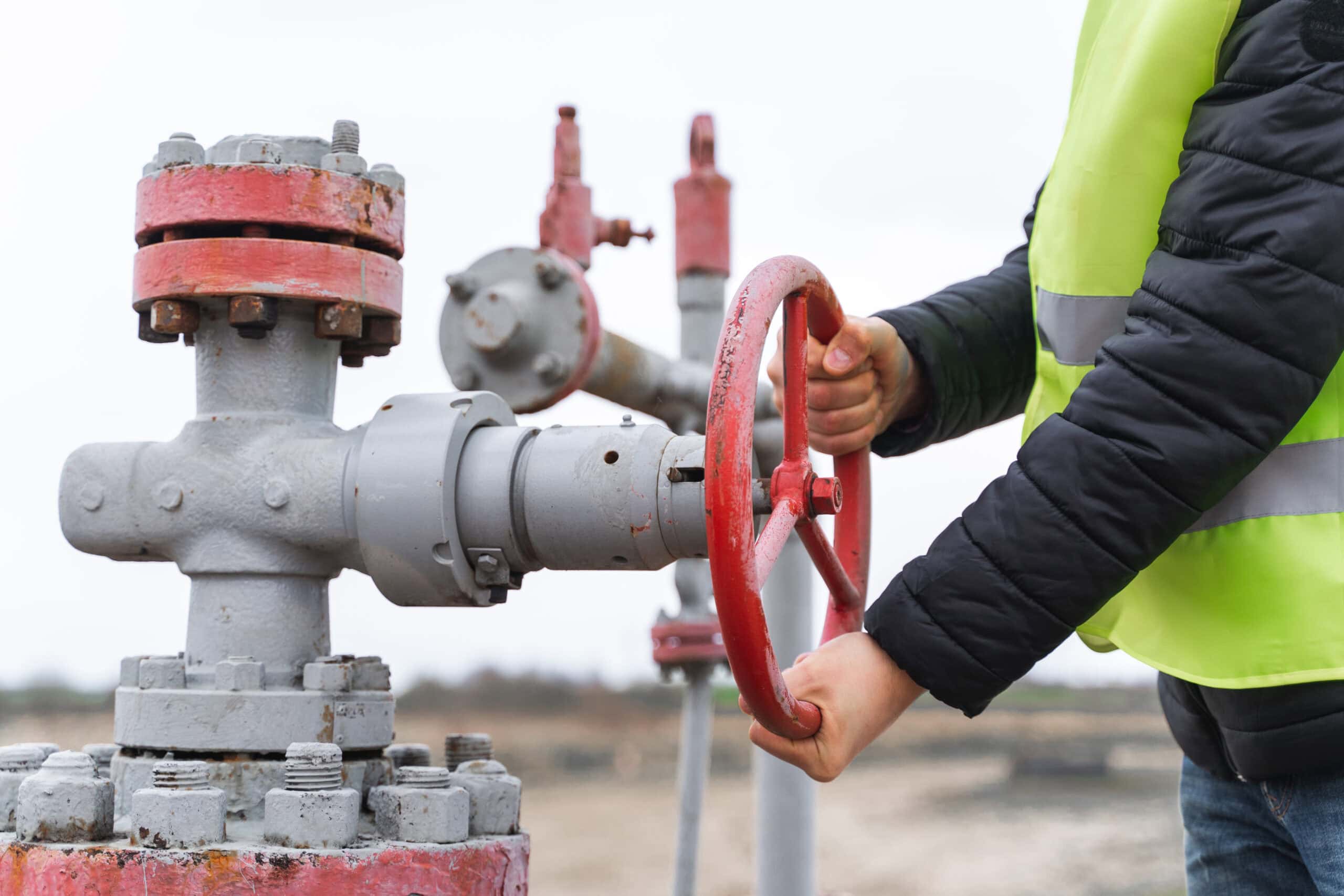
Canadian energy infrastructure company Enbridge put a crude oil and natural gas line (Line 5) back in service Monday through a temporary bypass in Iron County, Wisconsin.
Five days earlier, the DNR told the company to stop building it.
On Aug. 25, an unoccupied subcontractor flatbed rolled into an open excavation at a Line 5 valve site near Saxon in Iron County, struck the pipe, and released a large volume of natural gas liquids, mainly propane and butane. Estimates put the release around 1.3 million gallons. Officials have called it among the largest pipeline spills in Wisconsin in more than 50 years. No injuries were reported. The liquids vaporized. The line was shut down.
Enbridge began building a temporary bypass of about 1,500 feet around the damaged section so the interstate line could restart while crews kept working the spill site. Line 5 carries crude oil and natural gas liquids from Superior toward Sarnia, Ontario, and is a major supply line for the Upper Midwest.
On Sept. 9, DNR Secretary Karen Hyun sent Enbridge a letter and a notice of noncompliance. The agency said the bypass lacked required stormwater, wetland, and waterway authorizations and sat outside Enbridge’s existing construction-site permit. DNR staff who visited the site September 8 and 9 reported wetland matting, three bridges over an unnamed tributary to Spoon Creek, ground disturbance not covered by the existing permit, and erosion controls they called inadequate. Hyun wrote that Enbridge had shown “disregard for the environment, human health, and the statutory authority of the department.” She asked the company to halt bypass construction and focus on the spill. The department said it may consider enforcement.
DNR staff said they had told Enbridge more than once that written authorization was required before construction. Enbridge notified the agency in early September that it was considering a bypass, then said on Sept. 7 it was moving forward. A DNR official wrote that the company “has not received said authorization as of this writing.”
Enbridge finished the bypass anyway. It pressure-tested the line and, over the weekend of Sept. 12-14, returned Line 5 to service. The company said it worked with the federal Pipeline and Hazardous Materials Safety Administration and local officials, that monitoring has not shown impacts to wildlife, surface water, a nearby residential well, or monitoring wells, and that it “continue[s] to work with” DNR on permitting and site conditions. When WPR asked DNR on Sept. 14 about the restart and permit status, a spokesperson declined to add anything.
That is the collision.
Pipeline safety on an interstate line is a federal job. Wetlands, waterways, and construction-site stormwater are state jobs. Hyun’s letter treated the bypass as a test of whether DNR’s word stops work. Enbridge treated restarting service, with PHMSA in the mix, as the job that could not wait. A notice of noncompliance is not a court order. A secretary’s request is not an injunction. The pipe is in the ground. Product is moving.
This sits on a longer fight. Enbridge is building a 41-mile reroute around the Bad River Reservation after federal courts found the company trespassing on tribal land. DNR already issued wetland, waterway, and stormwater approvals for that project after a contested case. The tribe and environmental groups are still in court over those permits. A circuit court earlier this year paused work at some water crossings while that case proceeds. The Saxon bypass is a separate, emergency-style segment at a spill site. DNR says it is not covered by the reroute permits. That claim is now the live enforcement question.
For Madison, the political line is familiar: a Canadian energy company ignored the state. For anyone who watches how Wisconsin government actually works, the harder question is whether an appointed agency can, in letter, freeze interstate energy infrastructure after a third-party accident. At the same time, federal regulators oversee a return to service.
Gov. Tony Evers and Hyun have both said they want answers and accountability. Fair enough. A million-plus gallons of NGLs is not a paperwork dispute. Cleanup, air monitoring, and soil disposal still have to be done in public.
But if DNR’s wetland and waterway statutes mean what Hyun says they mean, the next move is enforcement with a record a court can review. If the state’s real power stops at a strongly worded letter once PHMSA and the operator decide the line is safe to run, Wisconsinites should know that too.
Line 5 is back up. The spill site is still being remediated. The permit file is still open. The argument now isn’t just about one trench in Iron County; it’s about whether Wisconsin’s environmental agencies govern construction, or whether they govern the press cycle after construction is finished.
