


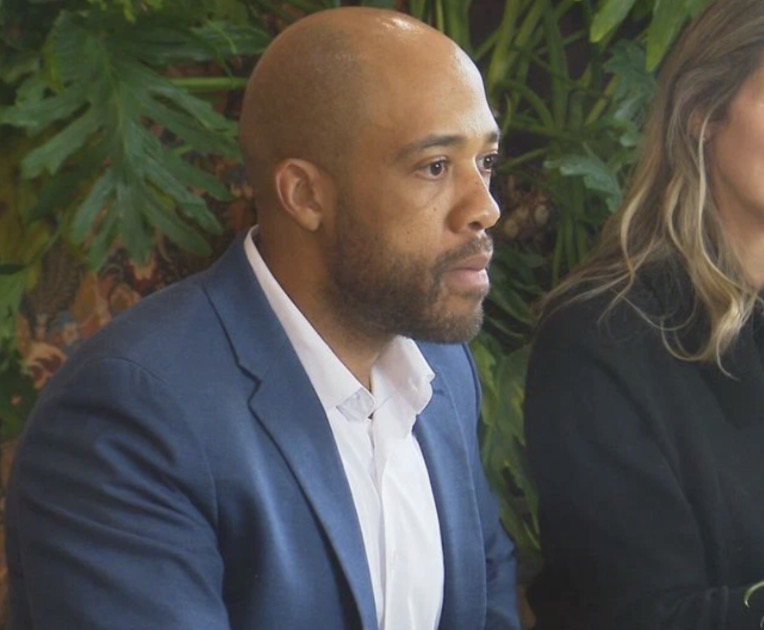
Even the liberal journos at the Milwaukee Journal Sentinel say Barnes’ plan is illegal.
Democratic gubernatorial candidate Mandela Barnes pledged to freeze Wisconsin utility rates was dismantled by legal experts just a few days after its unveiling, according to a Milwaukee Journal Sentinel analysis published March 13, 2026. Barnes vowed to appoint only Public Service Commission members who would automatically reject all rate increases, prohibit utilities from spending ratepayer funds for lobbying, cap executive compensation, and shift legacy coal-plant costs away from families. He characterized utilities as profiteers “rigging the system,” citing a 31% increase in typical We Energies bills since 2022 and significant winter cost spikes for southeastern Wisconsin households due to cold weather, natural gas prices, and grid upgrades.
University of Wisconsin professors Rodney Stevenson and Manny Teodoro wasted no time calling the scheme unworkable and “a terrible idea.” Stevenson stated that while a governor could seek blanket commitments from appointees, “candidates who make such a promise should not be appointed.” Teodoro warned that forcing the PSC — a quasi-judicial body mandated to set “just and reasonable” rates for safe, reliable service, to impose predetermined freezes could lead to legal challenges, biased claims, and eventual blackouts.
Marquette law professor Dave Strifling cited a 2019 PSC precedent opposing such pre-commitments. Even Citizens Utility Board director Tom Content supported only targeted reforms, such as lobbying restrictions, while questioning how “independent” commissioners could remain if they had to pledge outcomes in advance.
As Lt. Governor, Mandela Barnes supported $2.2 billion in utility rate increases out of a requested $3.1 billion, compared to $300.1 million approved under Scott Walker’s appointees during the 2012–2017 period (out of $1.2 billion requested, or 25%). His energy policy agenda would send utility bills through the roof. Wisconsin’s electricity costs continue to exceed those of most Midwestern counterparts. Mandela’s pivot to utility rates shows there is a narrative to be had, and won, on the exploding rates. Obviously, Mandela used this shtick as a fig leaf to cover himself for the election while appearing to be concerned about utility rates. Unfortunately for Mandela, his Governor’s PSC commission has approved numerous rate increases in Wisconsin.
The broader contradiction is glaring. Barnes, as Wisconsin’s climate czar, simultaneously pushes aggressive clean-energy mandates, including accelerated renewables, battery storage, and green tax credits—the very policies that have already driven billions in recent cost shifts onto ratepayers. Critics note these “green” buildouts require massive upfront capital that utilities recover through the same rate cases that Barnes previously supported and now opposes.
This could be a great issue to run on, but look out for Democrats to use data centers as a scapegoat for everything, despite legitimate concerns. Barnes’ team already hinted at pausing data-center projects to deflect blame from their own mandates. Wisconsin voters shouldn’t buy the poorly constructed proposal. A candidate who helped approve $2.2 billion in hikes while pushing policies guaranteed to inflate future bills cannot credibly pose as a ratepayer champion. The PSC’s legal guardrails, combined with Barnes’ record and green-energy wishlist, expose the promise as pure election-year theater — leaving families facing the same soaring costs with no real relief in sight.
