


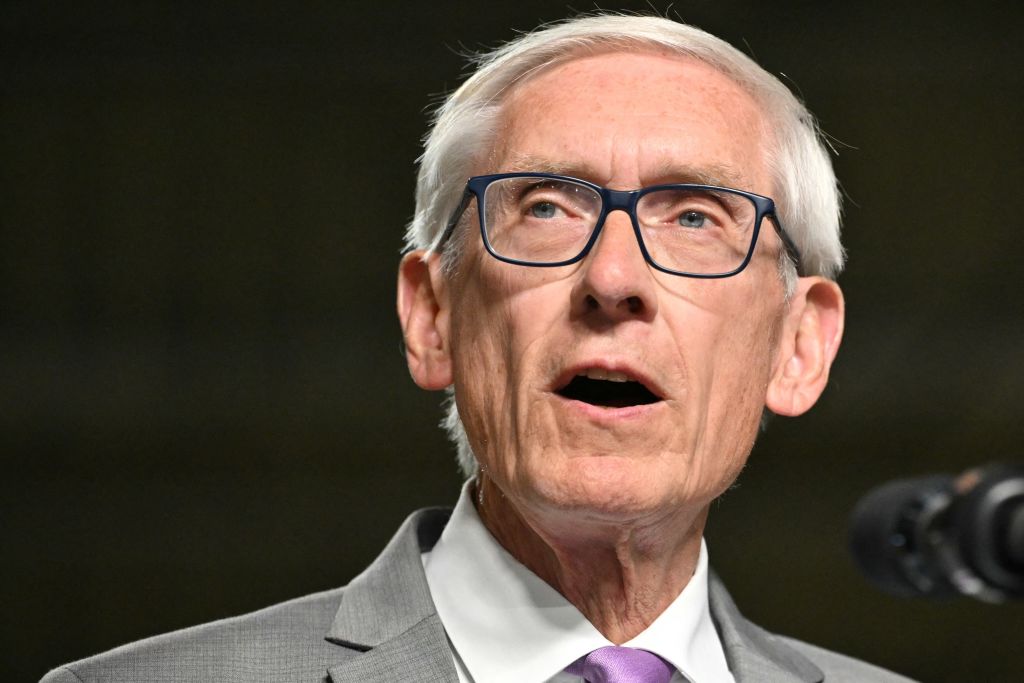
On Monday, Gov. Tony Evers endorsed the growing Wisconsin revolt against Flock Safety’s automated license plate readers. He told reporters it is “good that people are getting out of it” and said cities and counties that are dropping or limiting the cameras are doing “the right thing.”
WISN 12’s Matt Smith posted these comments on X, which show Evers’ strongest public support so far for communities ending their relationship with the Atlanta-based company. Evers said, “I think what they’re doing is the right thing, either using the process differently or getting rid of it.”
Evers had been more cautious for months. In early September, he told reporters he was unsure if a statewide ban was the solution, but said “we have to have an answer,” and mentioned talking with Minnesota Gov. Tim Walz about the issue. He also said statewide rules “maybe at the end result, yes.” On Monday, he went further by praising local governments for stepping away.
Flock cameras photograph passing vehicles, read license plates, and log make, model, color, and other identifiers. The images feed a searchable network used by hundreds of agencies. Police say the system has helped recover stolen cars, find missing people, and investigate serious crimes. Critics argue that tracking drivers without warrants could violate the Fourth Amendment, and they worry about how camera owners collect and sell data. Misuse in places like Milwaukee and Menasha, such as officers searching for ex-partners’ plates, has fueled the backlash.
Over the last two weeks, more than a dozen Wisconsin communities have covered up cameras, paused contracts, or voted to terminate them. These include Racine County, Fond du Lac County, Winnebago County agencies, Sheboygan, Stevens Point, De Pere, Kenosha (which is switching to another vendor), and earlier departures in Dane County, Appleton, Oshkosh, Verona, Fitchburg, Sturgeon Bay, Kaukauna, and others.
Racine County Sheriff Christopher Schmaling ordered the cameras down after learning Flock marketed a separate “Traffic Analytics” product using camera data. Schmaling said, “That is not what we agreed to, and it is not what the public was led to believe.” Sheboygan’s council voted unanimously to end its contract after officials said the company tried to sell the city back years of its own traffic data. On Monday, De Pere’s police chief said officers are now locked out, and cameras will be covered by the end of the week because of unauthorized data disclosure.
Milwaukee chose not to cancel its contract. Mayor Cavalier Johnson limited access to supervisors, allowed searches only for serious Part I crimes, and stopped sharing city data outside the police department. Milwaukee County Executive David Crowley, the Democratic nominee for governor, told county departments to limit Flock use on county property and later said he does not plan to renew the contract when it ends in 2026. Republican candidate Tom Tiffany has called for a pause on state Flock funding and wants a privacy task force on his first day.
Evers’ new position comes as the state has helped expand the camera network. According to open-records research by WILL attorney Dan Lennington, the Evers administration approved 766 Flock cameras on state highways and interstates, plus more than 1,000 local cameras. Oshkosh’s first Flock cameras were paid for with a state grant from Evers’ COVID relief funds. Last year, Flock spent $102,000 lobbying in Wisconsin for bills that would have funded more plate-reader cameras, but those bills did not pass.
At its peak, more than 200 Wisconsin law enforcement agencies used the Flock network. Flock has since reduced its default data retention from 30 days to seven and promised better audit tools after national scrutiny, including a U.S. Senate inquiry. Wisconsin agencies that left Flock say the main trust issue is the commercial data layer and out-of-state searches, not just how long it keeps data.
The political divide is not simply left versus right. Conservative sheriffs in Racine and Fond du Lac, liberal Dane County supervisors, and suburban councils have all acted against the same vendor. Evers is now publicly supporting this side. He has not announced a statewide ban, a funding freeze for highway cameras, or any legislation with a timeline. Local governments are already taking action.
