


Republican candidate for Secretary of State and farmer, Nate Pollnow, and other GOP leaders slam the Governor for Veto
Gov. Tony Evers has vetoed Senate Bill 622, rejecting a Republican-backed effort to block steep fee increases proposed by state agriculture regulators and setting up a broader debate over who controls rulemaking in Wisconsin.
The legislation, authored by Sen. Romaine Quinn (R-Birchwood) and Rep. Travis Tranel (R-Cuba City), would have removed the Wisconsin Department of Agriculture, Trade, and Consumer Protection (DATCP) ‘s authority to set or raise certain fees through administrative rules. Instead, it would have placed those fees directly into state statute and required any future increases to be approved by the Legislature.
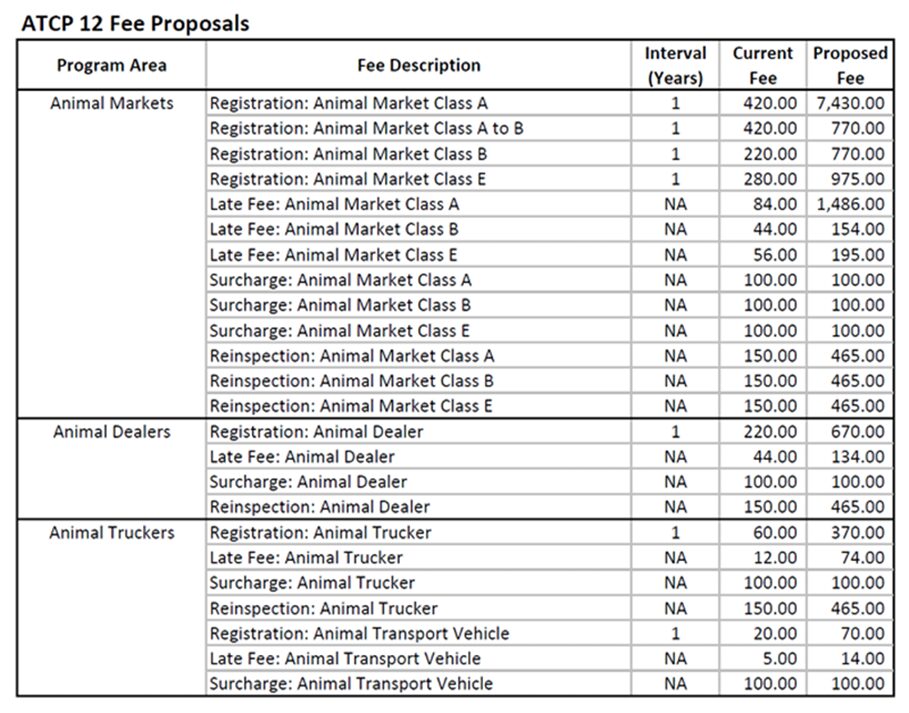
Supporters of the bill argued it was necessary in response to proposed DATCP fee increases pushed by regulators within the Evers-Rodriguez administration that, in some cases, would raise costs for livestock-related licenses by as much as 1,700 percent. Those increases would affect animal markets, dealers, truckers, and transport vehicles—costs that industry groups warn would not stay contained in Madison but would be passed down to farmers and ultimately to Wisconsin families at the grocery store through higher meat prices.
Republican candidate for Secretary of State and farmer, Nate Pollnow, slammed the Governor for his Good Friday veto, saying that the fee increases will both hurt Wisconsin farmers as well as consumers:

Under current law, DATCP sets those fees through the administrative rulemaking process. Senate Bill 622 sought to change that by codifying existing fee levels and prohibiting the agency from increasing or creating new fees without legislative approval.
In his veto message, Evers said he objected to what he described as continued legislative efforts to “encroach on the administrative rulemaking authority of the executive branch.” He pointed to recent Wisconsin Supreme Court decisions that, in his view, restored a proper balance of power between the branches of government.
The governor also argued that the existing rulemaking process provides adequate public input and accountability, and said the bill failed to establish a sustainable funding model for DATCP programs. Evers noted that fee increases may still be necessary and directed the department to request additional general purpose revenue in the next state budget cycle.
The veto comes in the wake of Evers v. Marklein, a Wisconsin Supreme Court decision that significantly altered the Legislature’s role in administrative rulemaking. For decades, lawmakers had the ability to pause or block proposed rules through oversight committees such as JCRAR. The court’s ruling curtailed those powers, limiting the Legislature’s ability to intervene in agency rulemaking.
Republican lawmakers have argued that the decision has empowered unelected bureaucrats in Madison to advance policies with the force of law—including major cost increases—without meaningful legislative oversight. In that context, they framed Senate Bill 622 as an effort to reassert legislative authority by placing fee structures directly into statute rather than leaving them to administrative rule.
With the veto, DATCP retains its authority to set and adjust fees through rulemaking, including the proposed increases that prompted the legislation. As those rules move forward, the debate is likely to continue over the role of administrative agencies, the limits of legislative oversight, and the real-world impact of regulatory costs on Wisconsin farmers and families.
