


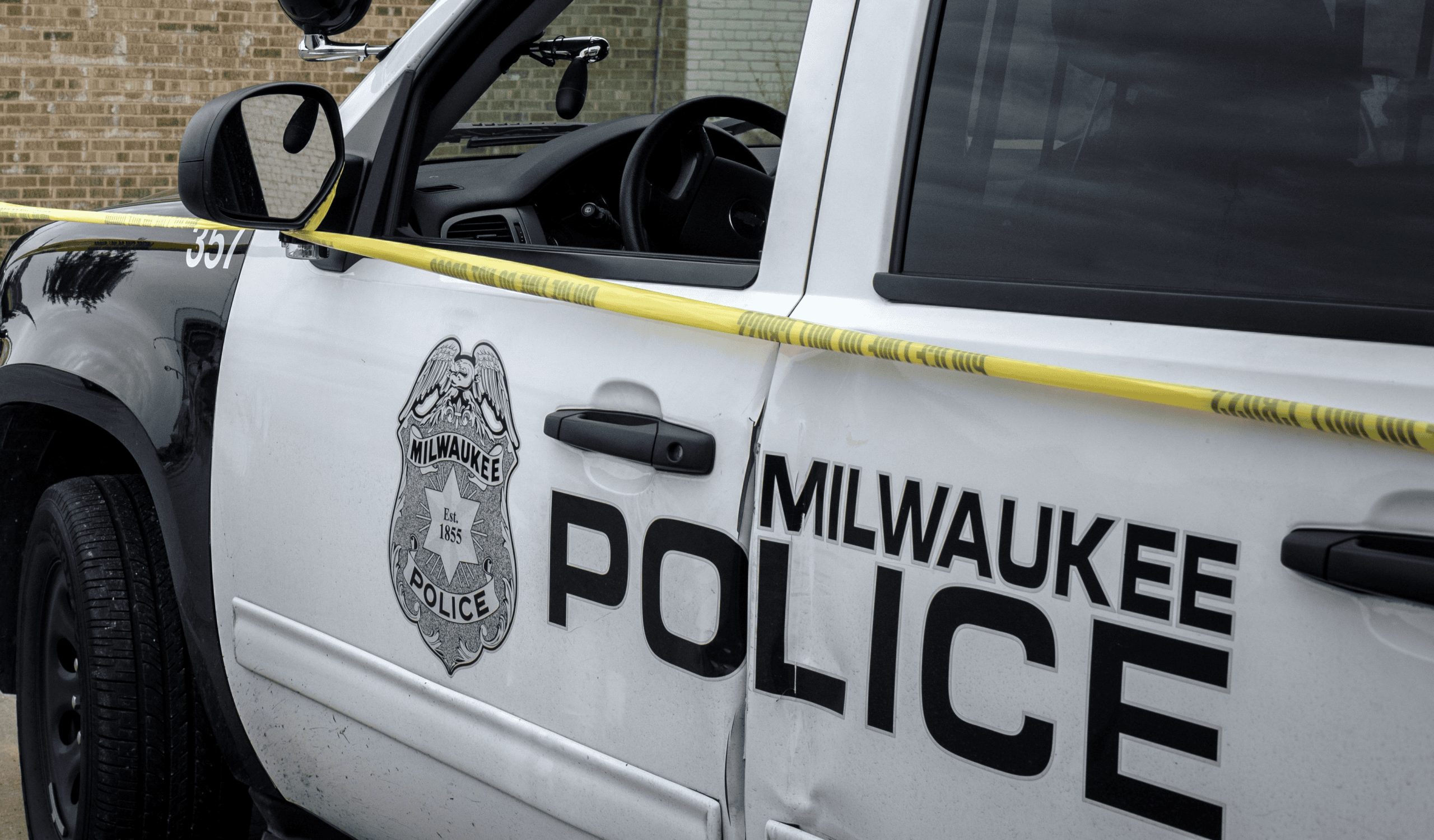
Milwaukee’s debate over police pursuits isn’t just a policy disagreement; it’s a clash between two urgent public safety fears. One fear comes from residents watching reckless drivers tear through neighborhoods. The other comes from families who’ve lost loved ones in police chases meant to stop reckless drivers.
Last week, the Milwaukee Common Council voted 9–6 against reopening the debate, effectively freezing the city’s pursuit policy where it stands. But some residents demand action now.
The Milwaukee Police Department (MPD) updated its pursuit policy in February 2026. The biggest change is that speed alone is no longer enough to justify a chase. Officers must witness additional dangerous behavior, such as hitting another car or object, forcing other drivers to swerve or brake hard, or blowing through stoplights or stop signs.
The updated policy also requires officers to consider availability of backup, presence of minors, and risk to the public. This policy tries to strike a middle ground to allow chases for reckless driving, but only when the danger is clearly escalating.
Milwaukee’s 2025 pursuit data shows why this debate is so heated because MPD reported 970 pursuits in 2025, with 316 crashes, 156 injuries, and six crashes that killed nine people. Of those nine fatalities more than half of them were innocent bystanders.
MPD recorded 1,047 reckless driving-related arrests in 2025. Overall, 57 traffic fatalities were reported for the city over the course of 2025. This number includes the nine reckless driving fatalities.
Residents see both sides of the debate. Streets feel lawless, pedestrians and drivers feel unsafe, and traffic‑calming tools aren’t working.
The Heartland Post reported that MPD is short 200 officers, many of whom are stretched thin responding to shootings, domestic violence, and other emergencies.
This shortage affects everything including traffic enforcement. Residents feel the absence. They see fewer patrols. They see reckless drivers taking advantage of the situation.
In July, a proposal to further restrict chases, limiting them mostly to violent felonies, was introduced by the Fire and Police Commission (FPC) but failed at the Common Council.
The FPC argued that tighter rules are vital to protect innocent bystanders after the 2025 fatalities report. The entire FPC voted to recommend that the MPD should ban chases when an officer attempts to pull a driver over for a minor driving offense for which the motorist flees. They estimate the changes would cut annual pursuits by about 15%.
Police Chief Jeffrey Norman rejected the recommendations, saying, “The department has undergone numerous revisions, takes all feedback seriously, and the department regularly evaluates the pursuit policy.”
The Common Council’s vote stopped the debate from being revived, keeping MPD’s February 2026 policy in place.
Those who want stricter chase limits say innocent people are dying, chases escalate danger, and reckless drivers fleeing minor stops shouldn’t trigger high‑speed pursuits.
Those who want more aggressive enforcement say the streets feel out of control, reckless driving is terrorizing neighborhoods and non‑pursuit policies embolden dangerous drivers.
Milwaukee must decide should police chase reckless drivers fleeing traffic stops, or should chases be reserved only for violent felonies to protect bystanders.
Right now, the city is choosing to not choose. The issue resurfaces after every major crash, every fatality, every neighborhood tragedy, and with teen takeovers. And as reckless driving continues, so will citizen frustration.
This debate isn’t over. It’s just parked in neutral.
