


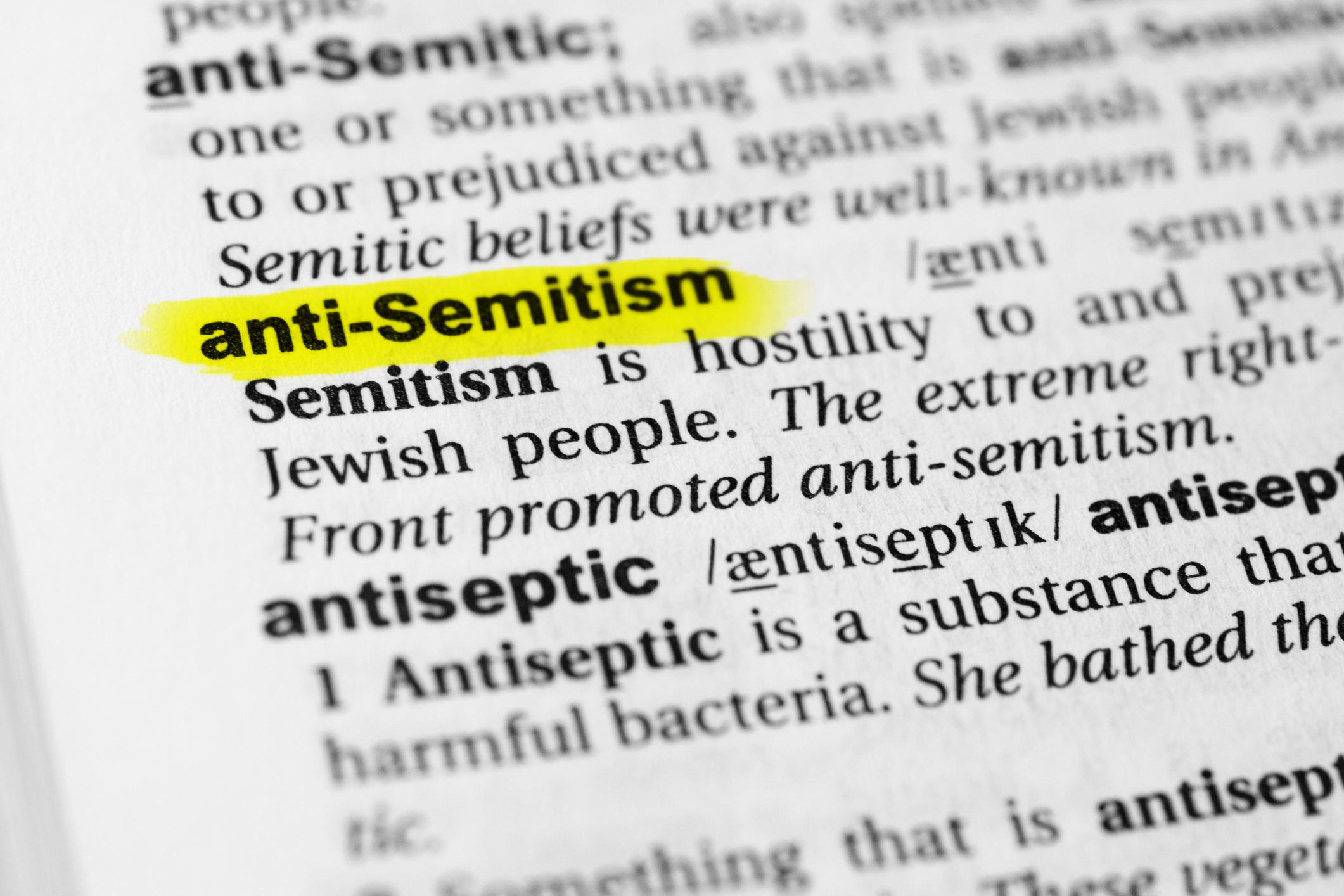
Wisconsin Democrats are increasingly divided over a bill adopting the International Holocaust Remembrance Alliance definition of antisemitism. Opposition stems from the party’s expanding pro-Palestinian voting blocs, which have shaped its recent priorities.
Assembly Bill 446 passed the Republican-controlled Assembly on February 17 by a 66-33 vote, splitting the Democratic caucus. Several Democrats joined Republicans, including Lisa Subek, who is Jewish, and Deb Andraca, who represents Milwaukee’s North Shore communities, which have a significant Jewish population. The Senate approved the bill on March 17 in a voice vote without debate, sending it to Governor Tony Evers. The bill requires state agencies, local governments, schools, and universities to consider the IHRA’s 2016 working definition—which describes antisemitism as “a certain perception of Jews, which may be expressed as hatred toward Jews” and includes 11 contemporary examples linking certain criticisms of Israel to antisemitic tropes—when investigating discrimination or applying hate-crime enhancements.
Supporters, including the Milwaukee Jewish Federation and the Combat Antisemitism Movement, state that the bill provides an important, non-criminalizing tool to address rising antisemitism. Wisconsin has reported over 710 antisemitic incidents since 2015, a 500% increase, with notable spikes after the October 7, 2023, Hamas attacks, according to the Wisconsin Jewish Chronicle. At an October 22, 2025, legislative hearing, testimony highlighted campus harassment, vandalism, and threats. Jewish students described chants such as “From the river to the sea” and reported hostile academic environments. Thirty-seven other states have adopted the IHRA framework, often with bipartisan support since the Obama administration.
Yet resistance within Democratic ranks has intensified, led by coalitions including the Wisconsin Muslim Civic Alliance, Jewish Voice for Peace chapters, the Wisconsin Coalition for Justice in Palestine (representing more than 90 groups), and progressive organizations including Citizen Action of Wisconsin and Voces de la Frontera. On March 18, over 40 groups sent an open letter urging Governor Evers to veto the bill, arguing that the definition equates legitimate criticism of Israeli policy with bigotry and chills First Amendment rights. In a March 20 Milwaukee Courier op-ed, Dr. LaKeshia N. Myers warned the bill “creates a dangerous legal framework that could be used to chill campus protests, defund community organizations, and punish educators” as she attempted to deliberately separate criticism of the Israeli government from antisemitism.
Testimony at the hearing underscored divisions. Democratic Jewish Caucus co-chairs Dustin Klein and Ann Jacobs supported the bill, citing bipartisan precedent and the need to combat hate without restricting speech. In contrast, Socialist lawmakers such as Reps. Ryan Clancy and Francesca Hong opposed the bill, arguing that the IHRA definition is too broad and targets pro-Palestinian advocacy. Muslim and Arab-American voices, along with groups like the ACLU of Wisconsin, led opposition filings, asserting that the bill shields Israel from criticism rather than protecting Jewish communities. This reflects a broader trend of pro-Palestinian blocs pressuring Democrats to prioritize the protection of Israel criticism over adopting clear antisemitism standards.
This dynamic echoes the 2024 presidential race, when Kamala Harris declined to select Pennsylvania Governor Josh Shapiro, a Jewish pro-Israel Democrat, as her running mate due to the “Michigan problem.” Michigan’s large Muslim and anti-Israel voting blocs, concentrated in Dearborn and other areas, warned against Shapiro’s selection because of his stance on Israel. As a result, Harris chose Tim Walz to avoid alienating a key demographic that has become more influential in Democratic primaries and turnout efforts.
Social media has intensified divisions in Wisconsin. Pro-Israel accounts, such as StandWithUs Midwest, described the bipartisan passage as a “decisive step” against rising hate. In contrast, progressive and pro-Palestinian pages, including those aligned with the Muslim Civic Alliance and Jewish Voice for Peace, urged followers to pressure Governor Evers for a veto, calling the bill “anti-dissent” and a threat to Palestinian advocacy. Conservative commentators note that as Arab-American and progressive pro-Palestinian voters gain influence in Democratic strongholds like Milwaukee and Madison, party members may be less likely to support measures that could label anti-Zionist rhetoric as antisemitic.
Supporters argue that the bill explicitly preserves First Amendment protections and simply aids existing enforcement, as seen in the 37 states that have adopted similar measures without widespread speech crackdowns. Jewish leaders, including former Milwaukee Jewish Federation CEO Hannah Rosenthal and campus witnesses, emphasized that the measure addresses real violence, such as bomb threats, synagogue incidents, and a 192% statewide spike in 2024, without criminalizing policy debate.
Outgoing Democratic Governor Evers now faces a decision. A veto would align him with Muslim, Arab, progressive, and some Jewish peace groups whose influence has grown. Signing the bill would align him with Jewish community leaders and bipartisan sponsors who argue that clear standards are essential amid rising incidents.
This division highlights a broader shift within the Democratic Party. Pro-Palestinian voting blocs, once marginal, now significantly influence debates on antisemitism definitions, even as Jewish organizations report unprecedented levels of hate. Regardless of Governor Evers’ decision, this episode shows how demographic changes and activist pressure are reshaping party priorities and challenging Democrats to balance emerging minority voices with established commitments to combating bigotry. Wisconsin’s Jewish community, facing a sharp increase in incidents, is watching the outcome closely.
