


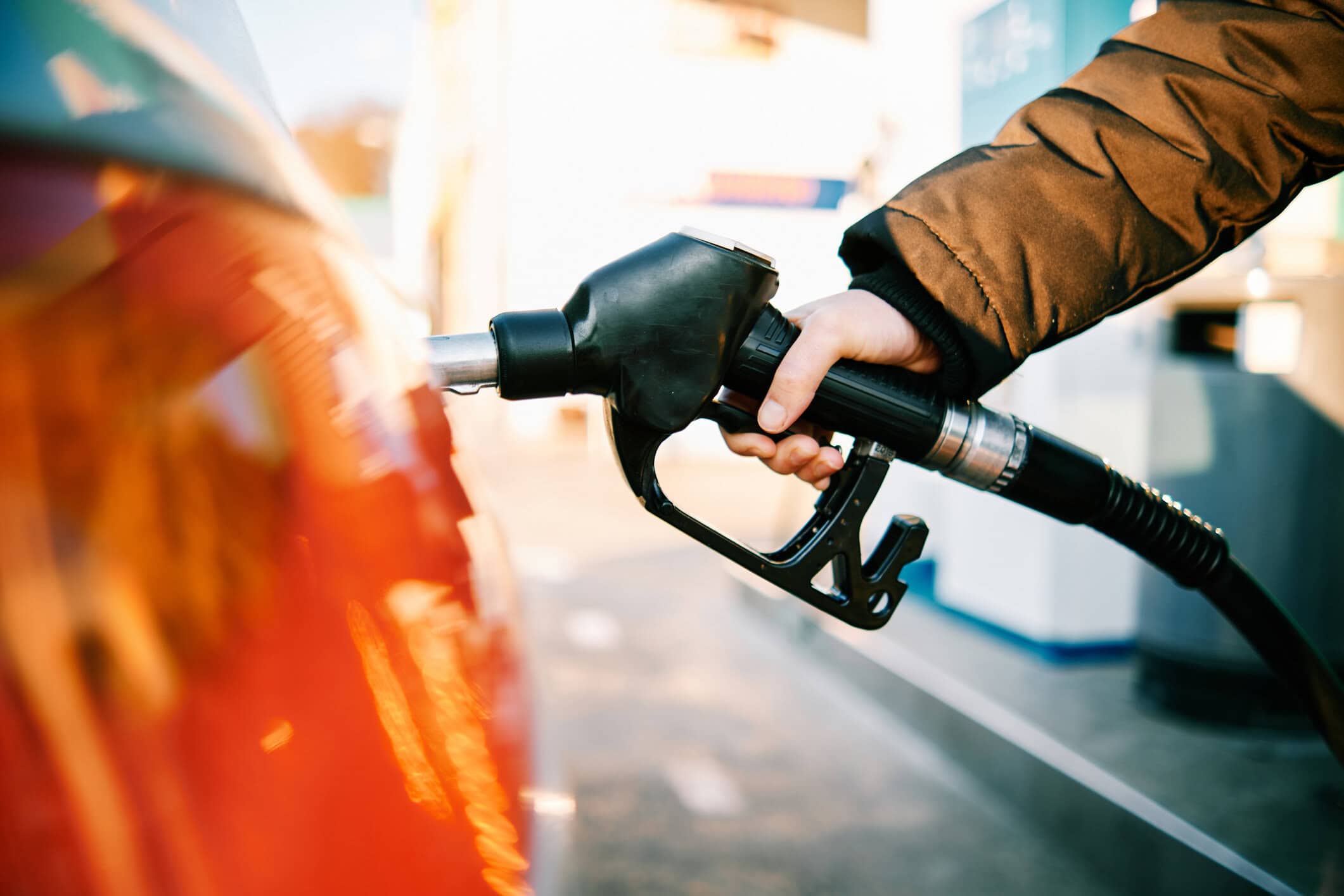
Wisconsin diesel set a new all-time high Monday as regular gasoline jumped more than 30 cents in a week, according to AAA.
The statewide average for diesel reached $6.57 a gallon. That topped the previous daily records set throughout mid-September and more than doubled the $3.52 average from a year earlier.
Regular unleaded averaged $4.44, up from $4.09 a week ago and $2.91 a year ago. The national averages stood at $4.48 for regular and $6.51 for diesel.
Analysts point to a mix of global supply shocks and regional refinery trouble. Wars involving Iran and Russia have squeezed middle-distillate exports. Exxon Mobil’s Joliet, Illinois, plant shut down after a power outage, and BP’s Whiting, Indiana, refinery hit brief technical problems, tightening Great Lakes supply. President Trump mentioned the hostilities in Ukraine and Russia as both sides continue to hit critical refinery infrastructure.
The debate over those causes and the impact will continue to be just that, a debate. However, what can be done at the state level regarding gas prices?
Wisconsin’s motor vehicle fuel excise tax, commonly called the gas tax, remains at 30.9 cents a gallon. A separate 2-cent petroleum inspection fee brings the state total to 32.9 cents. The state first levied a gas tax in 1925 at 2 cents a gallon. The money is collected as a user fee for roads, bridges, and the transportation fund. Lawmakers later raised the rate by statute. From 1985 through 2006, the rate also rose automatically under an indexing formula tied to the Consumer Price Index.
That last automatic bump, on April 1, 2006, set the excise tax at 30.9 cents. The Legislature and Democratic Gov. Jim Doyle repealed indexing in 2005 and the rate has been frozen for 20 years ever since.
Gov. Tony Evers tried to restart the machine in his first budget in 2019. He proposed an 8-cent increase, taking the excise tax from 30.9 cents to 38.9 cents, and restoring annual inflation adjustments each April.
The nonpartisan Legislative Fiscal Bureau found the combined hike and indexing would have pushed the overall state levy up by nearly a dime by early 2021. Evers also wanted to repeal the state’s minimum markup law on gasoline, arguing the net pump price could still fall. Republican lawmakers rejected the tax increase and the indexing.
Evers said at the time the state could not keep kicking the can down the road on transportation funding. His plan was projected to raise more than $600 million over two years, most of it from the higher fuel tax.
If the 2006 indexing formula had stayed in place, Bureau of Labor Statistics CPI-U data show the 30.9-cent rate would now be about 51 cents a gallon. If Evers’ 2019 package had become law and then tracked inflation from the higher 38.9-cent base, the excise tax would sit near 51 cents as well. High inflation in 2021 through 2023 closed most of the gap.
On a 15-gallon fill-up, a 20-cent higher state tax is about $3 more per stop. Farmers, haulers, and truckers already facing record diesel would pay that on every gallon.
Wisconsin still ranks near the middle of the pack on state fuel taxes. California and Illinois levy far more. The difference in Madison is that the rate does not rise unless the Legislature votes to raise it.
