


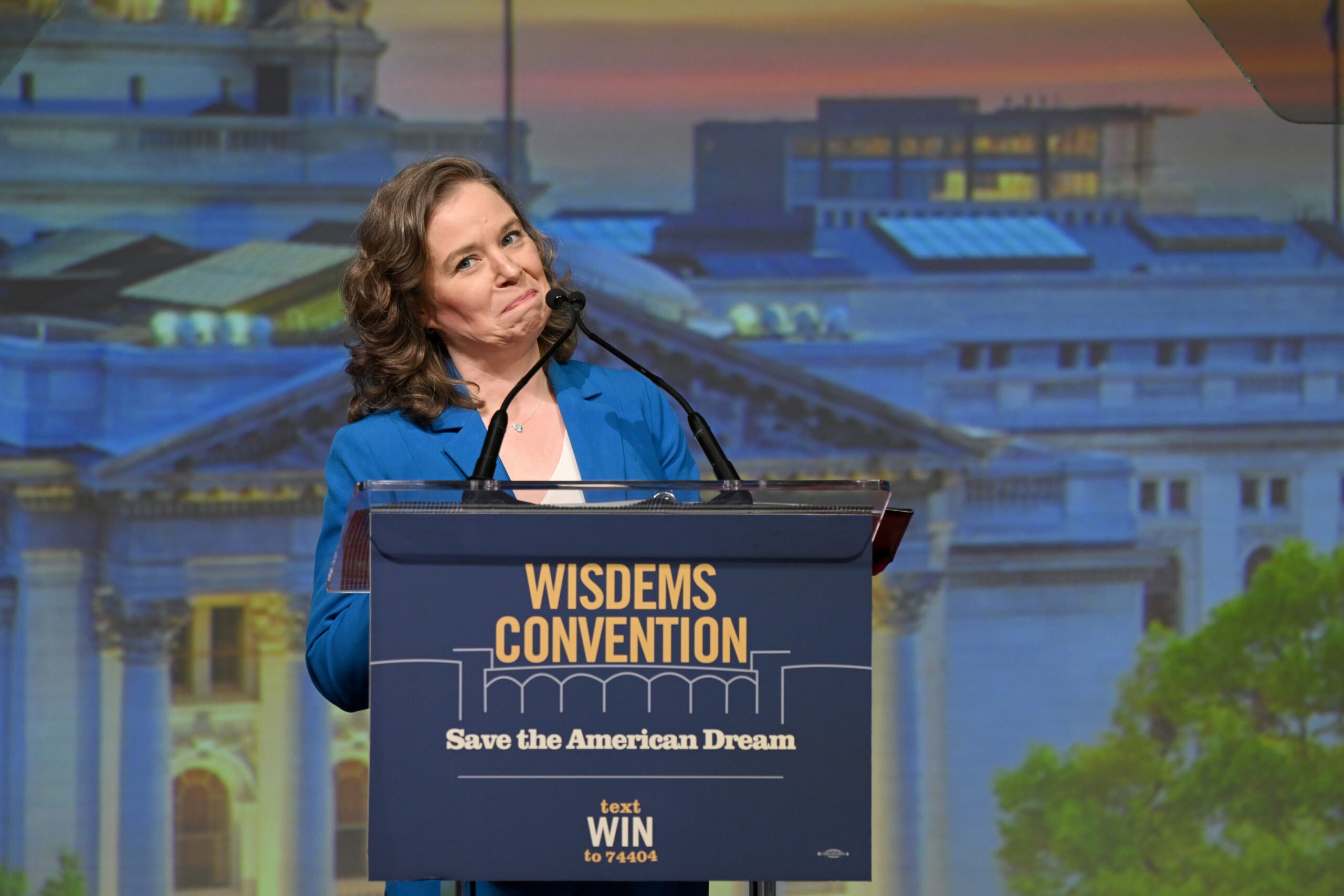
New campaign finance reports filed by current Lt. Governor and failed gubernatorial candidate Sara Rodriguez reveal delayed reimbursement to the State of Wisconsin for mileage and staff time associated with her security detail.

The Rodriguez campaign did not pay the state back for 2025 expenses until July 15th, 2026, essentially giving her campaign an interest-free loan from taxpayers for the security detail the state provided.
Amended filings for the period ending June 30, 2026, list an incurred obligation of about $9,431 to the State of Wisconsin dated June 25, among more than $152,000 in outstanding campaign debts at the close of the reporting period. Those debts also included substantial amounts owed to a crisis communications firm and other vendors. The delayed repayment for prior-year security-related costs surfaced amid a cascade of errors and irregularites in finance reporting that ultimately forced Rodriguez to suspend her campaign for governor.
Under Wisconsin campaign finance law, candidate committees are required to accurately report all contributions, disbursements and obligations. Wis. Stat. § 11.1206 specifically addresses travel by public officers: elected officials who become candidates generally may not use state-owned vehicles or related services for campaign purposes without reimbursing the state or local government at a rate comparable to commercial market value. Security protection provided by the state is an exception when required, but associated costs such as mileage and staff time for campaign-related activity must still be properly accounted for and repaid. Failure to report expenses accurately or to timely reimburse public funds can trigger scrutiny by the Wisconsin Ethics Commission, which administers and enforces the laws.
The reimbursement delay formed part of a broader finance scandal that destroyed Rodriguez’s gubernatorial bid. In early July, Rodriguez fired campaign manager Kara Spencer after discovering what the campaign called “serious mismanagement and inaccuracies” in the committee’s reports. Reviews showed extensive double-counting of contributions—more than $100,000 in some analyses—that had inflated the campaign’s reported fundraising totals dating back to the January 2026 continuing report, which itself was filed late and amended multiple times in the early morning hours after the deadline. Expenses also went unreported.
Rodriguez had publicly announced a $1 million television ad buy, but the commercials never aired because an invoice went unpaid. She initially told reporters her campaign had roughly $200,000 cash on hand; the July 15 filing then showed just under $35,000, with the large debt load. An amended version later listed a higher cash balance of more than $640,000 before the campaign sheepishly admitted hours later that the $35,000 total was the correct one.
On July 17, Rodriguez suspended her campaign, stating the issues had become an ongoing distraction that Wisconsin Democrats could not afford in the primary. The Wisconsin Ethics Commission was notified of the discrepancies. Rodriguez, who remains lieutenant governor, has said she took immediate accountability by firing the manager and working to correct the reports.
