


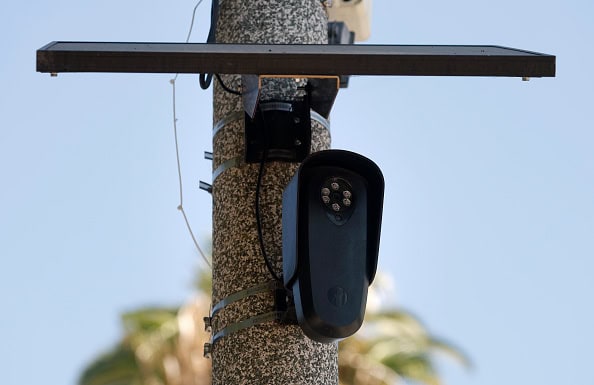
Mayor Cavalier Johnson on Monday ordered major new limits on how Milwaukee police use Flock Safety license plate cameras, preventing most officers from accessing the system and barring outside agencies from searching the city’s data.
Under the policy outlined in a letter from the mayor’s office, rank-and-file officers and detectives will lose access. Only supervisors may run searches, and only for a narrow set of cases: FBI Part 1 crimes, critically missing people, abductions and investigations of drug trafficking organizations. Part 1 offenses include homicide, rape, robbery, aggravated assault — including nonfatal shootings — burglary, larceny, motor vehicle theft, arson and human trafficking.
Johnson also directed the Milwaukee Police Department to stop sharing the city’s Flock feed with neighboring departments and other agencies. Milwaukee police will be the only agency allowed to query cameras in the city, giving the department sole control of audits of its own data. The Police Department did not immediately comment.
The mayor’s office said it will keep watching how the cameras are used. A public dashboard is planned so residents can see how often and for what purposes police tap the system. The Fire and Police Commission has already started an audit and will conduct independent reviews twice a year. Those findings will go to the mayor’s office for another look and will be released to the public.
Flock cameras photograph license plates in public view and store the images in a searchable database that can show where a vehicle was last seen. Milwaukee police have said they use the tool thousands of times a month and that it has helped in missing-person cases and homicides. Critics say the same network can reconstruct the movements of people who are not suspected of a crime.
The announcement follows criminal charges against two former Milwaukee officers accused of using Flock to track people in their personal lives. Police are also reviewing a third employee after what officials described as a single outlying search. Similar misuse cases elsewhere and privacy fights in other Wisconsin cities have intensified pressure on Johnson and the Common Council. On Aug. 25, a majority of alders demanded tighter rules, shorter data retention and answers before 2027 budget talks. Sheboygan this month covered its cameras while moving to cancel its contract.
Johnson’s order does not say the city will drop Flock. It sharply narrows who can search, what they can search for and who else can see Milwaukee’s plates.
