


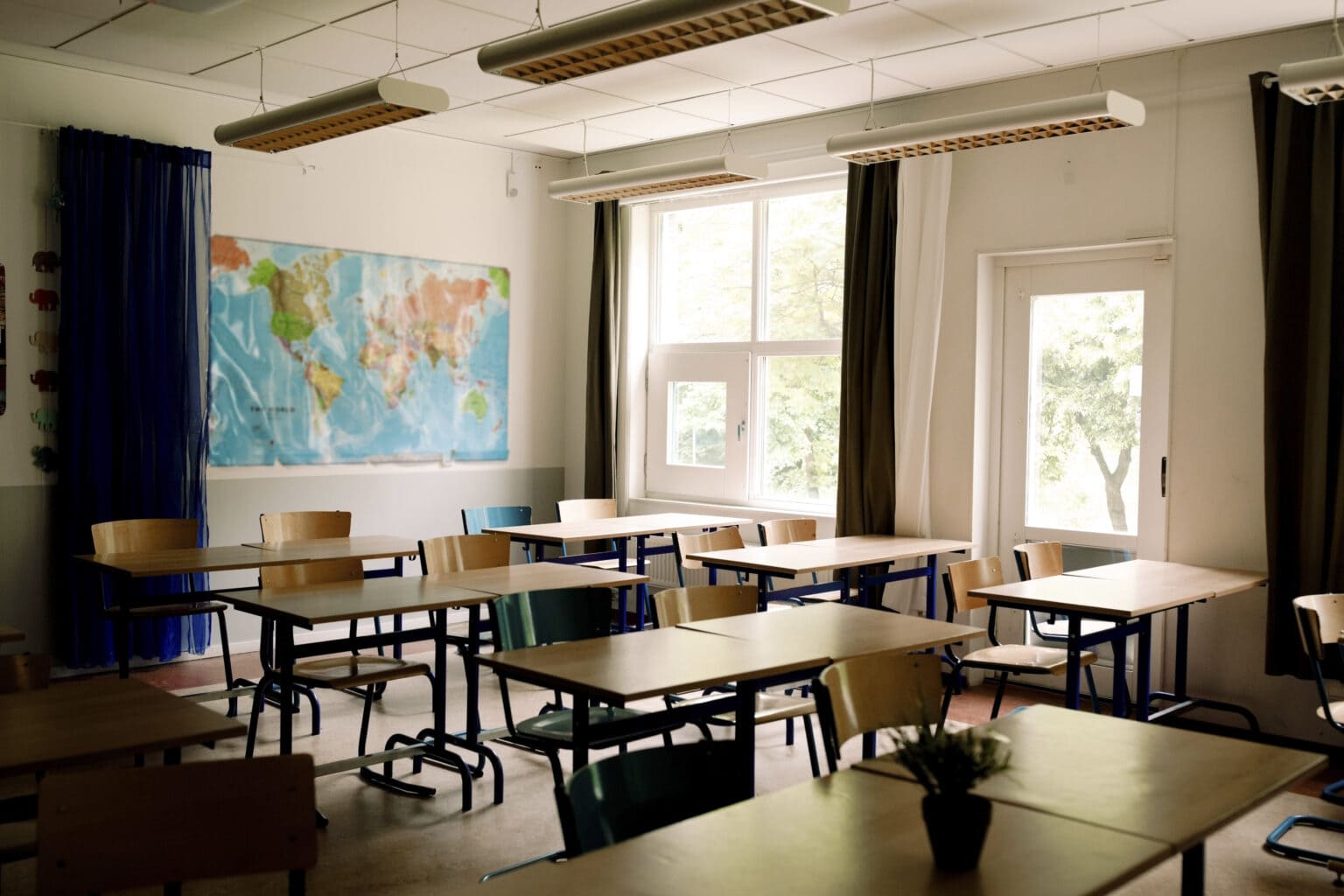
Most public school districts across the state opened classrooms Tuesday for the 2026-27 school year, the first day allowed under state law for the majority of students.
Wisconsin statutes generally bar public schools from starting before Sept. 1 unless the Department of Public Instruction grants a waiver.
Milwaukee Public Schools and Kenosha Unified began classes Tuesday morning. Madison Metropolitan School District started four-year-old kindergarten, kindergarten, sixth grade and ninth grade Tuesday, with remaining grades reporting Wednesday. Many other districts followed the same Sept. 1 start.
Students return as national and state data continue to show uneven academic performance and Department of Public Instruction (DPI) efforts to mask declines in standardized test scores.
The National Assessment of Educational Progress, released in January 2025 for tests given in 2024, found 31% of Wisconsin fourth-graders scored at or above proficient in reading, down from 33% in 2022 and 36% in 2019. Eighth-grade reading proficiency was also 31%. Fourth-grade math proficiency was 42%, down from 45% in 2019. Eighth-grade math proficiency was 37%, down from 41% in 2019, though Wisconsin ranked among the top states in that category.
Racial gaps remained large. Eight percent of Black fourth-graders reached proficient in reading and 5% in math, compared with 38% and 51% of white students, respectively. A Harvard-Stanford-Dartmouth Education Scorecard analysis released in 2026 ranked Wisconsin 33rd of 38 states in math growth and 30th of 35 in reading growth between 2022 and 2025.
State Forward Exam results use a different scale after DPI changed cut scores and performance labels in 2024. Under the new categories (Developing, Approaching, Meeting and Advanced) about 52.8% of students in grades 3-8 reached “Meeting” or above in English language arts in 2025 and about 53.9% in math. DPI said 2024 results established a new baseline and are not comparable to earlier years. Independent analyses that remapped scores found many students now labeled “Meeting” would have fallen short of the old “Proficient” mark.
The cut-score changes originated at a four-day standard-setting workshop June 11-14, 2024, at Chula Vista Resort in Wisconsin Dells. Eighty-eight educators participated under nondisclosure agreements. DPI and vendor Data Recognition Corp. facilitated the bookmark process. State Superintendent Jill Underly approved the new cuts June 29, 2024. DPI later confirmed the workshop line-item cost at $368,885.
Records released after more than a year of public-records requests did not include itemized receipts for lodging, meals or amenities. No public notice was issued, and no recordings or minutes were provided.
The Institute for Reforming Government and the Wisconsin Institute for Law & Liberty said the changes lowered expectations and obscured whether students were catching up. IRG sued DPI in Adams County Circuit Court in June, alleging the Dells meeting violated the state’s open meetings law because it was closed, unnoticed and bound by confidentiality agreements. DPI has argued the session was a vendor-facilitated technical workshop, not a governmental body meeting subject to the law.
Republican members of the Joint Finance Committee delayed a $1 million DPI operations request in February after the spending figures became public.
The next statewide Forward Exam administration is scheduled for spring 2027.
