


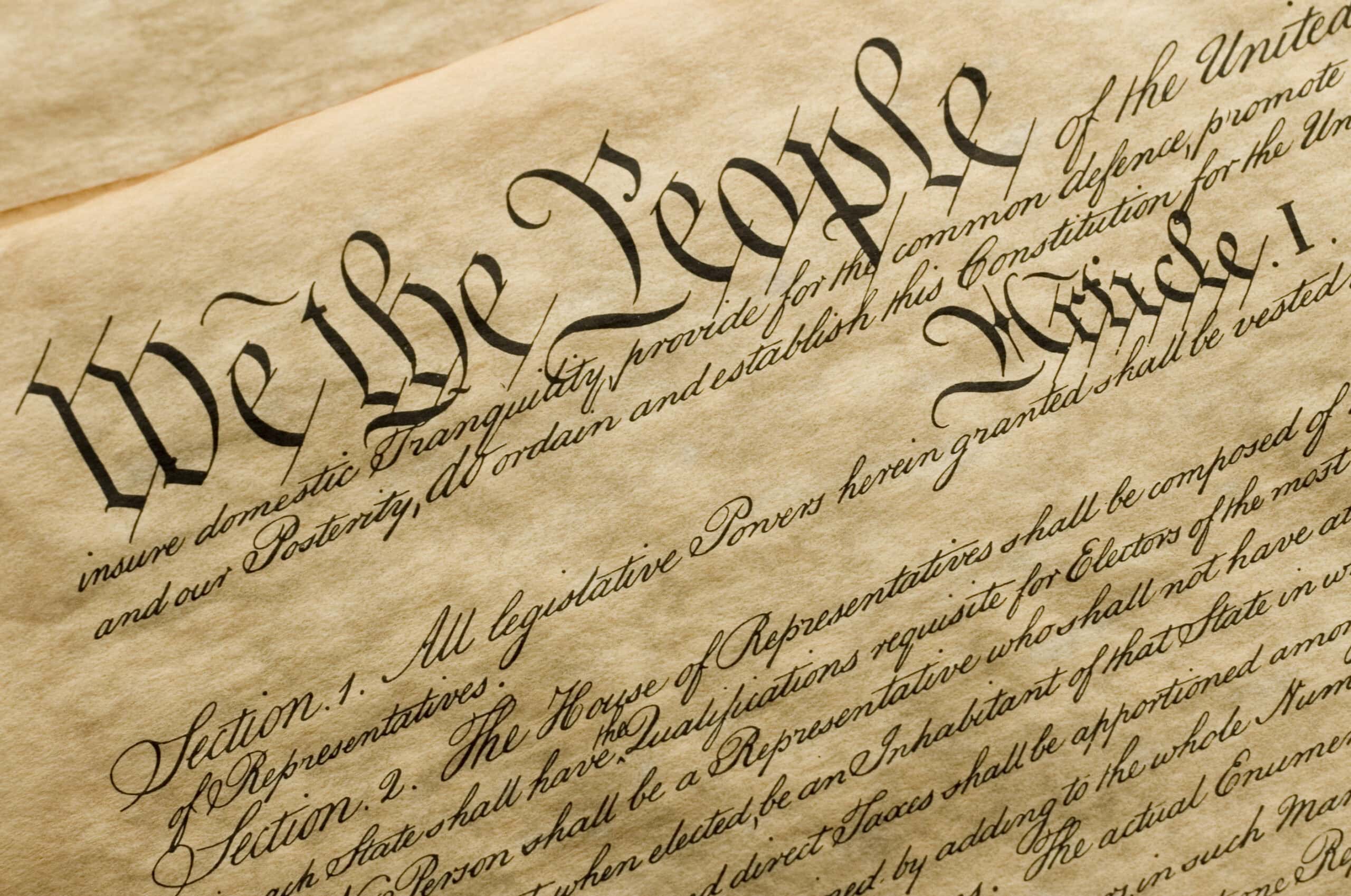
Constitution Day marks the moment, in 1787, when a young nation put its highest political hopes into writing, and that act still deserves our celebration 239 years later. The Constitution did not merely organize a government. It bound that government with limits and secured the rights of a free people.
Those rights did not begin in Philadelphia. They were understood as belonging to persons by nature: the right to speak, to worship, to keep and bear arms, to be secure in one’s home, to a fair trial, to the equal protection of the laws. The Constitution’s great achievement was to place those rights beyond the easy reach of temporary political majorities and ambitious elected officials. Power would be divided amongst branches. Authority would be specifically enumerated. And what was not granted would remain with the states and the people.
That design is worth honoring because it continues to work. A written constitution turns liberty from a slogan into a structure. Congress may not simply invent new powers. The executive may not rule by decree. Courts may not quietly become a second legislature. The Bill of Rights stands as a reminder that some things are not up for a vote.
Today we must celebrate the preservation of this document, and the rights it has protected from government overreach.
Constitution Day is more than a date on the calendar. It is a chance to celebrate our rights of speech, association, faith, work, self-defense, and due process. Rights that are not viewed as gifts from the state but properly recognized as our inherent, God-given rights as humans.
The proper celebration today is not nostalgia. It is fidelity. Read the document. Teach it. Demand that those who take an oath to it keep that oath. Our Constitution survives only so long as a people insist on it. On this day, remember what was signed in 1787: not a suggestion, not a mood, but a charter of liberty. That is still worth defending and celebrating.
