


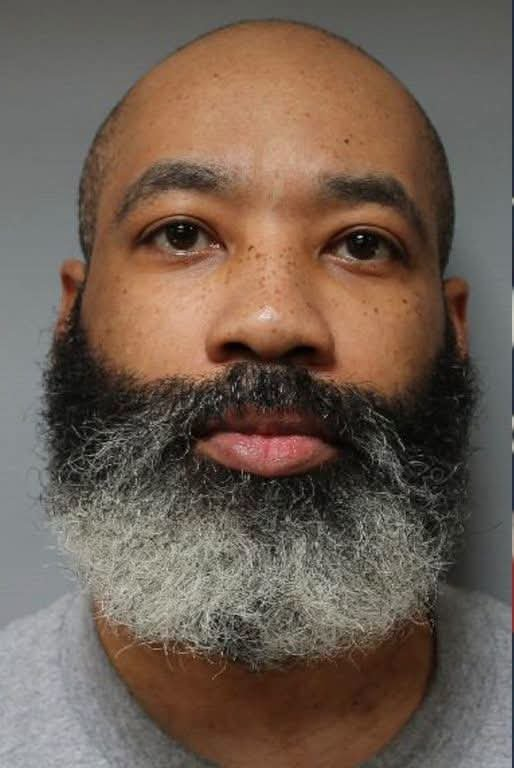
Gov. Tony Evers on Friday advanced the parole eligibility date for DeQuelvin M. Douglas from 2054 to 2029, granting a commutation in a 1995 Kenosha County case in which Douglas, then 15, shot one man three times and chased and fatally shot another in the back.
The decision is part of the first commutations issued by a Wisconsin governor since the Tommy Thompson administration in 1995. Evers granted commutations to 14 of 24 people who appeared before his Commutation Advisory Board earlier this year. The remaining 10 applications were denied.
The commutation makes Douglas eligible for consideration by the Wisconsin Parole Commission starting in 2029 after roughly 34 years behind bars.
On March 30, 1995, Douglas encountered Solomon Bankhead and Jerry Darden outside his home. Court records describe Bankhead as a leader of the Gangster Disciples in Kenosha and Darden as his associate. After a verbal exchange in which Darden grabbed one of Douglas’s associates, Douglas went inside, retrieved a firearm, and returned. He fired three shots that struck Bankhead in the groin, right forearm, and lower left rib cage. Bankhead survived.
Darden fled. Douglas pursued him while firing. A bullet struck Darden in the lower back; he died in a nearby parking lot. Douglas was convicted later that year of first-degree intentional homicide while armed and a related count. He was sentenced to life imprisonment on Dec. 19, 1995, with a parole eligibility date set in 2054.
The Kenosha County District Attorney’s Office opposed the commutation application and submitted a written objection. District Attorney Xavier Solis stood by that position in a statement released after the governor’s decision:
“Douglas was 15 years old. His age was a factor, and so was what he did. He shot Solomon Bankhead three times, then chased Jerry Darden and fatally shot him in the back. By the time Douglas pursued Darden, any immediate threat from Darden had passed. Self-defense ends when the threat ends. Our office opposed this commutation because of the seriousness of the shootings and our responsibility to protect public safety.”
Kenosha County Circuit Court Judge Jodi Meier wrote “OPPOSE!!” on commutation paperwork and called it “outrageous” that the governor would believe he knows better than the sentencing judge. Meier wrote that Douglas was “lucky he didn’t murder 2 people because he certainly tried.” Deputy District Attorney Rosa Delgado also objected, warning that commuting the sentence would endanger Kenosha County and the state.
Douglas, now 47, has served about 31 years. Documents from the governor’s office describe him as having participated in employment, education, counseling, and volunteer programs while incarcerated and as having shared his experience with at-risk youth. A retired Department of Corrections sergeant wrote in support that Douglas “truly deserves a second chance.”
State Sen. Van Wanggaard of Racine called Evers’ actions arrogant for overriding the recommendations of judges, prosecutors, and victims in cases involving homicide. State Rep. Amanda Nedweski of Pleasant Prairie specifically highlighted the Douglas case and the opposition from the Kenosha County DA’s Office.
Evers reinstated the commutation process earlier this year through executive orders after decades of inactivity. The advisory board considers victim and community impact, public safety, prison conduct, and evidence of personal growth. A commutation can advance parole eligibility but does not guarantee release. The ACLU of Wisconsin welcomed the grants as a step toward addressing long sentences, while noting Wisconsin’s prison population remains high.
Douglas will become eligible for parole consideration in 2029. Any decision on supervised release will rest with the Wisconsin Parole Commission.
