


Yes.
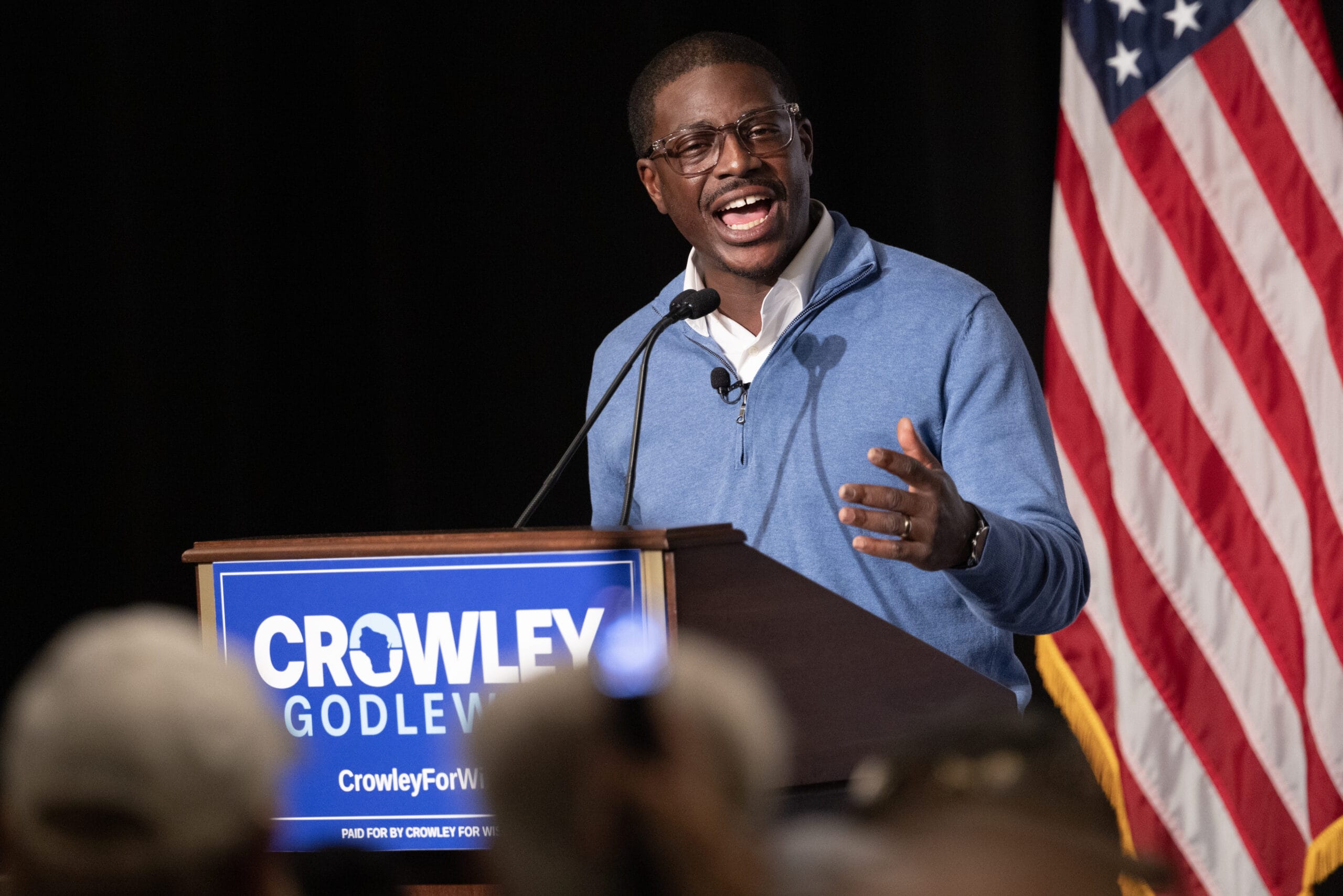
Despite being elected by the voters of Dane County, District Attorney Ismael Ozanne could be removed from office by incoming Governor David Crowley under a little-known provision of Wisconsin law.
With Ozanne already facing a recall effort and mounting criticism over his decision not to charge the Madison police officer who fatally shot Corey Ruiz, pressure could mount from within the Democrat Party’s progressive base for Crowley to exercise that authority when he takes office in January.
What Does Wisconsin Law Say?
Under Article VI, Section 4 of the Wisconsin Constitution, the governor has the authority to remove certain elected county officials, including district attorneys, without approval from the Legislature. Wisconsin Statutes Chapter 17 further establishes that a district attorney may be removed “for cause,” including inefficiency, neglect of duty, official misconduct, or malfeasance in office.
Those terms are relatively broad, particularly “neglect of duty,” leaving considerable room for legal and political interpretation. However, disagreement with a prosecutor’s charging decision does not automatically establish grounds for removal.
The process also requires a formal complaint consisting of written, verified charges brought by a resident taxpayer of the county. Given the existing recall campaign and public criticism surrounding Ozanne, finding a Dane County resident willing to file such a complaint may not be a significant practical obstacle.
Once a complaint is filed, the governor can appoint a commissioner to investigate the allegations and conduct a public hearing, allowing the district attorney an opportunity to defend himself. The ultimate removal decision rests with the governor.
Has a Governor Done This Before?
There is precedent for Wisconsin governors exercising this authority.
In 2021, Governor Tony Evers initiated removal proceedings against Eau Claire County District Attorney Gary King following allegations of sexual harassment. King ultimately resigned before Evers made a final determination.
In 1996, Governor Tommy Thompson went even further, removing Lincoln County District Attorney James Blask after an incident where Blask allegedly shoved a referee at his son’s high school basketball game.
However, not every removal effort has succeeded.
In 2022, Evers declined to pursue the removal of Milwaukee County District Attorney John Chisholm following criticism of his office’s handling of Darrell Brooks, who later killed six people in the Waukesha Christmas Parade attack.
An outside attorney determined that the complaint failed to satisfy statutory requirements, including establishing Chisholm’s personal responsibility for the alleged misconduct.
Ozanne Faces Growing Controversy
The question comes as Ozanne faces criticism from multiple directions.
Earlier this month, organizers launched an effort to recall Ozanne over his handling of allegations of animal abuse at Ridglan Farms, a former Dane County beagle breeding facility. Organizers are seeking approximately 75,000 signatures to force a recall election.
That controversy has since been joined by outrage over Ozanne’s November 19th decision not to charge the Madison police officer who fatally shot Corey Ruiz in July. Ozanne concluded that the officer’s use of deadly force was legally justified after Ruiz resisted arrest, produced a knife, and injured an officer.
The decision prompted protests and criticism from the Ruiz family, civil rights advocates, and several Democratic elected officials.
Crowley himself called the video of the shooting “deeply troubling” and acknowledged the frustration surrounding Ozanne’s decision, saying that “people have every right to be upset and to make their voices heard” following the charging decision.
Whether the controversies surrounding Ozanne would constitute legally sufficient grounds for removal remains an open question. Ultimately, any decision to pursue his removal would rest with Crowley.
The question now is whether the progressive wing of the Democratic Party, including those who have already expressed frustration with Crowley for seemingly backing down on Medicaid expansion, will pressure the incoming governor to exercise that authority once he takes office in January.
