


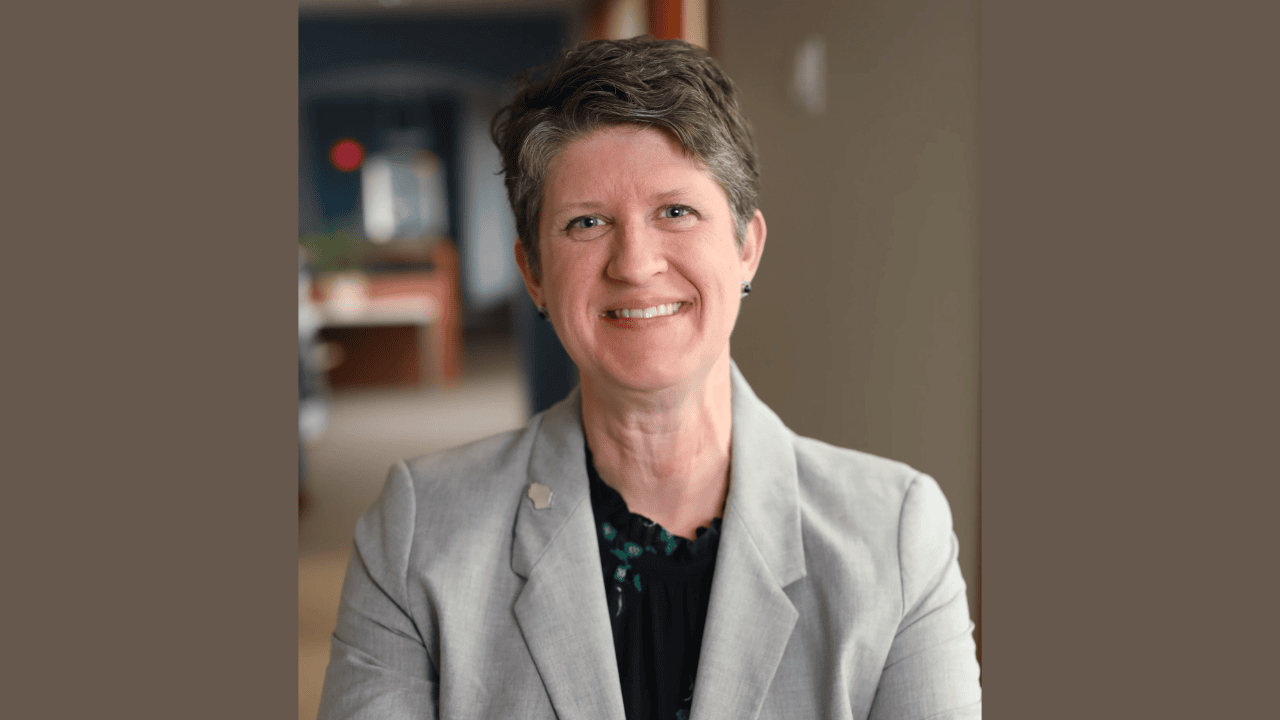
Wisconsin’s Department of Public Instruction (DPI), essentially our state’s education department, in theory are the adults in charge of our state’s education system. We should expect them to be honest, fair and unrelenting in pursuit of strong education outcomes for all students. Unfortunately, the last few weeks have shown us the Department’s true colors: lying and cheating. Is this really the lesson our students should be getting from top education officials?
Here’s the summary of just how bad the last few weeks have been for DPI and Superintendent Jill Underly.
A nonpartisan Legislative Audit Bureau review released this month shows the Department of Public Instruction (DPI) under State Superintendent Jill Underly adjusted school report card achievement scores for 2023-24 so that no school or district’s score could drop from the year before, no matter what the actual results showed. Auditors found DPI replaced the new scores with the prior year’s numbers for roughly 64 percent of schools in English language arts and 44 percent in math. The result, in the auditors’ words, was that “no school or school district’s student achievement score for school year 2023-2024 decreased from the previous year, regardless of performance.”
This was not a minor technical tweak by the Department. It followed earlier changes to the Forward Exam that had already made reported proficiency rates look better without any real gains in student learning. Sen. Eric Wimberger, who co-chairs the Joint Legislative Audit Committee, put it plainly: DPI turned the report cards into “an untrustworthy sham.” Underly has disputed the findings and called the review political, but the core facts come from the nonpartisan auditors.
Will Flanders of the Wisconsin Institute for Law & Liberty has documented the broader pattern for years. On the latest report cards, about 95 percent of districts meet, exceed, or significantly exceed expectations. At the same time, Forward Exam results show roughly half of students statewide are proficient in reading or math. Flanders highlighted Maple Tree Elementary in Milwaukee, where just 7 percent of third graders scored proficient in reading yet the school received an “Exceeds Expectations” rating. Three schools with under 10 percent English language arts proficiency still earned “Meets Expectations,” including Menominee Nation High School at 8.7 percent, Siefert Elementary at 9.2 percent, and Clemens Elementary at 9.6 percent.
The formula helps explain the gap. In high-poverty schools, raw proficiency can count for as little as 5 percent of the overall score while growth counts for far more. Growth matters, but a school can look solid on paper while most of its students remain far behind. Flanders and others have argued for years that the system systematically softens bad news rather than confronting and solving it.
Then there is the budget request. DPI is seeking roughly $2.75 billion in new aid. The document it first posted contained dozens of spelling and grammar errors, including a reference to the “Department of Public Insruction.” Other mistakes included “propsal,” “acrhives,” “Modernizaing,” “sufficent,” leftover staff notes, incorrect percentages, and sentences that simply do not make sense. A fourth-grader who turned in work like this would get it back covered in corrections. After the errors were publicized, including by this site, DPI quietly swapped in a cleaned-up version at the same link. Many mistakes remained.
None of this is abstract. Parents use these ratings when they choose schools. Lawmakers look at data when making state budget decisions. Taxpayers fund the system with their hard earned dollars. We should demand better from elected officials and bureaucrats running our state agencies.
More concerning, is that we tell our children that effort, honesty, and accurate measurement matter, then watch the adults in charge rewrite the numbers so declines disappear, hand out solid ratings to schools where almost no one can read at grade level, and submit a multi-billion-dollar request full of basic errors.
The bureaucrats running Wisconsin’s education system are modeling exactly the behavior they claim to oppose. When the people in charge of your kids’ schooling treat data as something to massage, standards as something to lower, and basic proofreading as optional, they teach the next generation that lying and cheating get results.
That lesson is more damanging than any single bad test score.
