


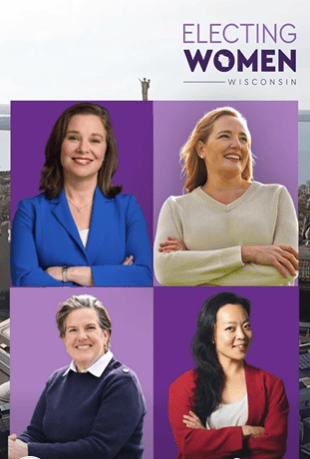
Ladies Night Forum less of a celebration of women, just pandering and divisiveness
Tonight, Electing Women Wisconsin is hosting a Governor Candidate Forum, but they chose to only invite the women running. It’s getting harder to tell whether moments like this are meant to be taken seriously or just accepted as political theater.
On its face, it’s framed as a celebration of women. But looking a little closer, it starts to feel less like empowerment and more like a carefully staged exercise in pandering and divisiveness.
The underlying assumption seems to be that women voters need a separate showcase, as if they can’t evaluate candidates on equal footing unless gender is centered and curated for them. That’s not respect; it’s condescension dressed up as progress.
Women in Wisconsin don’t need a political “ladies’ night” to understand the stakes of a gubernatorial race. They’re business owners, parents, workers, taxpayers, and voters who navigate complex policy issues every day. Suggesting they require a gender-exclusive forum to engage with candidates diminishes that reality. It implies that identity, rather than ideas, should be the lens through which leadership is judged.
If the goal is to demonstrate that women are just as capable of leading the state as men, then the obvious solution is simple: treat them the same. Put every candidate on the same stage, ask them the same questions, and let all voters decide. Segregating candidates by gender, even under the banner of inclusion, sends the opposite message. It says the playing field isn’t level, and worse, that it shouldn’t be.
There’s also a political calculation here that’s hard to ignore. Events like this aren’t just about representation; they’re about false signaling. They’re designed to appeal to a specific narrative, that one party is the champion of women, and that voters should align accordingly. But voters are more perceptive than that. They can spot when something is authentic and when it’s a marketing strategy. This event falls completely into the latter category.
If anything, this approach underestimates women voters. It assumes they’ll be swayed by symbolism rather than substance, by optics rather than outcomes. That’s not just misguided, it’s insulting.
Wisconsin voters deserve a serious conversation about the future of the state, particularly on the economy, education, public safety, and the direction of government. Those conversations should include every candidate willing to step up and make their case. Because when you isolate candidates based on identity, you risk reinforcing the very divisions you claim to be breaking down.
Voters, regardless of gender, deserve better than that, and are smart enough to discern the policy differences from all candidates.
