


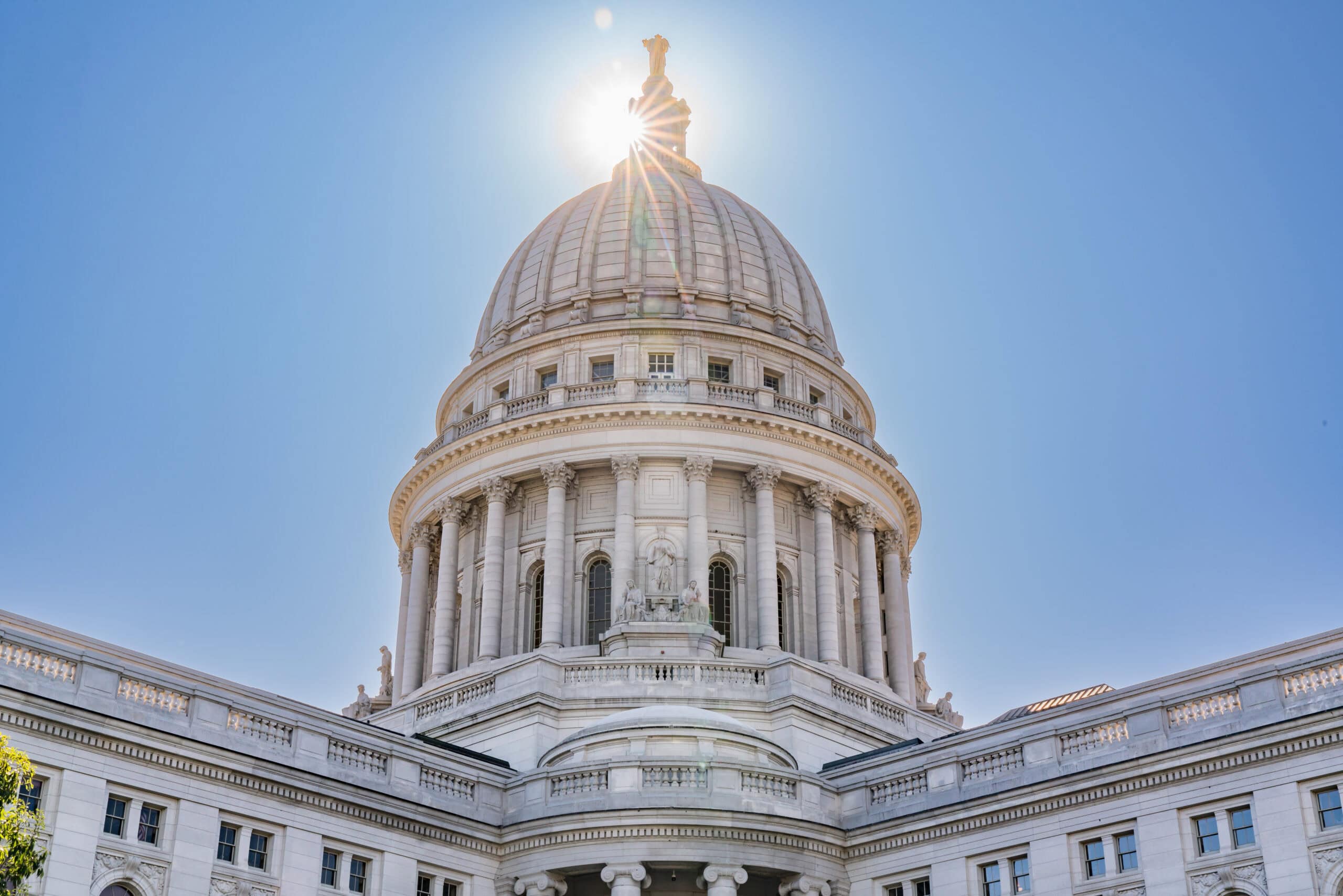
Republican leaders in the Wisconsin Legislature have reached an agreement with Governor Evers on a nearly $2 billion property tax relief package that includes rebate checks to taxpayers and a compromise on special education funding.
The proposal, which aims to alleviate 30-year–high property tax spikes stemming from Evers’ 400-year-veto, releases more than $870 million in state revenue for tax relief. $600 rebate checks will be mailed to taxpayers later this year.
In addition, the measure will codify no state income tax on tips or overtime in perpetuity and increase state money to choice and charter schools by more than $20 million over the next two years. Governor Evers, in exchange, negotiated for major reimbursements for special education spending–one of his top priorities.
Total spending on the package will top $1.8 billion, which will be paid for out of the state’s projected $2.2 billion budget surplus and leave approximately $400 million in the state’s coffers.
Republican leaders in the Assembly and Senate briefed members on the agreement over the past several days, and a vote in both houses is expected later this week.
Property tax relief emerged as a major focus of the Legislature in its session earlier this year after rates increased by the highest year-over-year numbers in at least three decades. The biggest driver was the school tax levy, which is directly attributable to Evers’ so-called 400-year-veto.
In 2023, Evers used his partial veto authority to change the phrase “2024-2025” to “2425” and authorized school districts to impose a $325 per-student per-year levy increase until the year 2425. The veto drew national criticism as an abuse of the partial veto power, but the Wisconsin Supreme Court upheld it last year.
The first year it was in place, 2025, saw record-high property tax increases. Rank-and-file Republicans questioned whether a property tax relief package would let Evers and Democrats off the hook for this move in a critical election year, but legislative leaders brushed aside those concerns and negotiated what they believe to be a win-win deal.
They pointed to major tax cuts in the form of tip and overtime relief mirroring President Trump’s signature achievement in the “One Big Beautiful Bill” at the federal level as well as a longtime desire for increased spending on choice and charter schools.
Evers, meanwhile, has long wanted higher reimbursements for special education and a way to rescue taxpayers from the impact of his veto. That veto does remain in place under the terms of this agreement.
