


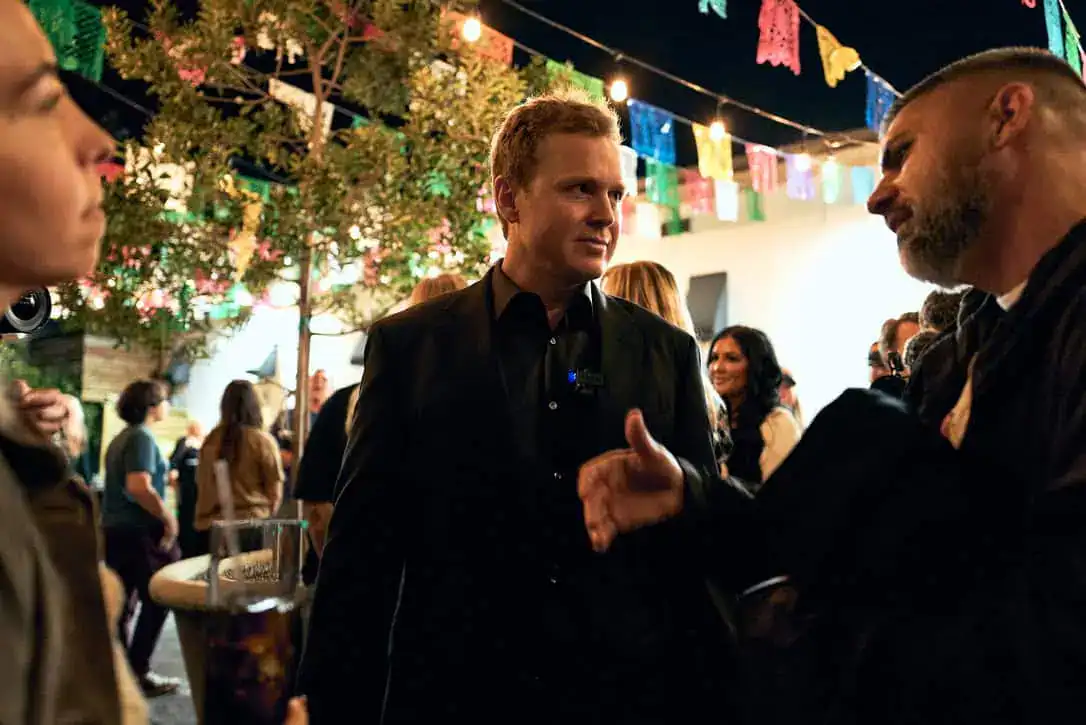
In Los Angeles, reality TV star and political outsider Spencer Pratt is mounting a surprisingly competitive campaign for mayor by directly confronting the everyday crises facing residents in major Democratic-led cities: unchecked violent crime, repeat offenders cycling rapidly through the system, open-air drug markets, sprawling homeless encampments, and the fiscal fallout from years of progressive policies and nonprofits laundering millions of taxpayer dollars to services never rendered. His unfiltered attacks on “failed” policies during debates have gone viral, resonating with voters frustrated by government inefficiency, significant amounts of waste, fraud and abuse, and leaders seemingly disconnected from street-level issues.
Pratt’s platform emphasizes zero tolerance for encampments, treatment strategies for those suffering from drug additions before providing free housing, stronger backing for police, and aggressive audits of wasteful spending. The overarching theme of his campaign is common-sense leadership, especially after losing his Pacific Palisades home (and his parents’ home) in the 2025 wildfires – a tragedy that was an entirely preventable. As the June 2, 2026, primary approaches, Pratt’s momentum calls attention to the salient issues plaguing blue cities: the post-2020 “defund the police” efforts, no-cash bail reforms, recidivism, and overlooking the drug-filled homeless encampments spreading like a California wildfire throughout the city of Los Angeles.
Milwaukee exemplifies these problems. Under Mayor Cavalier “Chevy” Johnson, the city has recorded some preliminary positive crime trends in 2026, with most major offenses (including murder, rape, robbery, and aggravated assault) are down year-to-date compared to 2025. Non-fatal shootings have fallen 27%, carjackings are down 39%, and homicides declined 8% during the first quarter. However, violent crime typically spikes in the warmer months. This summer will serve as a litmus test for 2026 crime trends.
Those reductions are coming down from historically high crime levels in Milwaukee. In 2025, homicides increased 8% to 142, running counter to national downward trends. The city’s all-time homicide record was set in 2022 with 224 killings. Although homicides declined over the next two years – dropping to 172 in 2023 and 132 in 2024 – the numbers have remained significantly higher compared to historical norms.
Modest declines from record-breaking violence do not necessarily translate into residents feeling safer across Southeast Wisconsin. Public safety concerns also remain tied to Wisconsin’s persistently high recidivism rates, which are estimated between 38% and 50% for released offenders, including many individuals convicted of violent crimes who later reoffend. State Department of Corrections data shows that roughly half of released offenders are rearrested within three years, while about one-third are reconvicted or returned to prison during that same period.
Underlying tensions point to substantial leadership friction within the police department. The Milwaukee Police Association (MPA) has criticized the City Attorney Evan Goyke, accusing his office in a February 2026 letter of settling police misconduct and civil rights lawsuits too quickly, missing deadlines, and failing to vigorously defend officers, sometimes appearing to capitulate. MPA President Alex Ayala highlighted multimillion-dollar taxpayer payouts and questioned whether Goyke’s 2020 calls to “dismantle” aspects of the criminal justice system were influencing decisions. Goyke has defended his approach as ethical and fiscally responsible.
Tensions extend to the mayor’s office. While Johnson has proposed budgets to grow the Milwaukee Police Department toward its authorized strength of 1,725 officers, the MPA has clashed with city leadership over stalled labor contracts, wage disputes, and perceived insufficient support. Republican state lawmakers have criticized Johnson for not maximizing officers on the streets, prompting pushback from the mayor.
Brazen street takeovers have amplified a sense of lawlessness. In 2026, Milwaukee has seen multiple weekends featuring 9–12 coordinated incidents involving dozens of cars blockading intersections, performing donuts, setting off fireworks, and disrupting neighborhoods from downtown near City Hall to Bay View and the northwest side. Police describe the events as highly mobile, social-media-organized, and “very hard to police,” despite issuing citations, towing vehicles, and planning mass arrests. One key organizer was arrested in late April. Ricky Alcantara Hernandez, 22, was charged in connection to street takeovers, machine gun possession, and drugs. However, the surge of street takeovers continues.
Frustrated by chronic understaffing (nearly 300 officers short), Milwaukee police leadership has floated the idea of federal support. In September 2025, following a spike in takeovers and violence, MPA President Ayala publicly considered asking President Trump to deploy National Guard troops for deterrence, stating the department “doesn’t have the resources.” Mayor Johnson firmly rejected the idea, arguing National Guard troops should not patrol American cities.
Drug abuse and homelessness are among the city’s myriad of problems. Although Milwaukee County overdose deaths declined for a third straight year in 2025, fentanyl-cocaine mixtures remain common, and encampments continue appearing in parks and underpasses. Some of the MKE encampments have branched out into the suburbs including private property near downtown Waukesha. State lawmakers have debated ludicrous ideas such as drug-free zones around shelters and using ankle monitors for certain homeless sex offenders.
Financial pressures add another layer of problems. Milwaukee County confronted a projected $46.7 million structural deficit heading into 2026, driven by rising costs, Milwaukee Public Schools overspending and declining enrollment, debt from millions spent maintaining underutilized buildings, and $11 million transit shortfalls.
Analysts warn that future budgets could face major cuts and that more than a billion dollars’ worth of infrastructure projects and repairs have been delayed. Ballooning lawsuit settlements, reckless government spending, and Evers’ 400-year property tax hike is reflective of the financial strains in other blue cities.
These struggles significantly impact Milwaukee families through fear of takeovers and carjackings, needles and tents in neighborhoods, quick re-release of repeat offenders in under-policed neighborhoods, and rising taxes with lagging services.
Spencer Pratt’s outsider style in Los Angeles – social-media savvy, high-impact videos, and no-filter debate clashes with current Mayor Karen Bass – has surprised pundits in a city without a Republican mayor since 2001. Pratt is seeing a groundswell of grassroots support that continues to gain momentum.
A candidate channeling Pratt’s playbook – unapologetic focus on cracking down on crime, fully supporting police, and demanding fiscal transparency – could resonate with Milwaukee voters who are increasingly frustrated with political rhetoric and what they see as slow or ineffective progress. Many residents worry Milwaukee is moving in the wrong direction and increasingly resembling a smaller-scale version of Chicago.
Milwaukee’s next mayoral election won’t take place until 2028 – a city without a Republican mayor since 1906. Across blue America, from Los Angeles to Milwaukee, families facing the human cost of these crises are hungry for leaders who treat them as urgent daily priorities rather than lab rats in their social egalitarian experiments. Milwaukee may soon test whether Pratt’s message resonates in the Upper Midwest. The question is whether Milwaukee voters are truly ready to vote for real change.
