


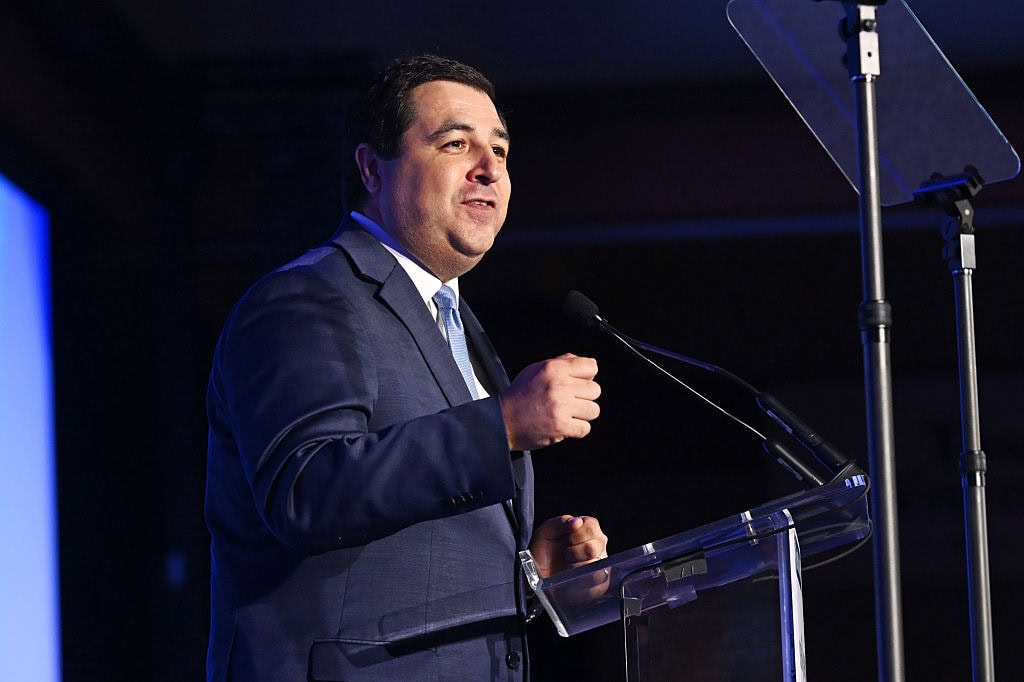
Wisconsin Attorney General Josh Kaul took to WISN’s “UPFRONT” program this week to defend his office’s high-profile lawsuit against major prediction markets, reminding voters he still exists in what is shaping up to be a competitive 2026 election year while advancing a legal fight critics say benefits the state’s tribal casinos at the expense of broader consumer choice.
Kaul’s Department of Justice filed suit on April 23 against Kalshi, Robinhood, Coinbase, Polymarket, Crypto.com, and their affiliates, alleging the platforms facilitate illegal sports betting by offering “event contracts” on sporting outcomes the state claims are indistinguishable from traditional wagers. The lawsuits were filed in Dane County Circuit Court days after Democratic Gov. Tony Evers signed legislation legalizing online sports betting, but only through servers located on tribal lands.
On the WISN program, Kaul acknowledged receiving input from tribal governments but insisted his decisions are driven solely by “the facts and the law.” He noted a letter from tribes and ongoing litigation involving the Ho-Chunk Nation, but maintained the state is enforcing existing gambling statutes that prohibit sports betting outside tribal casinos.
It’s easy to connect the dots quickly. Kaul prosecuted fraud, which is a hot-button issue in an election year. Now he is scheming to try to get the tribes more money.
The pattern fits a familiar critique of Kaul’s tenure: selective enforcement aligning with powerful Democratic interests. Tribal nations, which have long held a near-monopoly on casino gaming in Wisconsin, stand to gain exclusive control over the growing online sports betting market under the Evers-backed compact. Prediction markets, which allow users to bet on everything from NFL games to political races, threaten to siphon customers and revenue from tribal operations.
Oneida Nation Chairman Tehassi Hill publicly confirmed that tribes urged Kaul to crack down on the platforms, arguing they should face the same regulatory hurdles as tribal gaming. Kaul’s lawsuit seeks to declare the companies a public nuisance and block Wisconsin customers from participating.
The move has already drawn federal pushback. The U.S. Commodity Futures Trading Commission sued Wisconsin in response, asserting federal authority over the markets and arguing Kaul’s action violates the Supremacy Clause.
For Kaul, the lawsuit provides a platform to project toughness on gambling enforcement at a time when his office has faced criticism for slow-walking welfare fraud cases and resisting federal reviews of SNAP data. Kaul suddenly finds resources to sue national financial platforms while other priorities languish.
The tribal connection is particularly glaring in a state where gaming compacts generate millions in revenue for tribal governments that reliably support Democratic causes. By shutting down prediction markets, critics argue, Kaul isn’t protecting Wisconsin families but protecting the tribal gaming cartel’s new foothold in online sports betting.
In an election year, AG Kaul has found something to do — and it just happens to line up perfectly with the priorities of the tribes that now control Wisconsin’s legal sports wagering future.
