


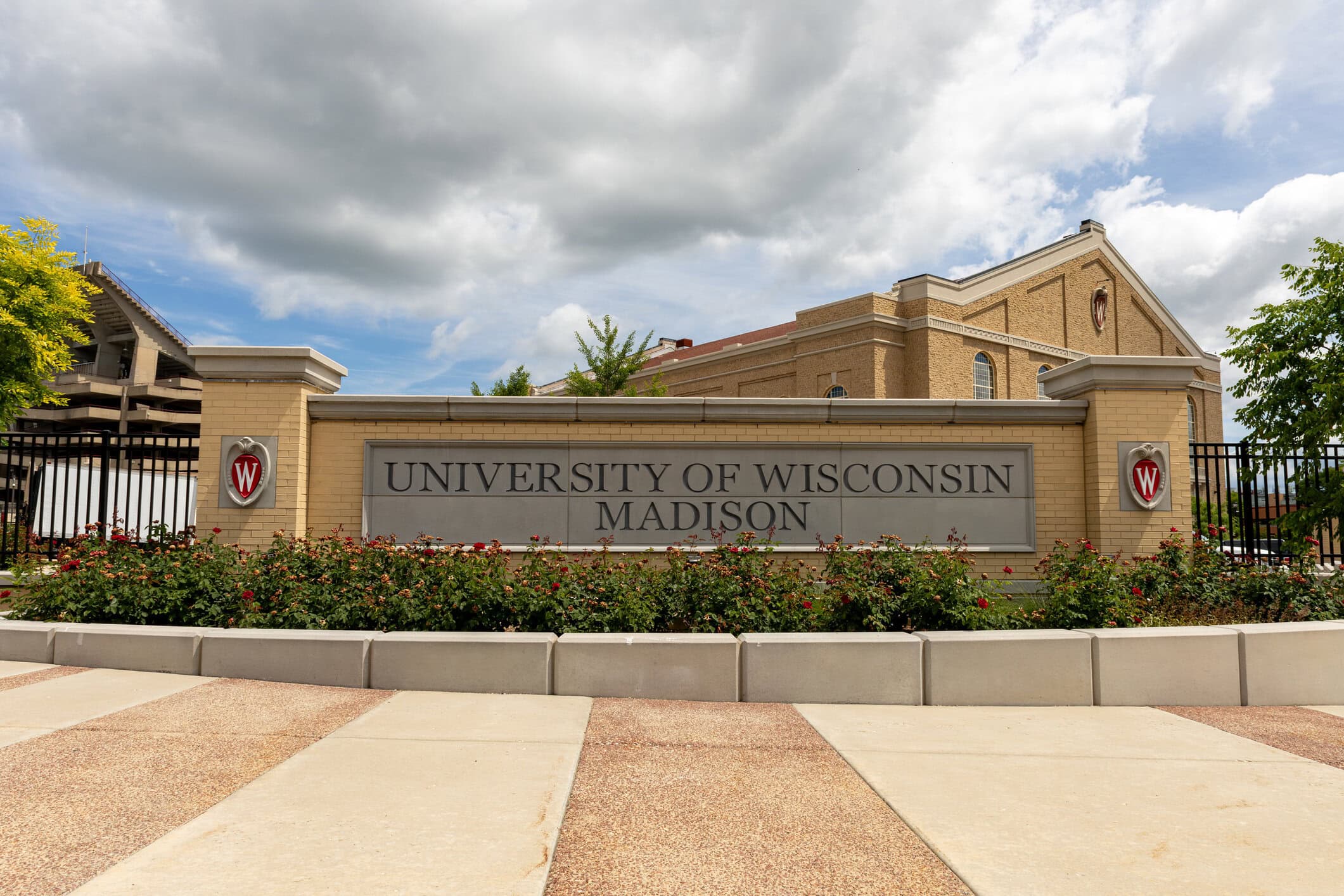
The UW System Board of Regents approved a 2% tuition increase for in-state undergraduates and a 2.8% increase in student housing costs for the 2026-27 academic year. The system recently received a $256 million increase in state funding. Despite this and previous tuition hikes, officials proceeded with additional increases across all campuses. This marks the fourth consecutive year of tuition hikes after a decade-long freeze.
The increase is expected to generate approximately $21.9 million in additional revenue. University officials stated the funds will support employee pay raises, inflation-related costs, veteran tuition remission, and student success initiatives. This proposal follows a 5% tuition increase approved for the current academic year.
Republican State Sen. Eric Wimberger criticized the plan, stating it shifts costs to students and families rather than addressing internal inefficiencies. He noted the UW System has added 2,400 non-faculty staff positions over the past decade while enrollment declined by 16,000 students.
Wimberger said eliminating what he called administrative overhead could free up nearly $750 million annually. “UW’s leadership is continuing to pass its payroll expenses onto students and their families, when it should be cutting its massive bureaucracy and reinvesting its funds to create a more valuable student experience,” he said.
GOP gubernatorial candidate Tom Tiffany also criticized the repeated increases. “The UW System received a $256 million increase in the last state budget. Then raised tuition 5% last year and is now proposing another 2% increase for in-state students this year,” Tiffany posted on X. He pledged to implement a tuition freeze and restore accountability if elected.
Many critics argue the Board of Regents, appointed by Democratic Gov. Tony Evers, has prioritized expanding bureaucracy and ideological programs over core educational missions. They point to growth in six-figure administrative and DEI-related positions.
The increases will affect students at all UW campuses, including both in-state and out-of-state undergraduates and those in university housing. Officials have not detailed the specific allocation of funds beyond general operational needs and required pay adjustments.
Critics argue that repeated tuition hikes undermine affordability for Wisconsin families and contradict the system’s claims of fiscal responsibility after receiving significant new state support. They call for leadership changes focused on reducing non-instructional staff rather than shifting expenses to students already facing rising living costs.
