


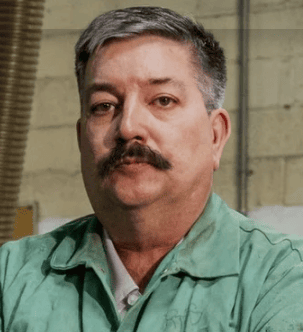
Randy Bryce, the Wisconsin ironworker and Democratic activist known as the “Iron Stache,” did not submit the required nomination signatures and will not appear on the ballot for the Democratic primary in Wisconsin’s 1st Congressional District. The filing deadline passed without Bryce qualifying, ending his latest attempt to challenge Republican Rep. Brian Steil.
Bryce announced his candidacy in May 2025, framing the race as a rematch against Steil. He previously ran in the 2018 general election after losing the Democratic primary that year. This cycle, he did not complete the required step of gathering and filing signatures to qualify for the August 11 primary ballot.
Bryce’s financial support has declined significantly since earlier campaigns. In the 2018 race against Paul Ryan, his campaign raised over $2 million early on, including more than $430,000 in the first 12 days, attracting national attention from progressive donors. By mid-2018, the campaign reported raising about $700,000 in a single quarter.
In contrast, Bryce’s 2026 campaign raised only about $46,000, according to JR Ross of WisPolitics. This shortfall highlights the significant decline in national donor enthusiasm that previously supported his campaigns.
Bryce rose to prominence in 2017 and 2018 with a viral video announcing his challenge to then-Speaker Paul Ryan. He adopted the “Iron Stache” persona as a union ironworker and Army veteran, earning endorsements from Bernie Sanders and widespread media coverage that depicted him as a working-class hero capable of flipping a longtime Republican seat. Bryce later claimed credit for Ryan’s decision not to seek re-election, telling supporters he had effectively “repealed Paul Ryan.”
After losing to Steil in the 2018 general election, Bryce’s visibility diminished. Subsequent efforts to regain traction generated far less attention and fewer resources. By 2026, he launched his campaign with limited organizational support and minimal donor interest.
The man who once positioned himself as the face of resistance to Republican leadership in Washington now failed to gain the basic support needed to qualify for the ballot in his home district. His failure to gather signatures or maintain fundraising demonstrates how quickly national attention can fade when early hype fails to translate into lasting local strength.
