


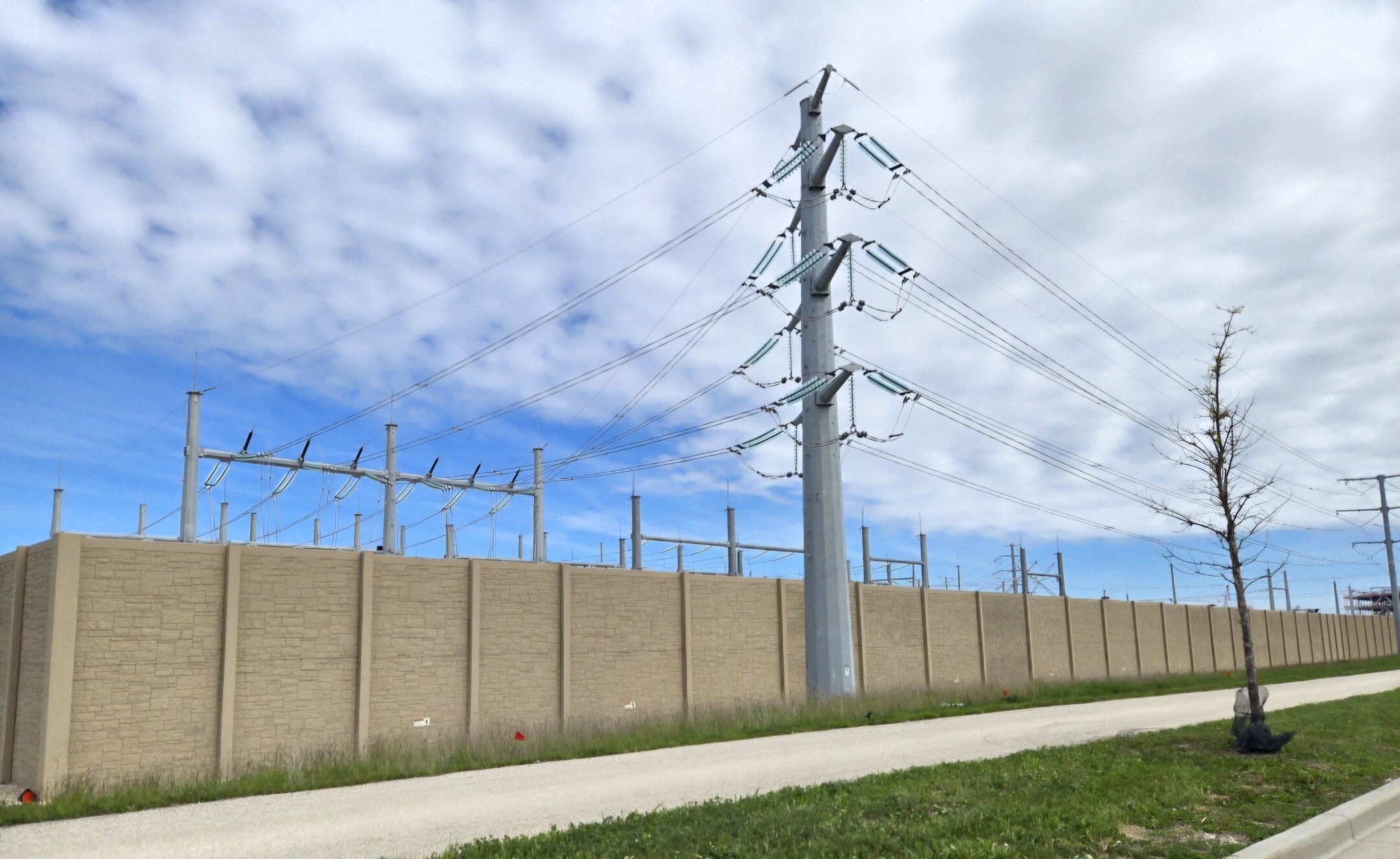
The data center issue is front and center in southeast Wisconsin, with Racine serving as ground zero in the debate. Conservatives themselves remain divided on the issue, with some alleging that Chinese-linked propaganda networks and online influencers are encouraging opposition to data center projects in communities like Racine and Port Washington.
What many of these pro-data center influencers fail to understand is that concerned residents simply want legitimate questions addressed. Most residents are not irrationally opposing development or technological advancements in the AI arms race. They are asking reasonable questions shaped by the lasting fallout of the Foxconn disaster.
After the Foxconn deal, residents in Racine are no longer interested in being told to “just trust big tech” or blindly accept massive corporate promises at face value. That experience fundamentally changed public trust, and it is exactly why many people are approaching the data center issue cautiously. Communities burned once by grand development promises are entirely justified in demanding transparency, accountability, and concrete answers before handing over more cash incentives, farmland and public resources.
As the debate over the Chicago Bears’ proposed stadium continues to dominate headlines, one key distinction often gets overlooked when comparing major development projects. An NFL stadium and mixed-use entertainment district come with more than a century of historical data, allowing policymakers and taxpayers to evaluate measurable economic outcomes, including visitor spending, job creation, tourism impacts, tax revenue generation, and surrounding commercial development.
Data centers, by contrast, do not offer the same depth of historical performance metrics. While proponents point to construction jobs, property tax revenue, and technological investment, large-scale data center developments remain a relatively new economic development model. Their long-term impact on local economies, energy infrastructure, housing markets, and public finances is still being debated in communities across the country.
For residents of Southeast Wisconsin, the question is not whether data centers create economic activity — they clearly do. The more important question is whether the public benefits justify the costs and tradeoffs. Unlike professional sports franchises such as the Chicago Bears, which have a century-long track record that can be analyzed and measured, data centers lack comparable historical benchmarks that allow taxpayers and local officials to confidently project long-term returns on investment.
Adding to residents’ concerns, We Energies is now seeking additional rate increases that could raise electric bills by roughly 14-15% over the next two years. At the same time, the Wisconsin Public Service Commission recently took the important step of strengthening protections for ratepayers by requiring large data centers to cover the full costs of the new generation capacity and infrastructure needed to serve their enormous energy demands. The PSC’s decision reflects a principle that should unite Wisconsinites regardless of where they stand on data centers: families, seniors, farmers, and small businesses should not be forced to subsidize some of the world’s largest corporations. If data centers are truly as economically beneficial as their proponents claim, then those projects should be able to stand on their own merits and pay their own way rather than shifting costs onto taxpayers and utility customers already struggling with rising energy bills. For the past two decades, Wisconsin residents and businesses have consistently faced some of the highest electricity rates and steepest price hikes in the Midwest, routinely exceeding both regional and national averages.
After what Racine County experienced with Foxconn, coupled with the sharp rise in energy costs (again), why should residents simply trust Microsoft to “do the right thing” based solely on corporate assurances and political promises? Not everyone in Racine shares these so-called pro-data center influencers’ unrelenting desire to genuflect at the altar of multinational corporate interests.
The Foxconn deal announced in 2017 promised a $10 billion, 20-million-square-foot LCD manufacturing campus in Mount Pleasant that supporters claimed would create up to 13,000 jobs and transform the region into a high-tech manufacturing hub, (televisions, computer monitors, laptops, tablets, and smartphones, etc.). The proposed campus was even described as approaching three times the size of the Pentagon. I was personally cheerleading this effort when it was announced, as it would bring thousands of jobs and exponential growth to an area that suffered massive losses when AMC, Case and other iconic American manufacturing jobs in the region were shipped overseas.
To secure the Foxconn deal, state and local governments offered billions in tax incentives and public subsidies, making it one of the largest corporate incentive packages in U.S. history. Local officials in and around Mount Pleasant and Racine used eminent domain and aggressive land acquisition tactics to assemble thousands of acres for the proposed campus. Some homeowners resisted selling, arguing they were being forced off generational farmland and family properties for a speculative project built on uncertain promises.
Critics described the process as devastating for longtime rural residents. Large stretches of productive farmland were cleared, roads rerouted, homes demolished, and infrastructure massively expanded in anticipation of a manufacturing boom that never fully materialized.
Over time, Foxconn repeatedly scaled back or altered its plans. The company failed to deliver the scale of investment and job creation initially advertised, while many of the promised manufacturing operations either changed dramatically or never came to fruition. Out of the original 13,000 jobs promised, nearly 12,000 jobs never happened.
The site became an unsightly symbol for critics of corporate overpromising, government overreach, and risky public-private deals negotiated behind closed doors. Opponents argued Wisconsin taxpayers were left subsidizing infrastructure and land redevelopment for a project that never delivered on its sweeping promises.
📸@corridorscanner
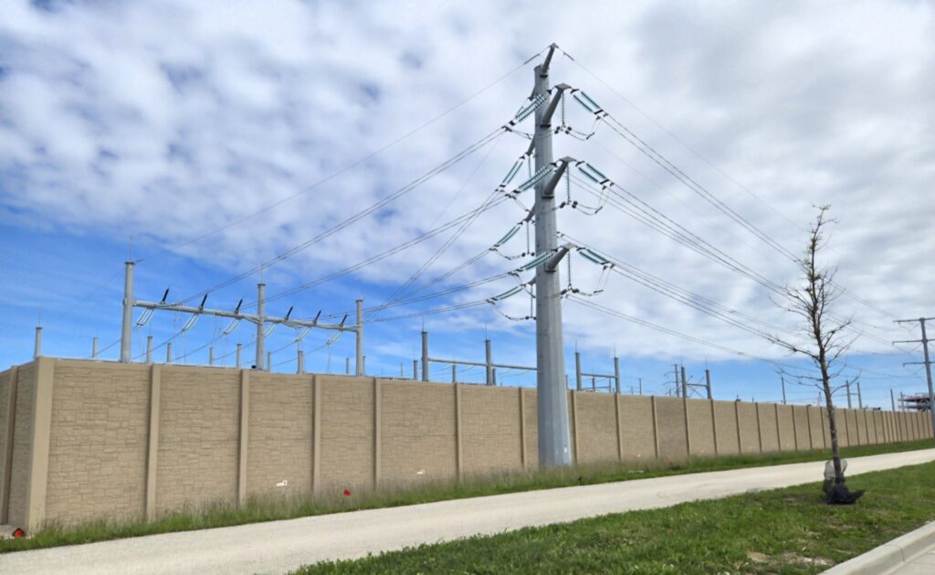
As of 2026, Racine County has been left with a massive void in the middle of once-pristine farmland confiscated in pursuit of the Foxconn deal. The site now serves as a daily reminder of a political and economic gamble that reshaped the community forever, leaving behind an indelible mark that cannot be erased.
The people of Racine County are still living with the consequences, including ongoing efforts to find businesses capable of taking over the enormous property (again, ~3x the size of the Pentagon is massive) after local residents paid dearly for the project. Although Microsoft can take over a good chunk of the land, the locals still have questions pertaining to the financial breakdown of the deal.
Racine County (along with the Village of Mount Pleasant) originally committed to Foxconn $764–$911 million in total local subsidies and infrastructure (primarily through a Tax Increment Financing/TID district). This covered land acquisition, sewer/water upgrades, roads, and other public improvements.
By 2021, local governments had already committed hundreds of millions of dollars toward the Foxconn project through land acquisition and infrastructure investments. Racine County alone issued approximately $110 million in taxable general obligation bonds — following earlier bond anticipation notes — to finance land purchases associated with the development. This is taxpayer-backed debt.
Local government ultimately had to acquire roughly four square miles of land – approximately 2,600 to 3,300 acres – for what became the Wisconsin Valley Science and Technology Park, much of which sat vacant for nearly a decade.
Racine is increasingly becoming a case study for every major data center project now under consideration across Wisconsin. Communities watching from across the state see a county still grappling with the fallout of Foxconn and are understandably asking whether state and local leaders have truly learned hard lessons from the past. The debate is no longer simply about economic development or water consumption. It’s about public trust, accountability, and whether residents will once again be asked to absorb the risks while corporations receive the rewards.
Most of the residents raising questions and concerns about these data centers are not radical environmental activists chaining themselves to bulldozers or protesting development for the sake of protest. Many ordinary taxpayers are concerned about whether the enormous energy demands required to power facilities like Microsoft’s data center will ultimately be socialized onto local residents through higher utility costs, infrastructure spend, or future public subsidies. Racine County is not particularly wealthy, and many residents are understandably wary of being left financially responsible for another massive corporate project.
Wisconsin leaders would be wise to remember the lessons of Foxconn before rushing headfirst into another massive development project built on pinky promises and projections. Tom Tiffany is absolutely taking the correct approach by acknowledging that residents have legitimate concerns about large-scale data centers, farmland preservation, socializing energy costs, infrastructure strain, and corporate subsidies. Listening to local communities instead of offering sweetheart deals to multinational corporations is not anti-growth – it’s politically smart and grounded in accountability. Southeast Wisconsin has learned an important lesson: economic development should create value for residents, not socialize costs while privatizing the benefits.
