


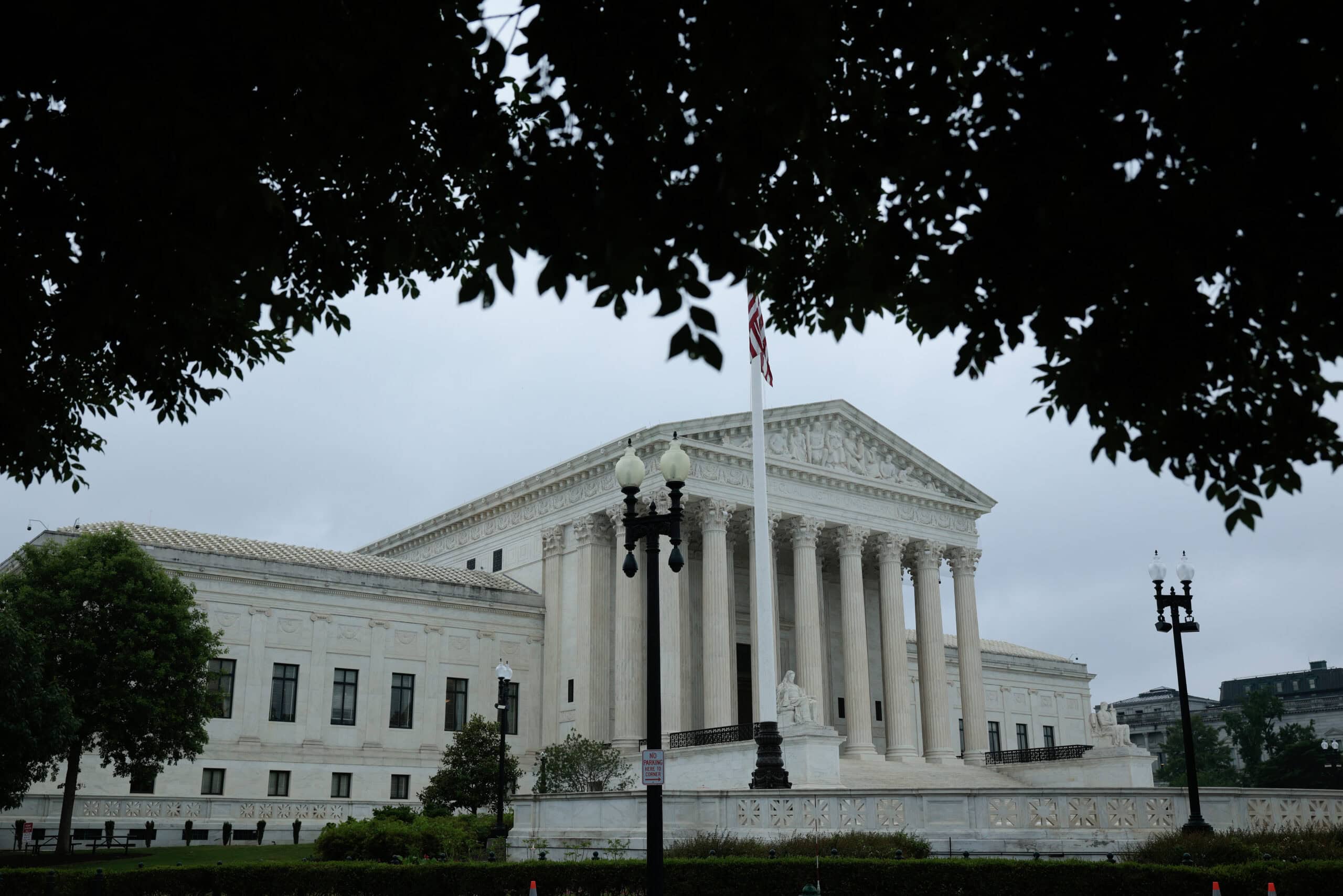
The Supreme Court on Tuesday upheld birthright citizenship in a 6-3 decision, striking down President Donald Trump’s 2025 executive order that sought to deny U.S. citizenship to children born in the country to parents who entered unlawfully or were present on temporary visas.
Chief Justice John Roberts wrote the majority opinion in Trump v. Barbara. He concluded that children born to such parents are “subject to the jurisdiction” of the United States and therefore “citizens at birth” under the 14th Amendment’s Citizenship Clause.
The executive order, signed on Trump’s first day in office in January 2025, directed federal agencies not to recognize citizenship for children born after a certain date if their parents lacked U.S. citizenship or lawful permanent resident status. Lower courts had blocked the order from taking effect. The Supreme Court heard arguments in the case on April 1.Roberts’ opinion relied on the clause’s text, English common law traditions of jus soli, the post-Civil War context that repudiated Dred Scott v. Sandford, the Civil Rights Act of 1866, and the 1898 precedent in United States v. Wong Kim Ark. The ruling means federal agencies must continue issuing citizenship documents and passports to children born in the United States regardless of their parents’ immigration status, with narrow historical exceptions such as children of foreign diplomats.
Justice Clarence Thomas dissented, joined by Justice Neil Gorsuch. Thomas wrote that the clause requires “complete jurisdiction,” meaning a person must owe allegiance to the United States alone and not to any foreign power. He argued the original meaning tied citizenship to domicile rather than mere presence on U.S. soil.
“A person is ‘subject to the jurisdiction’ of the government of his domicile,” Thomas wrote, citing Senate debates during ratification, including Sen. Lyman Trumbull’s explanation that “subject to the jurisdiction” means “Not owing allegiance to anybody else.” Thomas contended the clause was a remedial measure for freed slaves who had “no other homeland” and that it did not extend automatic citizenship to children of temporary visitors or non-domiciled aliens. He said the executive order aligned with that original understanding.
Justice Samuel Alito also dissented. He argued the majority erred by refusing to recognize modern circumstances, including large-scale illegal immigration unknown in 1868, as justifying additional exceptions to the broad jus soli rule applied in Wong Kim Ark, which he said was limited to children of domiciled parents.
The decision leaves in place the practice under which nearly all children born on U.S. soil receive citizenship at birth.
