


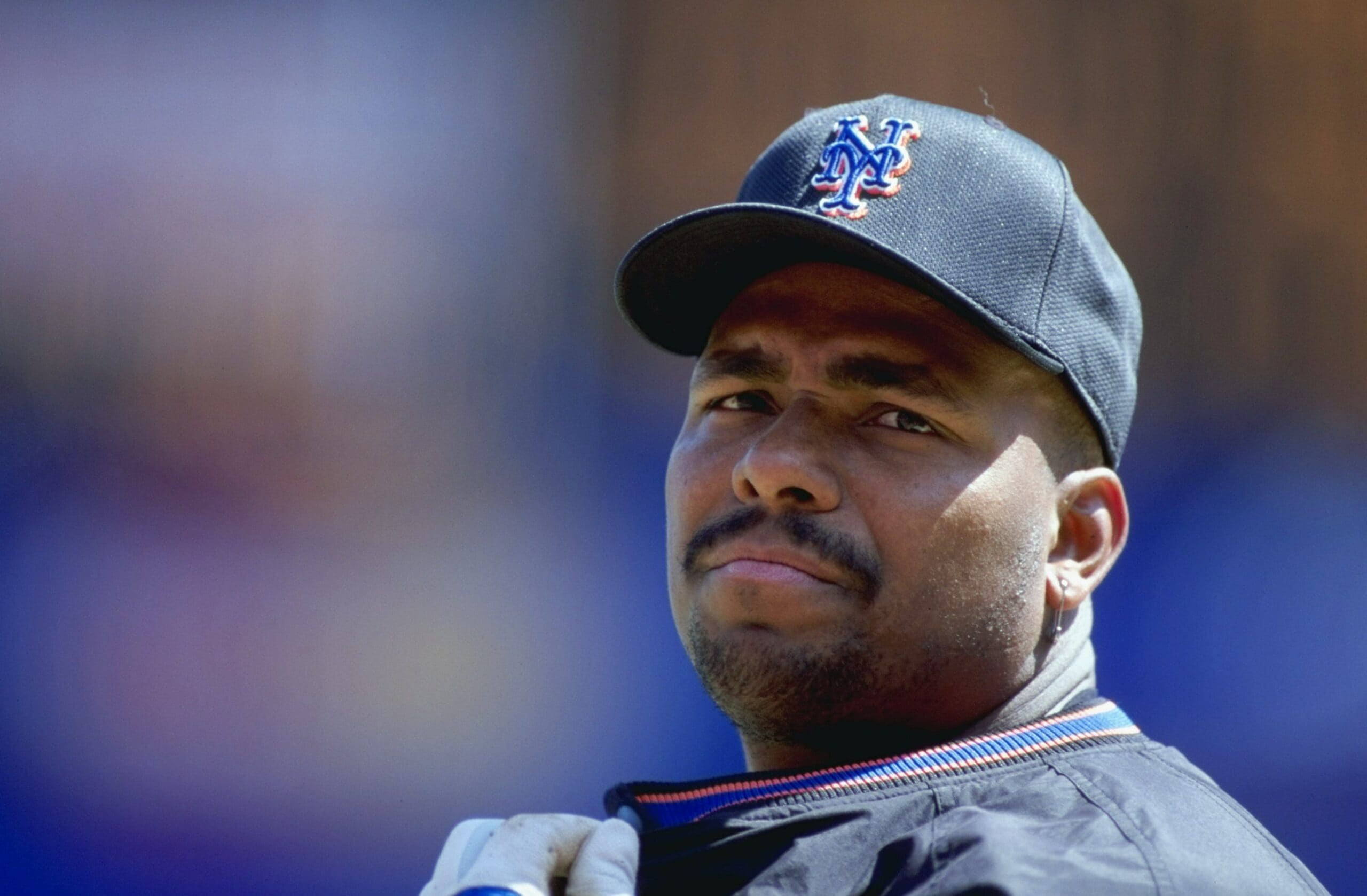
Every July 1, the New York Mets cut a check for $1,193,248.20 to former outfielder Bobby Bonilla. The payments, which run through 2035, stem from a deferred compensation deal struck when the Mets bought out the remainder of his contract in 2000. Rather than pay the $5.9 million they owed him up front, the Mets opted for a 25-year payout with interest, hoping to keep their cash flow nimble and maybe even outsmart the market with the money they kept. This resulted in total payments of approximately $29.83 million for Bonilla, up from the original $5.9 million contract. The Mets believed they could invest or use the $5.9 million immediately and earn higher returns (the team was heavily invested with Bernie Madoff, who promised 10–15% returns).
What started as a quirky yearly footnote has become a blueprint for something far more significant: professional athletes using deferred compensation, combined with strategic residency changes, to legally sidestep income taxes in high-tax jurisdictions.
This is no longer just about one oddball contract buyout. It is a growing trend that is reshaping how teams in high-tax states compete for talent — and it carries direct implications for Wisconsin’s Packers, Bucks, and Brewers.
The New Playbook: Defer Now, Relocate Later
Athletes and their agents have turned deferred compensation into a weapon of choice, especially when dealing with the tax-hungry regimes of California and New York. The playbook is simple: push the big money far into the future, often a decade or more, in equal payments. Thanks to a 1996 federal law, this ‘retirement-like’ income is shielded from state taxes once the athlete packs up and leaves the taxing state behind.
The most dramatic recent example came from Shohei Ohtani’s record $700 million deal with the Los Angeles Dodgers. He deferred $680 million, to be paid out from 2034 through 2043. If Ohtani establishes residency outside California by then, he could save an estimated $90–100 million in state income taxes. Multiple other Dodgers stars have similar deferrals totaling over $1 billion, stretching into the 2040s. Teams like the Mets and Boston Red Sox have also leaned heavily into large deferred structures.
The logic is straightforward and devastating for high-tax states: A player signs a headline-grabbing contract in California or New York, defers the real payday, then retires to Florida, Texas, or Tennessee, before the checks start rolling in. The high-tax state never collects a dime on the deferred income. Bobby Bonilla even takes advantage of this, living in Florida, which has no state income tax, and the spread-out payments help minimize certain “jock taxes.”
Residency planning already gives low-tax states a massive edge in free agency. Florida ranks as the top destination for pro athletes, followed by Texas and Tennessee. Real-world moves illustrate the savings:
- Tyreek Hill chose a three-year, $90 million deal with the Miami Dolphins over the New York Jets partly because living in Florida instead of New Jersey saved an estimated $9 million in state taxes.
- NHL Forward Mikko Rantanen turned down offers from his prior teams in Colorado and North Carolina to sign an eight-year, $96 million extension with the Dallas Stars in Texas, saving roughly $4 million in taxes.
- Grant Williams left the Boston Celtics (Massachusetts, with a 5% rate plus surtax) for a $54 million contract with the Dallas Mavericks — a deal effectively worth more after taxes than the Boston offer.
- Tom Brady’s move to the Tampa Bay Buccaneers after two decades in Massachusetts was influenced in part by Florida’s lack of state income tax, adding millions annually to his take-home pay, and a Super Bowl for Tampa Bay.
Low-tax states aren’t just winning on spreadsheets; they’re winning on the field. The data is clear: higher state income taxes mean worse teams because every extra dollar the government collects is a dollar not spent on talent. But don’t tell that to Francesca Hong, who recently attempted to draw a connection between the Knicks’ NBA championship and their new socialist mayor. Her cringey video celebrating the New York team’s win while tagging Wisconsin teams and implying socialist governance delivered the title has drawn a torrent of quote tweets and replies roasting it as peak theatre-kid performance and credit-stealing nonsense, cementing this as her Dean Scream moment destined to haunt her gubernatorial bid.
College Sports Joins the Tax Arms Race
The same dynamic is playing out at the college level through Name, Image, and Likeness (NIL) deals and now direct revenue sharing. Top recruits and transfer prospects are now doing the math on after-tax earnings before picking a school. Florida, Texas, and Tennessee programs have a built-in edge: their athletes actually get to keep what they earn.
Arch Manning, one of the highest-valued NIL athletes (at times valued at $5–7 million), committed to Texas over Alabama and Georgia. Staying in a no-income-tax state was estimated to save him hundreds of thousands annually compared to playing in Georgia or Alabama. Carson Beck’s transfer from Georgia to Miami carried similar tax math. Schools like UCF and Houston have openly marketed their no-income-tax status to recruits.
High-tax states are fighting back with legislation. Arkansas became the first to enact a meaningful fix with Act 839 (House Bill 1917), signed in 2025. The law exempts NIL earnings and direct university compensation/revenue-sharing payments from the state income tax, retroactive to January 1, 2025. The goal: level the playing field for Arkansas schools against no-tax states and boost SEC competitiveness.
Other states have tried and mostly failed so far. Mississippi’s House passed a similar exemption, but it died in the Senate. Georgia, Alabama, Illinois, Louisiana, South Carolina, and New Jersey have seen proposals for NIL deductions or exemptions, with varying degrees of success. The trend is clear: states are now competing through the tax code to attract athletic talent.
What This Means for the Packers, Bucks, and Brewers
Wisconsin, unfortunately, is stuck on the wrong side of the ledger. The state’s top income tax rate clocks in at 7.65 percent, and proposals from bumper sticker socialists for even higher “millionaire taxes” or new brackets on high earners surface regularly from progressive lawmakers.
Packers, Bucks, and Brewers players already face Wisconsin taxation on income earned while performing services in the state (the so-called “jock tax” adds another layer of complexity). Under the emerging deferred-compensation model, a star could negotiate a large contract with significant deferrals, play out his prime in Wisconsin, then retire and establish residency in Florida or Texas before the big payments arrive. Those future checks would then be received tax-free in the new low- or no-tax state — completely avoiding Wisconsin income tax and any additional millionaire surtax pushed by “bumper sticker socialists.”
This is not theoretical. Agents already advise clients on exactly these residency and deferral strategies. For Wisconsin teams, it creates a structural disadvantage. To compete for top free agents or retain their own stars, they may need to offer inflated nominal contracts to offset the tax hit — squeezing payroll flexibility under league caps. Meanwhile, teams in Florida (Dolphins, Buccaneers, Panthers, Magic, Marlins, and Rays), Texas (Cowboys, Texans, Mavericks, Stars, Rockets, Astros, Rangers, and Spurs), and Tennessee (Titans, Predators) enjoy both lower effective costs and their colleges have better recruiting pitches for athletes.
Tax Competition Works — High-Tax States Are Losing
This entire phenomenon is a textbook case of tax competition in action. Mobile, high-earning individuals, whether athletes, entrepreneurs, or retirees, respond to incentives. Florida, Texas, and Tennessee are winning because they do not punish success with income taxes on wages. High-tax states are left with two losing plays: jack up rates and watch more people flee, or carve out special exemptions for athletes and pretend the rest of their tax policy isn’t broken.
Wisconsin does not have to accept being a tax loser. It could follow Arkansas’s lead and pass targeted relief for NIL and revenue-sharing earnings to help the Badgers stay competitive in college recruiting. Or, better yet, Wisconsin could cut income taxes across the board—the kind of reform that brings in businesses, retirees, and, yes, pro athletes who might actually stick around.
Deferred compensation is not tax evasion. It is a smart, legal financial planning that uses contract flexibility and federal law to its fullest. Athletes create massive value with rare talent and real risk. They have every right to keep more of what they earn. That’s called freedom.
On this Bobby Bonilla Day, the Mets are once again cutting a check to a guy who hasn’t played since 2001. But the real headline isn’t the novelty—it’s that athletes and teams have maximized deferral as a battering ram against punitive taxes. High-tax states and the politicians who champion them can keep pretending it’s not an issue, or they can wake up, cut rates, and compete.
Wisconsin’s pro teams, and their fans, should hope state leaders pick competition over envy. The alternative? Watching more stars take their prime earnings and win championships elsewhere, or never show up at all.
