


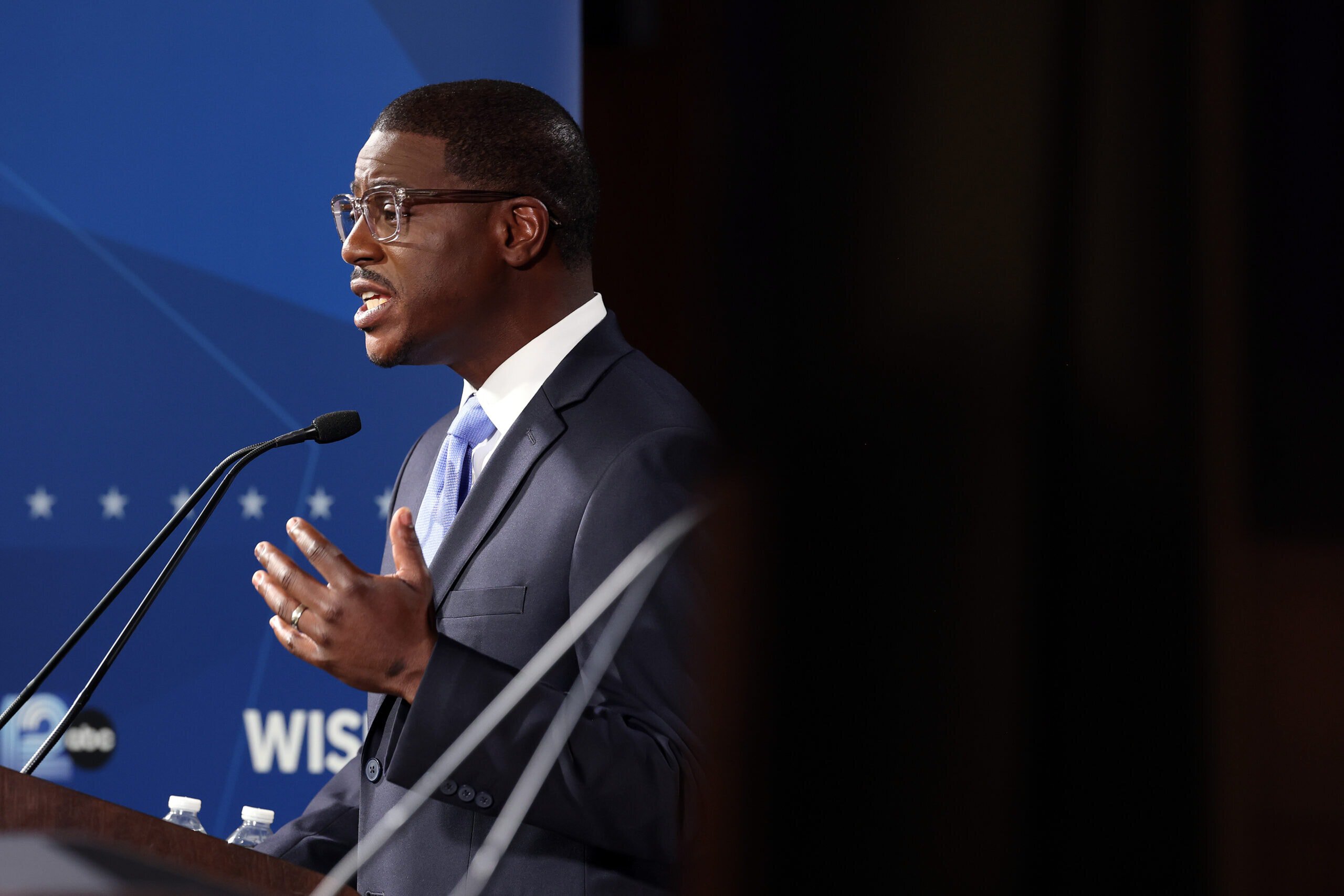
In Wednesday night’s only gubernatorial debate, Milwaukee County Executive David Crowley told voters he is “open” to tolling and new user fees to fund transportation. U.S. Rep. Tom Tiffany flatly rejected tolls, higher registration fees, and indexing the gas tax. Crowley views his position as pragmatism for road maintenance and construction costs.
For anyone who has lived with Illinois’ system, it is the exact opposite. This tax never goes away. It will continue to increase.
As a former Chicagoland resident who still carries the I-PASS when I cross the border, I know the numbers. Door-to-door commuting to work alone ran me $40-$50 a month. Add errands, doctors visits, grocery runs, visits to friends or family, and the total easily cleared $50-$100 per month. Chicago-area reports put typical moderate commuters at $45–$140 monthly and heavy I-90 or I-294 users higher still. If a driver doesn’t have an I-Pass, the fee is even higher, so naturally, Illinois residents are forced to opt into the system. Multiply that across a family of four with multiple vehicles and the annual hit reaches thousands of dollars–on top of gas, insurance, and registration. It is nothing more than a second tax on driving.
In August 2026, Illinois State Toll Highway Authority board unanimously approved a $26.5 billion, 15-year “Driving Connections” capital program funded by the first increase in roughly 15 years. Common mainline plazas that charge 75 cents with I-PASS will jump 45 cents to $1.20 starting January 1, 2027–a roughly 60 percent increase. Commercial rates rise about 30 percent.
Beginning in 2029, rates will adjust automatically every two years for inflation. The agency serves about 1.7 million daily users and already collects roughly $1.5 billion annually. Officials project the hike will generate up to an extra $1 billion a year. Average cost per mile for I-PASS passenger vehicles is expected to move from about 7 cents to 11 cents. The original promise of temporary tolls to pay off construction debt evaporated decades ago. The system continues to expand and costs continue to rise. And drivers have no choice in the matter so they are forced to pay.
Chicago still owns the Chicago Skyway (the short, high-volume link into the city) but in 2005 it leased toll operations for 99 years (until 2104) through Spanish, Australian, and Canadian pension-fund interests. Private operators collect the tolls and set the terms under the long-term lease. Public control is an illusion.
You might be saying to yourself–we desperately need this revenue for road construction projects because our roads are horrific. Yes, I feel the same. And it’s true–many our roads are in terrible condition and our infrastructure projects have been nothing short of a disaster in the last 8 years. However, building a costly tollway system to pay for these projects is a complete smoke and mirrors gambit. Once again, case in point: Illinois.
This particular area (North Shore/Skokie) has been perpetually under construction for FOUR YEARS. If you think the tollway system will solve the infrastructure problem in Wisconsin, think again. This will only lead to interminable road construction projects that will mysteriously never have enough money to complete. Why, you ask? Because “if you think the problems government creates are bad, just wait until you see its solutions” (Thomas Sowell).
The benefits do not materialize as promised. Congestion persists and the construction never ends. The capital plans for the Illinois I-Pass program have ballooned from $15 billion to $26.5 billion. The costs are never frozen. Gov. J.B. Pritzker (a major Democratic donor) has enacted dozens of tax and fee increases. Reports document roughly 63 tax and fee hikes and a cumulative state tax burden increase measured in tens of billions.
Truth in Accounting has graded the state’s fiscal health an F, citing large unfunded obligations and a taxpayer burden in the mid-to-high $30,000s per resident. Credit rating agencies note some progress, yet long-term structural problems persist. This is the exact business model Crowley is bandying about bringing to Wisconsin.
Many of Wisconsin’s roads are in terrible shape, and both parties must ensure this problem is a top priority. No, it’s not “because of the weather.” It’s been this way for years. A recent TRIP report found that rough, congested, or inadequately safe roads cost Wisconsin drivers $9 billion a year, and more than $3,400 per driver in some areas, through extra vehicle wear, crashes, and delays. About 42 percent of major locally and state-maintained roads are in poor or mediocre condition.
WisDOT has projected an average annual gap of roughly $313 million just to preserve the condition of existing state roads. Wisconsin roads ranks near the bottom nationally in some metrics. Sidewalks, bridges, and local roads lag in places. I sat in a bipartisan roundtable this week where Democrats and Republicans both agreed the worst stretches are largely a state funding and priority problem, not something local governments can fully solve. In the last decade the deterioration has been indisputable.
Tolls will not fix this. They create a permanent revenue stream that, like school funding, is never “enough.” Wisconsin public-school spending per pupil has climbed into the high teens of thousands of dollars in recent years and sits near historical highs even after inflation in some analyses, and yet districts continually return for more funding.
The same logic applies to roads. Once a toll system exists, the capital wish-list expands and the rates ratchet upward. Construction of a new toll network would itself be enormously expensive, and the the tolls never sunset. The initial toll equipment and camera installation costs alone are in the millions. Wait a minute–I thought we were all supposed to hate license plate readers? (And in certain circumstances, I do). But what exactly do you think a tollway system is? A giant license plate reader. Don’t believe me? Bypass the first tollbooth across the Illinois border without paying and you can expect the bill in the mail within 2 weeks. The state of Illinois will always find you.
Tiffany has said he will fund transportation through the regular budget process and return the state’s roughly $3 billion surplus through lasting tax relief rather than new fees. Crowley says he’s open to the very system that has locked Illinois drivers into yet another long-term tax. Wisconsin still has a completely toll-free highway system. That is an advantage, not a deficiency. Voters should demand both parties focus on prioritizing and reforming existing transportation dollars, in conjunction with protecting the surplus for taxpayers, and rejecting a permanent tax hike that will mushroom into a program that financially decimates our state–the exact same Illinois inspired business model used by Tony Evers’ to increase our property taxes for next 400 years.
Don’t believe me? Ask anyone who regularly drives in the Chicago area for their opinion on the tollway system. I’ll bet their answer includes “expensive, it never stops rising, and it is just another tax.” Trust me Wisconsin- we cannot afford to implement this system. I don’t care which party proposes it. This is a terrible idea. Full stop.
