


Milwaukee County officials call it compassion. Taxpayers have every right to call it a scandalous failure of priorities.
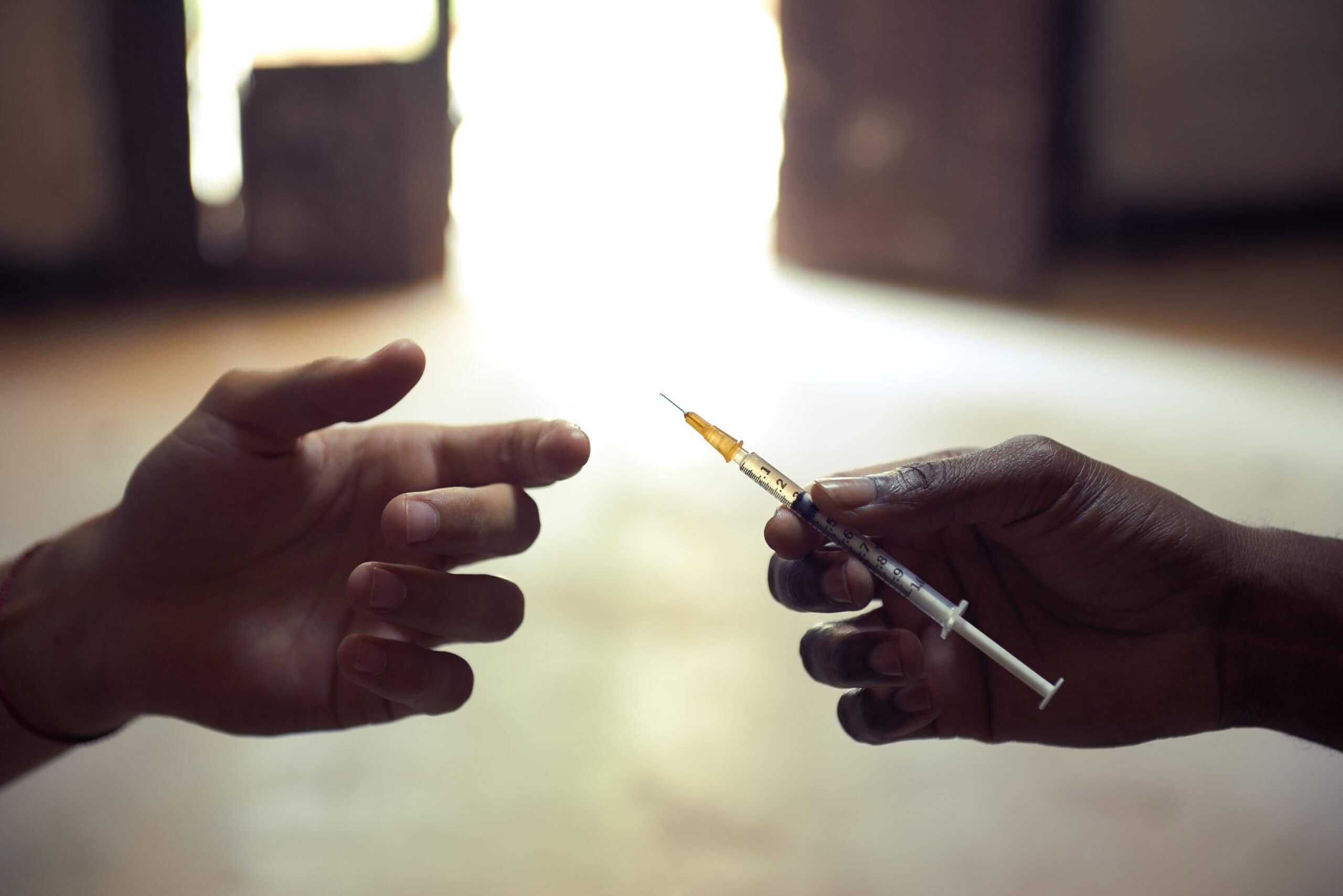
Under County Executive David Crowley, the county government has found the money, manpower, and infrastructure to distribute harm reduction supplies through vending machines and residential delivery. The county says its program provides products intended to reverse overdoses, test drugs, secure firearms and medications, and reduce other dangers associated with drug use.
The Heartland Post reports that county-supported services also provide access to kits containing syringes, tourniquets, cookers, and antibiotic ointment, along with condoms and dental dams.
Meanwhile, Milwaukee families are watching drugs like heroin and fentanyl tear their loved ones apart.
The government can help send supplies to someone’s doorstep, but why is there no urgency to send a counselor? Where is the intervention specialist? Where is the guaranteed rehabilitation bed? Where is the recovery professional prepared to fight for someone before another family is destroyed?
Narcan saves lives. Preventing an overdose matters. But Milwaukee County cannot distribute supplies, manage the consequences of continued drug use, and then demand applause for showing compassion.
That is not a war against addiction. It is government-financed surrender to it.
The Crowley administration has created vending machines, websites, instructional materials, and a residential delivery system. Yet taxpayers are still waiting to see the same determination applied to immediate treatment, rehabilitation, and long-term recovery.
This administration wants credit for helping people survive another overdose while failing to prove that its policies are helping them become sober.
Recent scientific studies support this: in 2022, researchers from the National Bureau of Economic Research reported in the Journal of Public Economics that programs such as Milwaukee County’s actually “increase rates of opioid related mortality and hospitalizations.”
Those findings should trigger hard questions, not more bureaucratic talking points.
Milwaukee County can put drug-use supplies in a vending machine. It can arrange delivery to someone’s home. It can build websites and produce instructions explaining how to use products.
But can it guarantee someone a treatment bed?
Can it send a recovery specialist to that person’s door?
Can it prove that recipients are entering rehabilitation, completing treatment, and rebuilding their lives?
That is where the Crowley administration’s claims of success begin to collapse.
Narcan can reverse an overdose, but it cannot cure addiction. A vending machine can dispense a product, but it cannot restore a shattered family. It cannot arrange transportation to rehabilitation, help someone find employment, or follow up the next morning.
It can only dispense another product.
That is not recovery. It is government-managed addiction masquerading as progressive public policy.
The immigration issue raises additional questions. The Heartland Post reports that Crowley said Milwaukee County does not check legal status when providing health and human services.
“We do not check legal status for health and human services,” Crowley admitted in a recent video announcing the launch of Milwaukee County’s Community Resource Hub website, which also provides legal services for illegals. “We’re gonna continue serving our residents, and we’re gonna provide the critical resources and programs that folks need.”
The available information does not establish how many undocumented immigrants have received these particular supplies. But if immigration status is not checked, taxpayers deserve a direct explanation of the eligibility requirements, costs, tracking procedures, and safeguards against waste or abuse.
How much is being spent? How many kits are distributed? How many recipients are offered treatment? How many ultimately escape addiction? Why is the county serving illegal immigrants?
Taxpayers are not cruel for demanding answers. We are not heartless for asking whether public money is treating addiction or merely accommodating it.
Opioid response grants, substance abuse funding, and opioid settlement money should be used with urgency, discipline, transparency, and measurable results. Success cannot be defined by the number of machines installed, kits distributed, or government press releases issued.
Success must be measured by how many people recover.
Enough with the excuses, fashionable buzzwords, and self-congratulatory speeches. David Crowley owes taxpayers a complete accounting of what is being distributed, who qualifies, what it costs, and how many recipients are moved into treatment.
Saving someone from an overdose should be the beginning of intervention, not the end of the government’s responsibility.
Real compassion fights for sobriety. It provides rehabilitation, counseling, recovery coaching, employment assistance, and relentless follow-up. It refuses to abandon people to drugs like heroin and fentanyl.
The goal cannot be safer addiction.
The goal must be freedom from addiction.
If Milwaukee County can deliver drug use supplies to someone’s doorstep, it can deliver treatment, intervention, and accountability there, too.
Stop counting the kits. Start counting the people who recover. Until Milwaukee County proves that its program is leading people out of addiction, this is not a compassionate government. It is a taxpayer-funded surrender wearing a public health disguise.
