


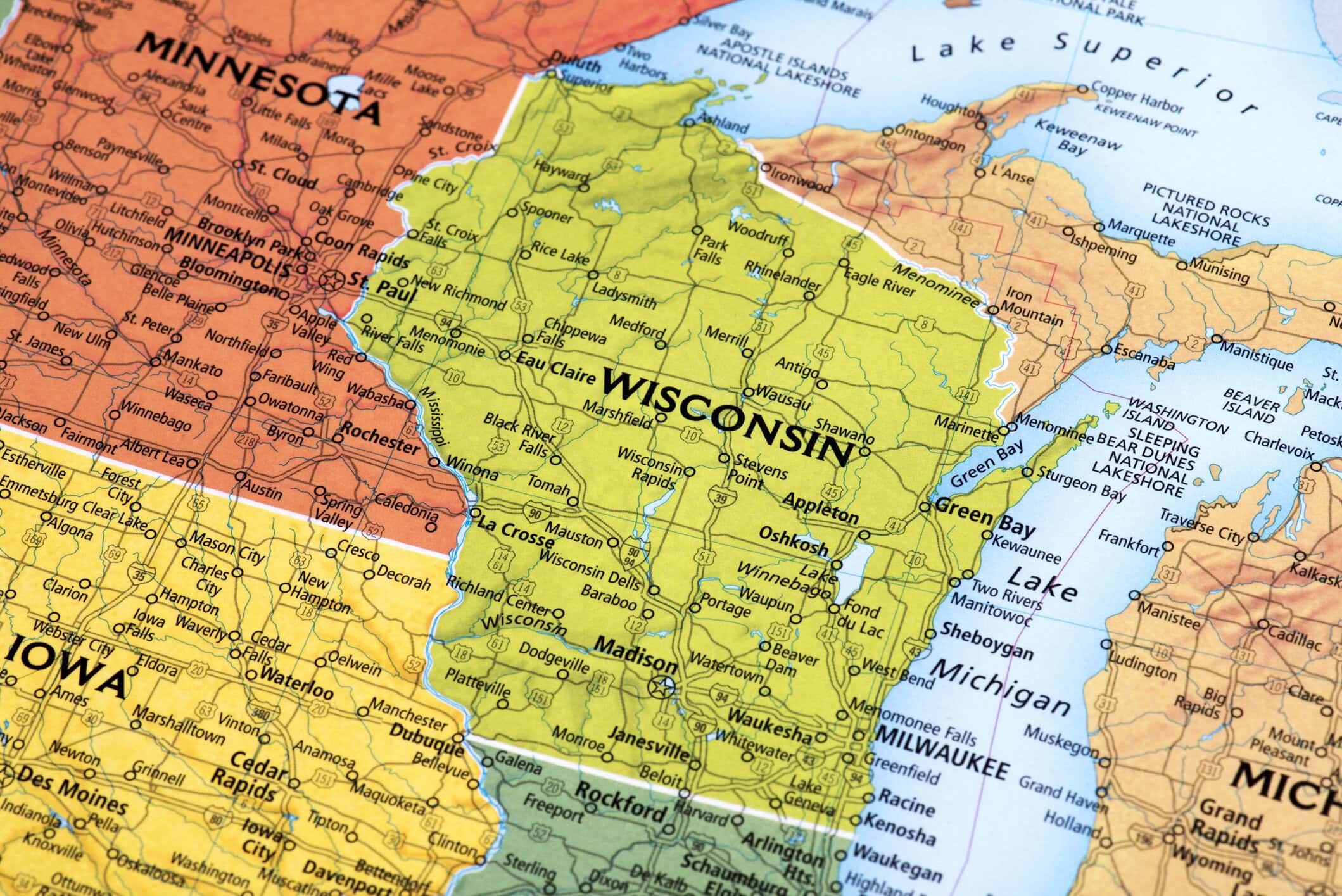
Conservatives have been warning for years about turning this state into its leftist neighbor to the northwest. Elizabeth Wolnik dives into just how badly Minnesota is suffering under liberal rule and how Wisconsin can avoid the same fate.
The phrase captures a growing concern about rising taxes, unchecked spending, and government overreach. Wisconsinites should take November’s election seriously because the consequences of one-party control can come quickly, as we’ve seen just across the border.
The warning signs for taxpayers begin with fraud and mismanagement. The most infamous example is the Feeding Our Future scandal, where $250 million in federal child nutrition funds were allegedly stolen through a network of fraudulent sites claiming to serve meals to children during the pandemic. At the center of that scheme was a single nonprofit that accounted for tens of millions of dollars, with fabricated attendance records and nonexistent meal distributions, according to federal prosecutors.
But that case isn’t isolated. Minnesota has also faced scrutiny over fraud in other public programs, including childcare assistance and pandemic relief funds. “Reports have highlighted weak oversight systems that allowed bad actors to exploit taxpayer-funded programs for years before being caught. When government grows quickly without strong accountability, waste, fraud, and abuse tend to follow.”
State spending offers a similar warning. After gaining full control of state government, Minnesota’s DFL majority spent down an $18 billion surplus on new programs and one-time spending commitments. Now, the state faces projected deficits and increasing pressure to raise taxes on families and small businesses to sustain its spending habits.
Energy policy offers another cautionary tale. Minnesota’s “Clean Energy by 2040” mandate requires a rapid transition to carbon-free electricity, with aggressive benchmarks by 2030, despite ongoing challenges with transmission infrastructure, energy storage, and grid reliability. The likely results are higher utility costs and increased reliability concerns, particularly during extreme weather. Governor Evers has proposed a similar 2050 goal for Wisconsin. Under unified Democratic control, such proposals could quickly become binding mandates.
Education policy follows the same pattern. Minnesota’s so-called “historic” school funding was actually one time funding that came with over 50 new mandates that have strained local district budgets. In Wisconsin, where school funding debates are closely tied to property taxes and local control, similar top-down mandates would drive up costs for families while limiting flexibility for communities. Minnesota has limited opportunities compared to Wisconsin when it comes to education freedom. Democrats in Wisconsin have proposed time and time again to restrict school choice, reducing options for parents seeking the best fit for their children. Minnesota’s education landscape demonstrates that this threat should be taken seriously.
Then there is the massive expansion of government. Minnesota has rolled out programs like taxpayer-funded college initiatives and cash assistance pilots. While marketed as relief, these programs create long-term budget obligations and raise concerns about sustainability, workforce participation, and program integrity. Without firm guardrails, taxpayers are left exposed.
Even smaller policies reflect a growing willingness to regulate everyday life. Minnesota lawmakers have proposed restrictions on gas-powered lawn equipment, imposing costs and practical challenges on homeowners. These kinds of mandates may seem minor individually, but together they signal a broader trend toward increased government control and less choice for consumers.
“But most striking of all is how quickly these changes occurred. Minnesota’s policy shift didn’t take decades. It took just a few years under one-party control.”
Wisconsin voters should take note. The promises being made today will have to be paid for tomorrow, and the choices are always the same: cut spending or raise taxes. So far, the path taken in Minnesota has leaned heavily toward higher costs for taxpayers.
Wisconsin can chart a different course. But that requires recognizing the risks, learning from our neighbor’s experience, and making deliberate choices now before those same policies take hold here.
