


Hesselbein’s “death with dignity” bill echoes laws elsewhere that began narrowly but expanded rapidly, with reports of deaths driven by poverty, housing shortages, and inadequate health care.
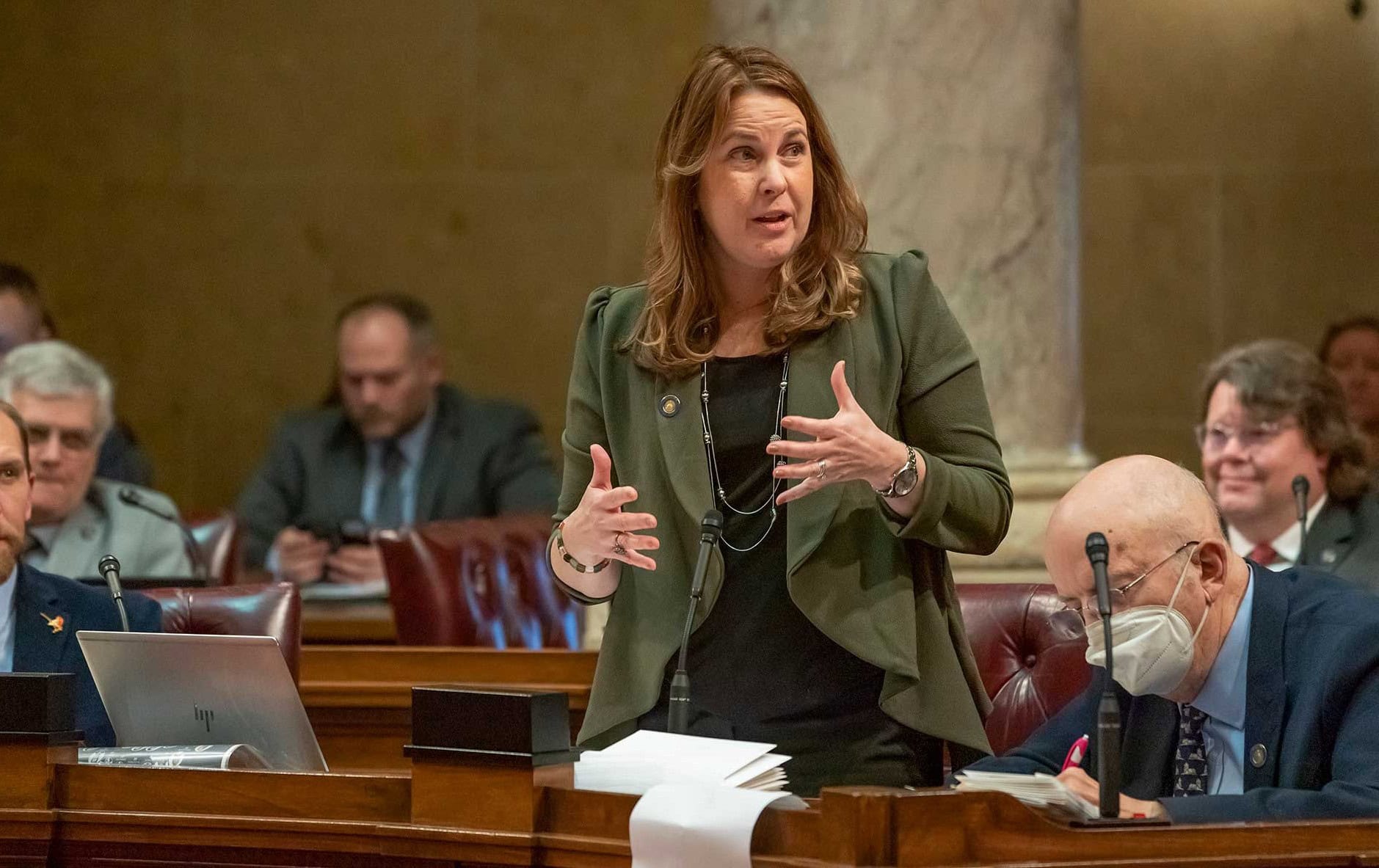
State Sen. Dianne Hesselbein, D-Middleton and Senate Democratic leader, has made legalizing assisted suicide for terminally ill Wisconsinites her top legislative priority, declaring in a recent video that it offers compassion and autonomy for those experiencing severe suffering.
In the Facebook video, Hesselbein, who has sponsored similar “Death with Dignity” measures since 2015, frames the proposal as a humane option for mentally competent adults diagnosed with a terminal illness and a prognosis of six months or less to live. She references success in over a dozen U.S. states and the District of Columbia, stating these laws have operated without abuse.
The latest version of the bill, circulated for co-sponsorship in February, would allow qualifying patients to request a prescription for self-administered lethal medication. Supporters describe it as a personal choice that prevents prolonged suffering when palliative care is insufficient.
Opponents, including disability-rights advocates, medical ethicists, and some palliative-care physicians, argue a bill like this could be a slippery slope. What begins as a narrow safeguard for the terminally ill often expands to include non-terminal conditions, mental illness, and deaths influenced by social and economic hardship rather than by disease alone.
Canada’s Medical Assistance in Dying (MAiD) program, introduced in 2016 for individuals with a “reasonably foreseeable” natural death, expanded in 2021 to include non-terminal disabilities and chronic illness. By 2023, MAiD accounted for over 15,000 deaths, or approximately 4.7 percent of all deaths nationwide, and the number increased the following year. It is now the fifth-leading cause of death in Canada.
Coroners’ reports from Ontario and other provinces have documented cases where patients sought MAiD not solely because of terminal illness but because of poverty, unaffordable housing, inadequate disability support, or loneliness. Veterans with post-traumatic stress disorder have been offered MAiD instead of further treatment or services. In some cases, hospital staff discussed assisted death as an option when addressing high daily care costs, sometimes exceeding $1,500, leading to accusations of coercion.
Critics point to a “Track 2” category for individuals whose deaths are not reasonably foreseeable. Data indicate disproportionate representation among lower-income and housing-unstable individuals, people with disabilities, and women. Some patients with untreated mental illness, addictions, or unclear diagnoses have still received approval. A British Columbia family is suing after a relative with bipolar disorder and chronic pain allegedly received MAiD during a hospital day pass.
In Oregon, the first U.S. state to legalize physician-assisted suicide in 1997, the law remains limited to terminal illness. Yet even there, some patients have reported being denied Medicaid coverage for potentially life-extending treatments while the state covered the cost of lethal medication. Fear of becoming a burden on family is among the most frequently cited reasons for requesting these drugs.
Opponents argue that the principles of “autonomy” and “relief from suffering” are difficult to limit. They contend that once physician-assisted death is accepted as a medical solution, there is pressure to expand eligibility. In the Netherlands and Belgium, laws have broadened to include psychiatric conditions, dementia, and, in some cases, minors. Both countries have permitted euthanasia for individuals who are not terminally ill but report their lives are unbearable.
Disability advocates in Wisconsin and across the country argue that legalizing assisted suicide suggests some lives are not worth supporting. They also note that investment in palliative care, home-based services, and disability supports has lagged in jurisdictions where assisted dying is legal and widespread.
Hesselbein’s legislation has not received a committee hearing in over a decade despite repeated introductions. However, the senator’s recent video and renewed efforts indicate that Democrats plan to keep the issue in focus and will make it a priority should they win the majority this November.
Experiences from Canada and elsewhere serve as a cautionary tale: what begins as a narrowly defined “compassionate” option can expand significantly, with consequences for vulnerable populations that are difficult to reverse.
