


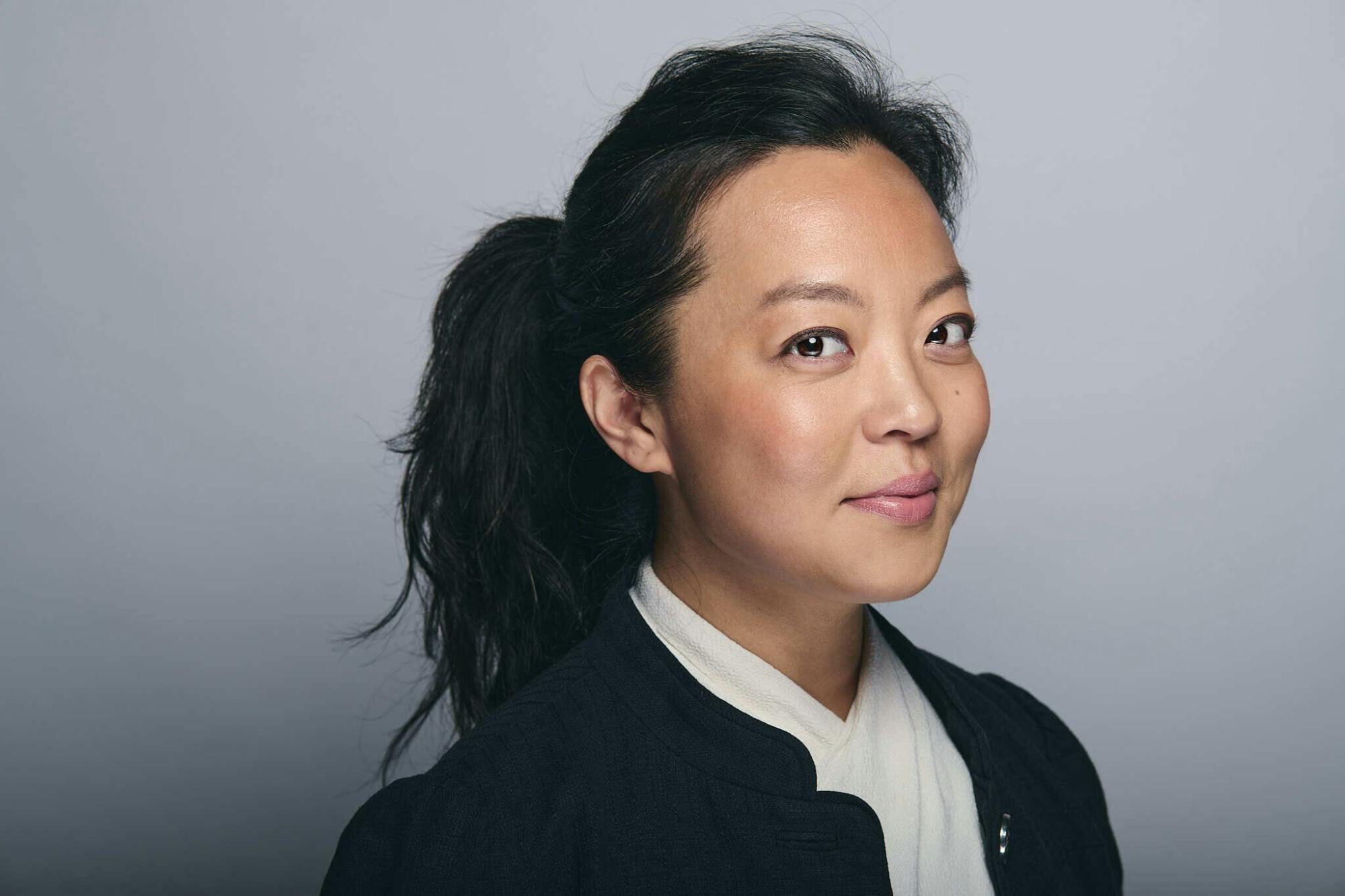
In Tuesday’s debate, Francesca Hong, Democratic Socialist backed candidate for Governor, answered questions regarding her tax plan and what it means to “tax the rich”.
Hong answered that she would increase the highest tax rate by about a percent, from it’s current 7.65% to about 8.6%.
The problem with her answer, however, is that just four months ago as a member of the State Assembly, Hong was a lead author of legislation that would increase taxes by much more than a percent. Assembly Bill 1209, introduced in March 2026, would create a new tax bracket at 17.3%.
The bill, co-authored with Reps. Ryan Clancy, Christian Phelps and Amaad Rivera-Wagner, would apply the new 17.3% rate to single filers earning at least $750,000 and married couples filing jointly earning at least $1 million, rising to 17.7% in future years. That is more than double Wisconsin’s current top rate, and more than nine points higher than the 8.6% figure Hong offered on stage Tuesday night.
It would also be the highest tax rate in any of the fifty states. The highest tax rate in the country.
The gap raises questions about whether Hong was describing her actual policy preference or a more politically palatable version of it for a general audience.
Is she now suddenly afraid that jacking Wisconsin’s top tax rate is too radical for Wisconsinites and she feels the need to backtrack? At the end of her rambling answer, she did reference that her tax increase would supposedly cut property taxes but that math doesn’t work.
Wisconsin’s Democratic primary has increasingly become a proxy fight over how far the party should move to the left on a variety of policies, including taxes.
Tuesday’s debate, held at Marquette University and moderated by WISN 12’s Gerron Jordan and Matt Smith, was billed as the only televised meeting between the five Democratic candidates before voters head to the polls. Recent polling has shown Hong leading the crowded primary field, making scrutiny of her policy record increasingly relevant to voters weighing her electability in a general election.
The disparity between Hong’s public messaging and her actual legislative record is likely to follow her for the remainder of the campaign. We know we will be looking at in much greater detail in the days to come.
