


The 2022 Playbook No Longer Fits
Two cycles ago Mandela Barnes ran as the clear progressive choice. Democrats cleared the primary lane for him. He carried the banner of the activist left into the general election against Ron Johnson. The race stayed close for a while, but the outcome was never really in doubt once voters focused on the progressive record that they were bombarded with continuously by the Johnson campaign. Those ads hurt Barnes image and he lost.
Fast forward to 2026 and his lane has changed. Francesca Hong now holds the progressive ground in the Democratic primary for governor. Barnes finds himself running without that automatic base. So he is trying something different and it might work.
A Softer Image and New Issues
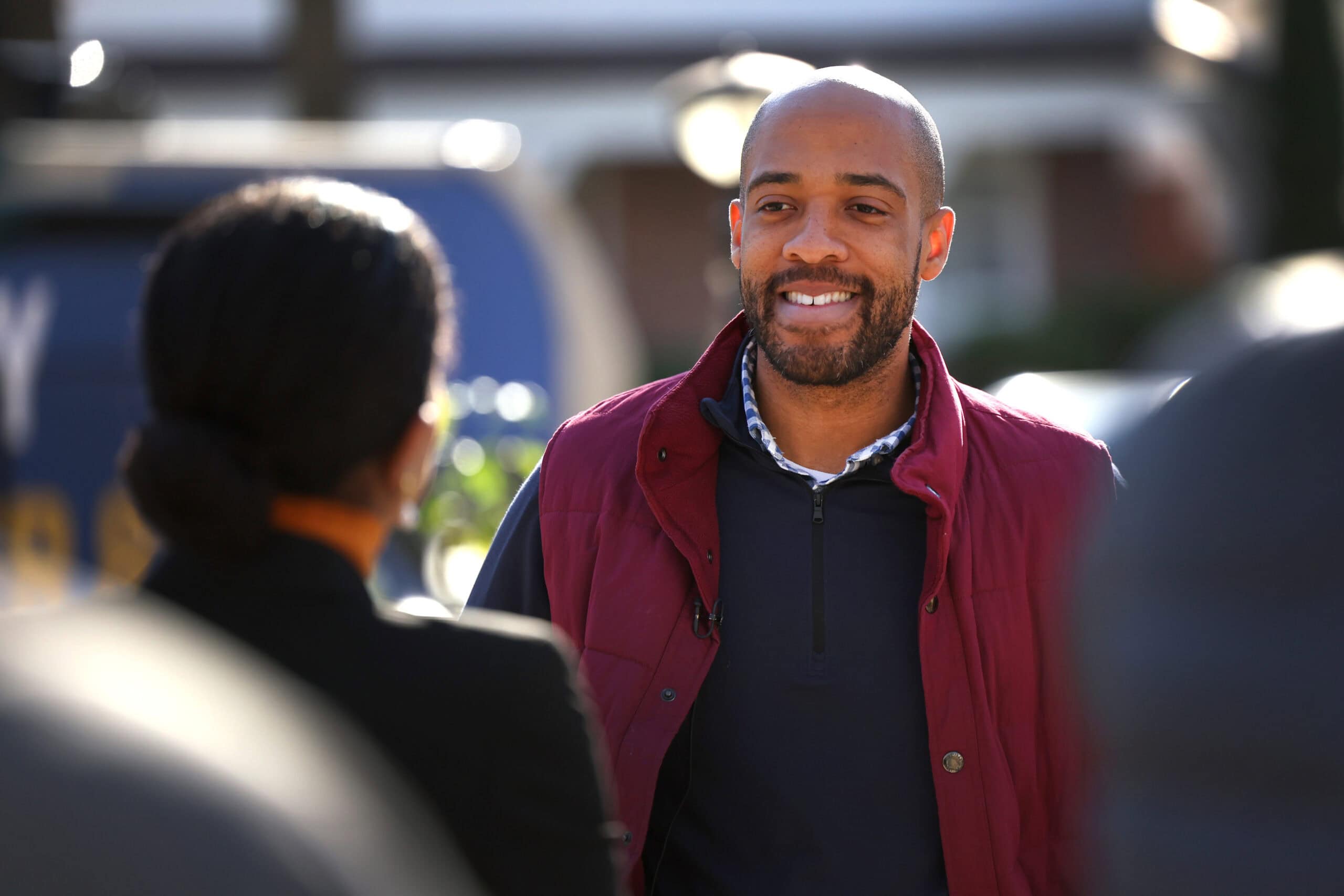
This week Barnes stood at a dairy farm and rolled out an agricultural agenda. He talked about going after meatpacking concentration, helping smaller processors, and giving farmers a right to repair their own equipment. He called for tax credits to keep farmland in family hands and limits on foreign purchases of Wisconsin soil. He took shots at the Trump administration on tariffs and promised to sue for refunds.
Some of these ideas sound familiar. Right-to-repair language and restrictions on foreign farmland ownership have appeared in Republican bills that Governor Evers vetoed. Barnes now presents them as fresh Democratic solutions. The timing, one day before President Trump visited Chippewa County to talk rural opportunity, was not accidental.
He is also testing populist language on artificial intelligence. Instead of the simple call for a blanket moratorium on data centers, the new messaging frames AI protections on this like grocery store price gouging. He is hitting on the main issues without need to race to the left.
Name ID Without Enthusiasm
A Marquette University Law School Poll tells the real story. Barnes still leads every other Democrat in name recognition. More than half of voters know who he is. That is a clear advantage in a crowded primary.
Yet support remains soft. In the March survey Hong sat at 14 percent among Democratic primary voters while Barnes registered 11 percent. Sixty-five percent of those voters remained undecided. Earlier polling showed the same pattern. Barnes carries the highest unfavorable rating of the top candidates. Voters know the name. They have not warmed to the man.
High name ID without corresponding support is a dangerous combination. It creates the illusion of strength while the actual coalition stays narrow.
Money, Votes, and the Calendar
The next campaign finance reports will show whether donors believe the rebrand is working. Barnes will need to prove he can raise real money without party leaders clearing a primary for him in his 2022 run. A strong quarter could quiet the skeptics for a moment.
The next Marquette poll will matter more. If Barnes cannot move his support numbers from Hong, another candidate could walk away with the primary. With each passing day,, the primary math gets difficult fast. The August 11 primary does not leave much runway for slow climbs.
Democrats keep hoping that familiarity plus a few borrowed issues will be enough. History in this state suggests otherwise. Voters who rejected the progressive version of Barnes are not automatically lining up for a moderated version that still carries the same liabilities.
The Fundamental Question
Barnes has more name recognition than any other Democrat in the field. He has adjusted his tone and picked issues that test better in rural counties. The open question is whether they are enough to overcome the gap between recognition and actual support.
A nominee who cannot convert name ID into votes or money could struggle in November no matter how many dairy farms he visits. The data so far says the old problems remain.
