


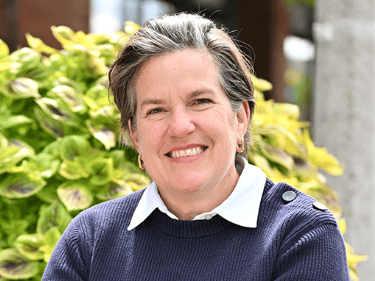
In a Democrat primary field dominated by far-left candidates like socialist Francesca Hong, who vows to abolish the police and prisons, and Kelda Roys, who is pledging to destroy the country’s oldest school choice program, Missy Hughes is carving out a distinct lane by doing something unthinkable in a Democratic primary in the year of our Lord, 2026. She is running as a moderate.
The former secretary and CEO of the Wisconsin Economic Development Corporation under Gov. Tony Evers is polling in the lower tier of the 2026 gubernatorial race. Yet she has done something none of her competitors have attempted this cycle: publicly backing a tax-cut and school-funding deal negotiated between Governor Evers and Republican legislative leaders. Hughes has criticized fellow Democrats for treating compromise as surrender and has noted that 80 percent of Wisconsinites supported the failed surplus spending plan, which would have delivered tax relief and hundreds of millions more for schools, even taking flak from fellow democrats for daring to buck the Madison line.
Hughes has also committed to opting Wisconsin into Trump’s federal Scholarship Tax Credit program, a move she says would keep hundreds of millions of dollars in the state to support education. She has pledged to create a state-supported Scholarship Granting Organization to maximize the benefit, arguing that Wisconsin students deserve every available resource after the collapse of the state budget deal. No other candidate has indicated they’d do anything similar, and Governor Evers has stubbornly refused to opt in, even though several blue-state governors have.
These positions have allowed Hughes to present herself as a pragmatic, pro-business voice from rural Viroqua with deep experience in agriculture and economic development, setting her apart from the other Milwaukee liberals and Madison liberals in the primary. Before leading WEDC, she spent 17 years as a dairy executive at Organic Valley, helping grow the cooperative to $1 billion in sales, and served as president of the Organic Trade Association.
Don’t read what I’m not writing, and don’t confuse a primary campaign’s messaging with East Wing policy. In the unlikely event that Missy would become the nominee or Governor, don’t expect a genuine shift toward limited government or job-creating conservatism. It’s unlikely we’d see a Clintonesque triangulation like the former president undertook following the blowout losses in the 1994 midterms. Hughes remains a product of the same Democratic machine that produced candidates like Kelda Roys and Francesca Hong. Her record at WEDC under Evers and her alignment with the governor’s agenda on spending and regulation show she would be the same Trojan horse of progressives once in office that Evers has become. The moderate branding appears tailored to a different audience: center-left independents and suburban voters weary of far-left socialist extremists as options in the August 11th primary.
