


An infectious disease researcher has been arrested after authorities discovered a hazardous chemical in his office. Makoto Kuroda faces charges of reckless endangerment.
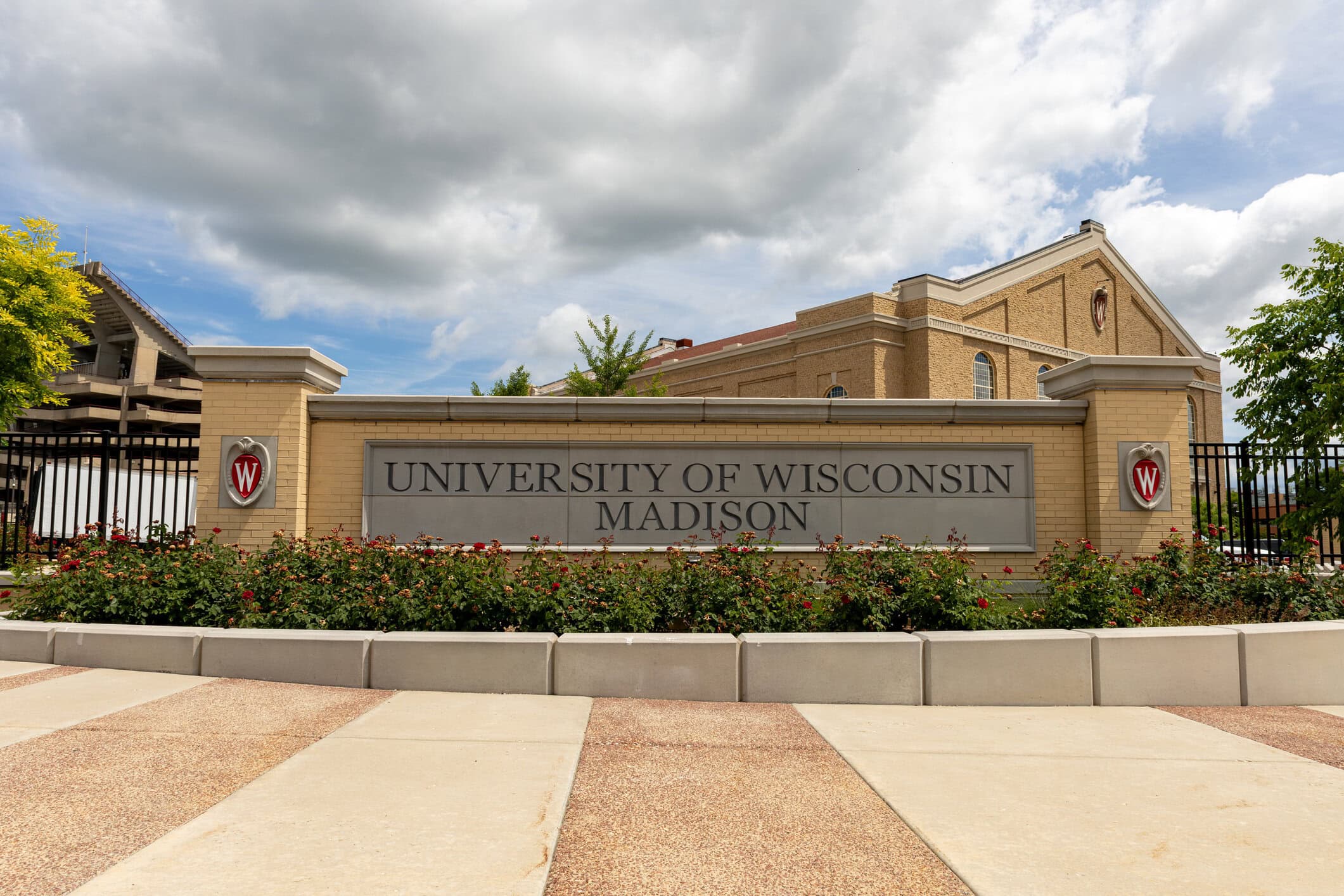
A University of Wisconsin-Madison research associate specializing in infectious diseases was arrested after authorities discovered a hazardous chemical in a campus laboratory office.
Makoto Kuroda, 41, originally from Japan and residing in Madison, was taken into custody on Friday, April 10, on charges of second-degree reckless endangerment. He was booked into Dane County Jail.
The UW-Madison Police Department reported that on April 7, officers and the Madison Fire Department Hazardous Incident Team responded to a report of an unknown odor emanating from items in an office within a campus research lab. Evidence collected tested positive for a chemical. After an investigation and Kuroda’s confession, he was arrested. The specific chemical has not been disclosed.
Kuroda is a research associate at UW-Madison’s Influenza Research Institute, where he has contributed to studies on SARS-CoV-2 (COVID-19), viral immunity, and animal models of infection. He previously worked with Japanese research institutions specializing in microbiology and infectious diseases. Kuroda’s research on SARS-CoV-2, Ebola virus, and other infectious pathogens has been supported by multiple grants from the National Institutes of Health (NIH), primarily through the National Institute of Allergy and Infectious Diseases (NIAID).
University police described the incident as isolated and stated there is “no known threat to public safety.”
The arrest occurs during increased scrutiny of foreign researchers in sensitive U.S. academic laboratories, especially in infectious disease research. UW-Madison is a leading employer of H-1B visa holders in Wisconsin, sponsoring 235 visas in fiscal year 2025 for teaching, research, and medical training roles. The program enables international talent such as Kuroda to join the university.
Last fall, the Trump administration imposed new H-1B restrictions, including a $100,000 fee for certain new H-1B petitions filed by workers outside the United States. Wisconsin and other states have filed lawsuits, arguing these policies undermine research, innovation, and workforce needs. UW-Madison has joined legal challenges to related federal actions affecting research funding and international hiring. Gov. Tony Evers vetoed two Republican-backed bills aimed at limiting foreign influence in state research. AB 663 would have restricted academic and research partnerships between the University of Wisconsin institutions and colleges or universities in designated “foreign adversary” nations (such as China, Russia, Iran, North Korea, and Cuba). AB 673 sought to bar medical and research facilities from using genetic sequencing software or storing human genome data produced by or linked to those countries.
Evers argued the legislation would interfere with the University of Wisconsin System’s autonomy and could hinder its ability to secure research grants or participate in international collaborations. Supporters said the bills were needed to address national security risks in sensitive fields. Japan, Kuroda’s country of origin, is a close U.S. ally and is not designated as a foreign adversary. However, Kuroda’s research and the hazardous chemical incident highlight ongoing concerns about laboratory safety, security, and immigration policy for specialized researchers.
