


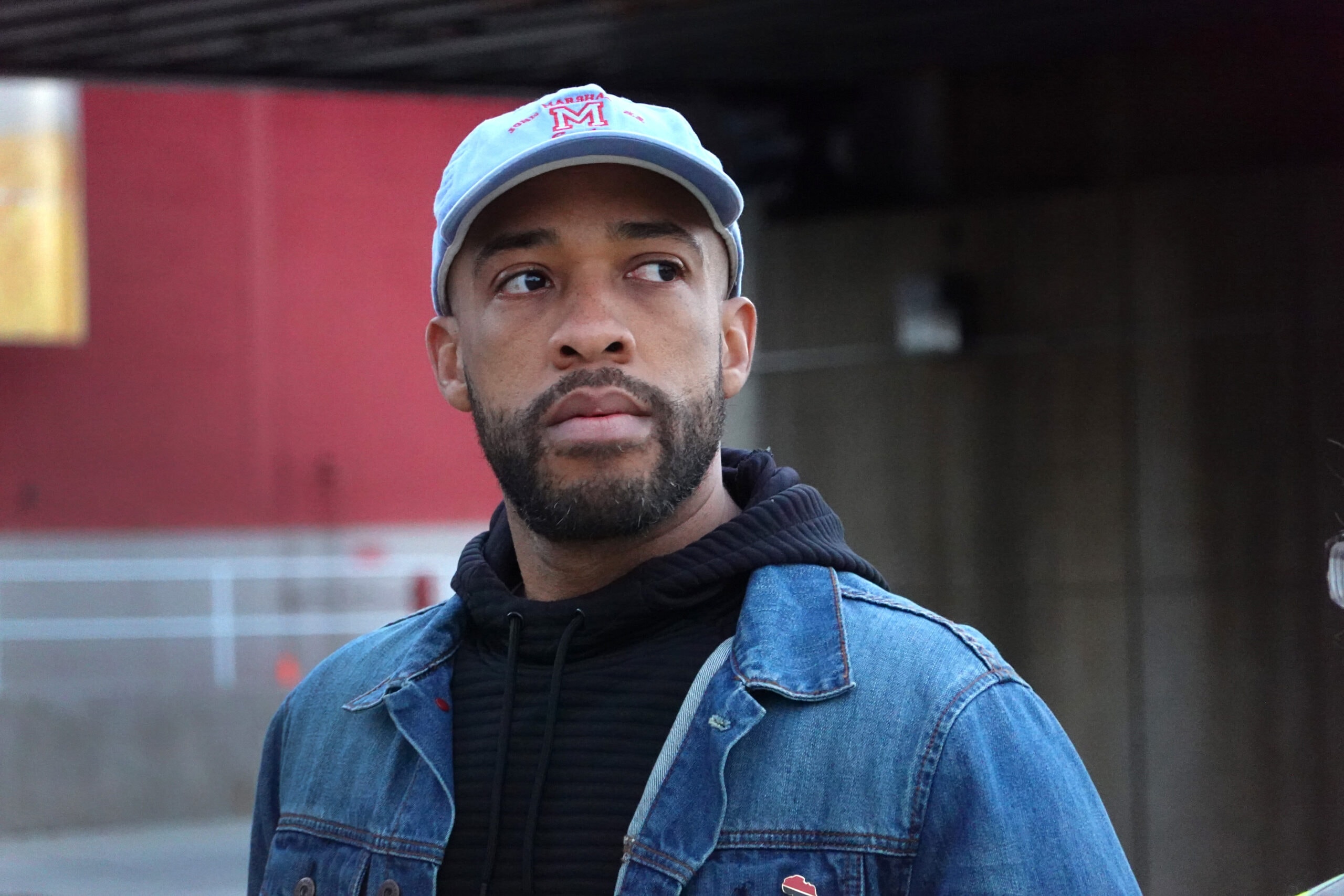
For a candidate who entered Wisconsin’s Democratic gubernatorial primary with the highest name recognition in the field and was widely viewed as the frontrunner, Mandela Barnes’ sixth-place finish in the WisPolitics straw poll should raise serious concerns.
No, a convention straw poll won’t determine what happens next August. Roughly 600 activists and party insiders are not representative of the broader Democratic electorate. But straw polls are useful for measuring enthusiasm, and Barnes’ showing highlighted a problem that has become increasingly apparent throughout this race: he is struggling to define himself in a crowded Democrat primary field.
Four years ago, for better or worse, Barnes knew exactly who he was.
As the Democratic nominee for U.S. Senate in 2022, he ran as an unapologetic progressive. His campaign was powered by activists and grassroots organizers who viewed him as one of the movement’s rising stars. Whether it was his criticism of law enforcement, support for abolishing ICE, or controversial comments about America’s founding, Barnes embraced positions that energized the left and helped clear his path through the Democratic primary.
This time around, things look very different.
Even before entering the race, prominent Democrats openly questioned whether Barnes should run again. The New York Times reported concerns about his electability, while The Milwaukee Courier published a scathing editorial urging him to stay out of the race altogether.
Perhaps hearing these concerns, the Barnes campaign of 2026 is noticeably more polished, more cautious, and far more consultant-driven. Rather than leaning into the activist politics that fueled his rise, Barnes has attempted to reposition himself as a more conventional statewide candidate. While he will still throw the occasional scraps to the progressive base, his rhetoric is softer. His messaging is safer. His campaign appears designed to reassure general-election voters and Democratic insiders who worried his progressive baggage contributed to his narrow loss against Ron Johnson in 2022.
The problem is that in trying to appeal to everyone, Barnes may be convincing no one.
Open socialist Francesca Hong has emerged as the breakout candidate of the primary, attracting many of the activists and organizations that once would have naturally gravitated toward Barnes.
Congressman Ro Khanna, who previously endorsed Barnes during his Senate run, is now campaigning alongside Hong. Black Leaders Organizing for Communities (BLOC), a Milwaukee-based voter mobilization group with Soros ties that backed Barnes in 2022, declined to rally behind him this time, instead issuing a dual endorsement of Hong and Milwaukee County Executive David Crowley.
At the same time, Barnes has struggled to gain traction with the party establishment, with many Democratic insiders still viewing him as the candidate who lost a winnable Senate race in a year when Democrats overperformed expectations nationally and Governor Tony Evers won reelection by more than three points. Meanwhile, progressive voters who backed Barnes previously view him as an establishment sell-out and nothing more than an opportunist and a chameleon, changing his colors to fit whatever the politically convenient moment requires of him to survive.
As a result, Barnes finds himself caught between two factions of the Democratic Party. The activist left increasingly prefers Hong, while establishment-minded voters are gravitating toward candidates such as Sara Rodriguez, David Crowley, and, to a lesser extent, Joel Brennan.
For months, Barnes’ standing in public polls has been sustained largely by one advantage no other candidate possesses: name recognition. After serving as lieutenant governor and running a statewide Senate campaign, he entered the race as the only Democrat with universal familiarity among primary voters.
But name recognition only goes so far.
Recent internal polling from the Rodriguez campaign illustrates the challenge Barnes faces. Barnes still leads with 26 percent support, but that is down from 32 percent in March. Meanwhile, both Hong and Rodriguez have gained ground, with much of their growth appearing to come directly at the expense of Barnes.
Those numbers will continue to shift as candidates begin spending heavily on television and digital advertising. Outside groups have already invested heavily in Rodriguez and Crowley, while Brennan has launched a six-figure television buy. Barnes, despite possessing one of the strongest fundraising networks in the field, has largely remained on the sidelines.
That likely won’t last much longer, given the poor performance amongst the insiders who know Barnes the best.
The question facing Barnes is whether he can rebuild a coalition before it is too late. Does he move back toward the progressive politics that made him a star and attempt to reclaim voters who have migrated to Hong? Or does he continue betting that Democratic primary voters will ultimately prioritize electability over ideology?
Another question Barnes faces is whether or not his poor showing at Convention and shrinking poll numbers will give donors some pause in the coming weeks. If the candidate with the highest name recognition in the race is steadily losing ground while struggling to define a political identity, how long before donors start wondering whether their money might be better spent elsewhere?
The answers to these questions may determine whether Barnes remains a contender or becomes a cautionary tale about the limits of political reinvention.
For now, the convention straw poll delivered a message Barnes cannot afford to ignore: many Democratic activists no longer know exactly what he stands for. Until he answers that question, his campaign may continue losing ground on both sides of the party’s divide.
