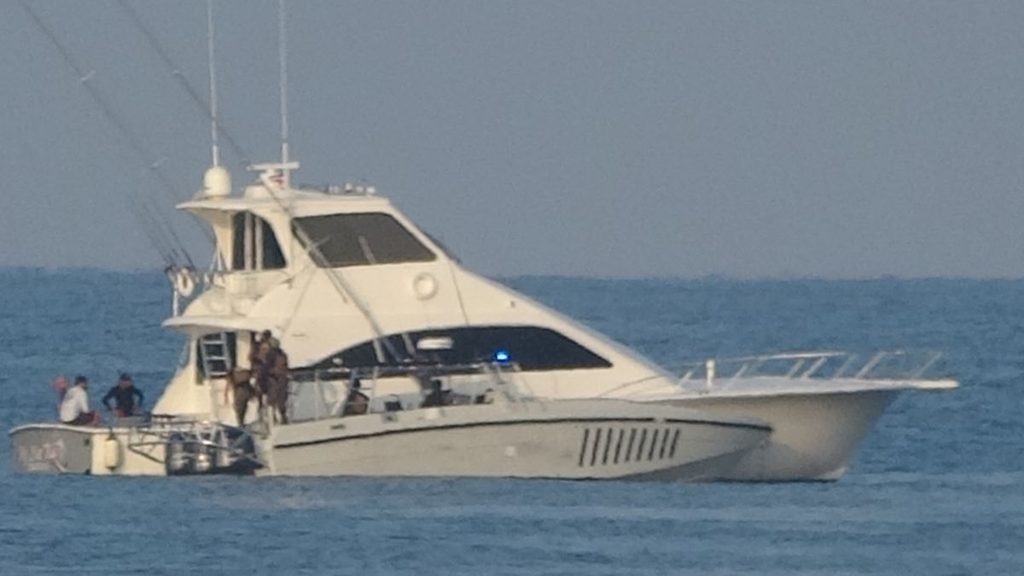


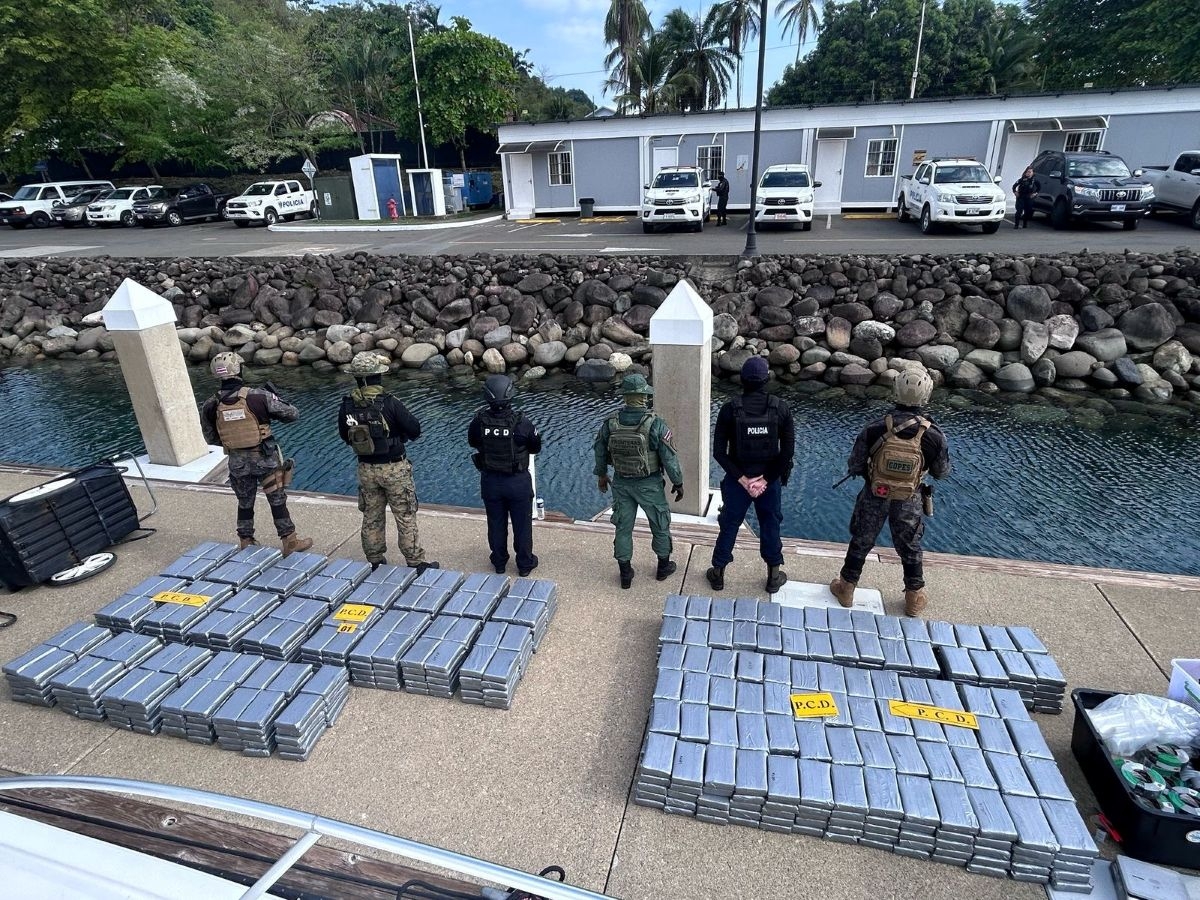
Three Mexican nationals linked by prosecutors to the Sinaloa Cartel were extradited from Costa Rica and appeared in Milwaukee federal court on October 19, 2026. They face drug trafficking charges after authorities seized about 840 kilograms (roughly 1,850 pounds) of nearly pure cocaine worth nearly $17 million from a U.S.-flagged yacht stopped near Quepos on Costa Rica’s Pacific coast in April 2025.
The yacht, called the My Lisa Too, is a roughly 57-foot boat registered in the United States. On April 15, 2025, Costa Rican drug police and coast guard officers stopped it near the Quepos marina. They found the cocaine hidden in compartments inside the boat, along with about $12,000 in cash and a satellite phone. The packages were about one kilogram each and wrapped in plastic and tape. The three crew members: Miguel Ángel Campos-Barragán, Giovanni Vidrio-López, and Eustaquio Espinosa-Hernández were arrested on the spot.
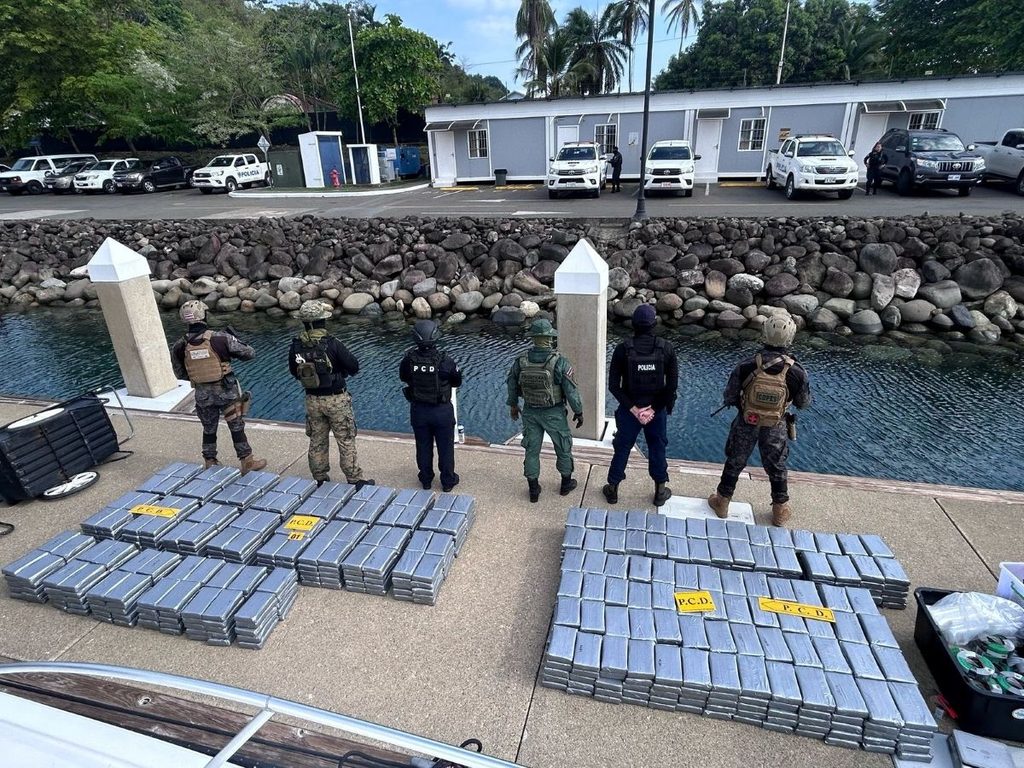
Prosecutors in Wisconsin say the cocaine was nearly pure and valued at about $20,000 per kilogram on the street, for a total of roughly $16.8 million. First Assistant U.S. Attorney Brad Schimel said at an October 20 press conference that the drugs would probably have been mixed with other substances before sale, so the cartel’s profit could have been much higher. “An enormous amount of pure cocaine was stopped from infecting communities in the United States,” he said. Officials called it one of the largest drug seizures ever charged in the Eastern District of Wisconsin.
The men were indicted in Milwaukee in May 2025 under a U.S. law that lets federal courts handle drug cases involving American ships that are flagged by Federal law enforcement, even when the alleged crime happens far from the United States. One charge covers a conspiracy from January 2024 until the April 15, 2025 stop to move five kilograms or more of cocaine. The second charge covers possession of the drugs on the day of the seizure. Prosecutors say the shipment was headed toward the United States and that Milwaukee’s DEA office was already working against Sinaloa Cartel assets, which helped bring the case to Wisconsin. The men appeared before U.S. Magistrate Judge Nancy Joseph and were ordered held until trial. Their next court date is expected in early November. Assistant U.S. Attorney Robert J. Brady, Jr. is prosecuting the case.
The extradition took place around October 16 after proceedings in Costa Rica. Costa Rican officials publicly linked the men to the Sinaloa Cartel and credited joint work with the DEA. U.S. authorities said the case is part a Homeland Security Task Force initiative aimed at cartels and other trafficking networks. The DEA (including offices in Milwaukee and Costa Rica) and the FBI’s Milwaukee office led the investigation, with help from Costa Rican police and coast guard, the Justice Department’s international affairs office, and the U.S. Marshals Service.
Schimel noted that the case stands out because of its size and because “neither the drugs nor the individuals indicted ever entered the Eastern District of Wisconsin until just the other day.” An indictment is only an allegation, and the defendants are presumed innocent until proven guilty.
“This case is noteworthy for several reasons,” said First Assistant U.S. Attorney Brad Schimel. “First, this is one of the largest drug seizures ever charged in the Eastern District of Wisconsin. Second, it is an unusual case because an enormous quantity of drugs was intercepted before it ever entered the United States. This case demonstrates the incredible capabilities of U.S. authorities working in partnership with our counterparts in Central and South America.”
“The extradition of these individuals reinforces our commitment to relentlessly pursuing those who traffic dangerous illicit drugs into our communities,” said Todd C. Smith, Special Agent in Charge of the DEA Chicago Field Division. “We are grateful for our partnerships with the Homeland Security Task Force, the U.S. Attorney’s Office for the Eastern District of Wisconsin, and our state and local law enforcement partners, as well as our foreign partners in Costa Rica, in holding those affiliated with Foreign Terrorist Organizations like the Sinaloa Cartel accountable.”
The case demonstrates ongoing cooperation between the U.S. and Costa Rica against cocaine smuggling through Central America, a common route for drugs moving north from South America.
Source: U.S. Attorney’s Office