


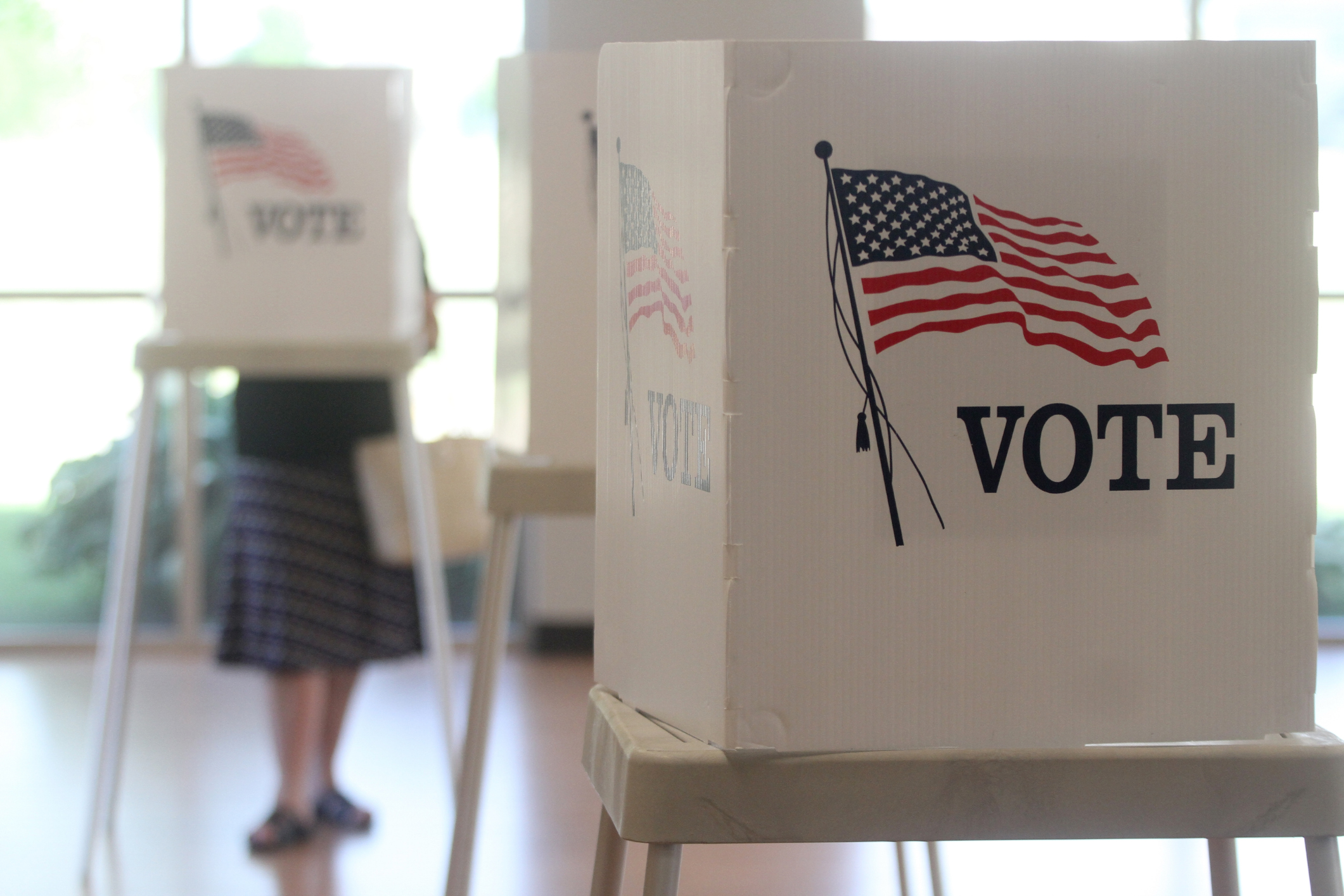
Wisconsin voters on Tuesday approved Statewide Referendum Question 3, “Governmental entity discrimination prohibited.” The amendment puts a simple rule in the state constitution: government can’t treat people differently because of their race or sex.
With about 84 percent of the expected vote counted, Yes led 56.9 percent to 43.1 percent, or 1,317,501 votes to 999,475, and Yes has gained ground as more counties report.
The amendment creates Section 27 of Article I of the Wisconsin Constitution. It bars every governmental entity from discriminating against, or granting preferential treatment to, any individual or group on the basis of race, sex, color, ethnicity, or national origin. That covers public employment, education, contracting and administration. The rule applies to the University of Wisconsin System, technical colleges, school districts, municipalities, the Legislature, and the courts. Narrow exceptions apply where federal funding eligibility or federal law requires it, and for bona fide sex-based qualifications.
It took two sessions to get here. The Legislature first approved the amendment as 2023 Assembly Joint Resolution 109, then passed it again this session as Assembly Joint Resolution 102. Constitutional amendments skip the governor, so Tony Evers had no chance to veto it. Republicans voted for it as a bloc, and every Democrat in both chambers voted no.
State Rep. Dave Murphy of Hortonville wrote the amendment, which he said grew out of the U.S. Supreme Court’s 2023 decision in Students for Fair Admissions v. Harvard. “I’m glad that I can take this to the people for a signing rather than to Gov. Evers because I think the people will support this,” Murphy told Wisconsin Watch. He was right. Murphy is retiring this year, and the amendment will outlast his time in the Assembly.
Murphy has also said programs for people in need can keep going, as long as they’re open to everyone. “People that are disadvantaged are disadvantaged,” he said. “It can’t exclude anybody.”
State Sen. Steve Nass, a co-sponsor, put it plainly: “Past discrimination, however wrong, cannot be corrected with more discrimination. Old wounds cannot be healed by inflicting new ones.”
The Wisconsin Institute for Law & Liberty backed the measure. Dan Lennington, the group’s deputy counsel, said it would “end discriminatory DEI programs throughout Wisconsin.”
The ACLU of Wisconsin, the League of Women Voters, Law Forward and Senate Democrats fought it. Voters didn’t buy their warnings.
Tuesday wasn’t a good night for Republicans overall. Democrats led for governor, attorney general, secretary of state and treasurer. Question 3 still ran well ahead of the party’s candidates. Equal treatment under the law won.
