


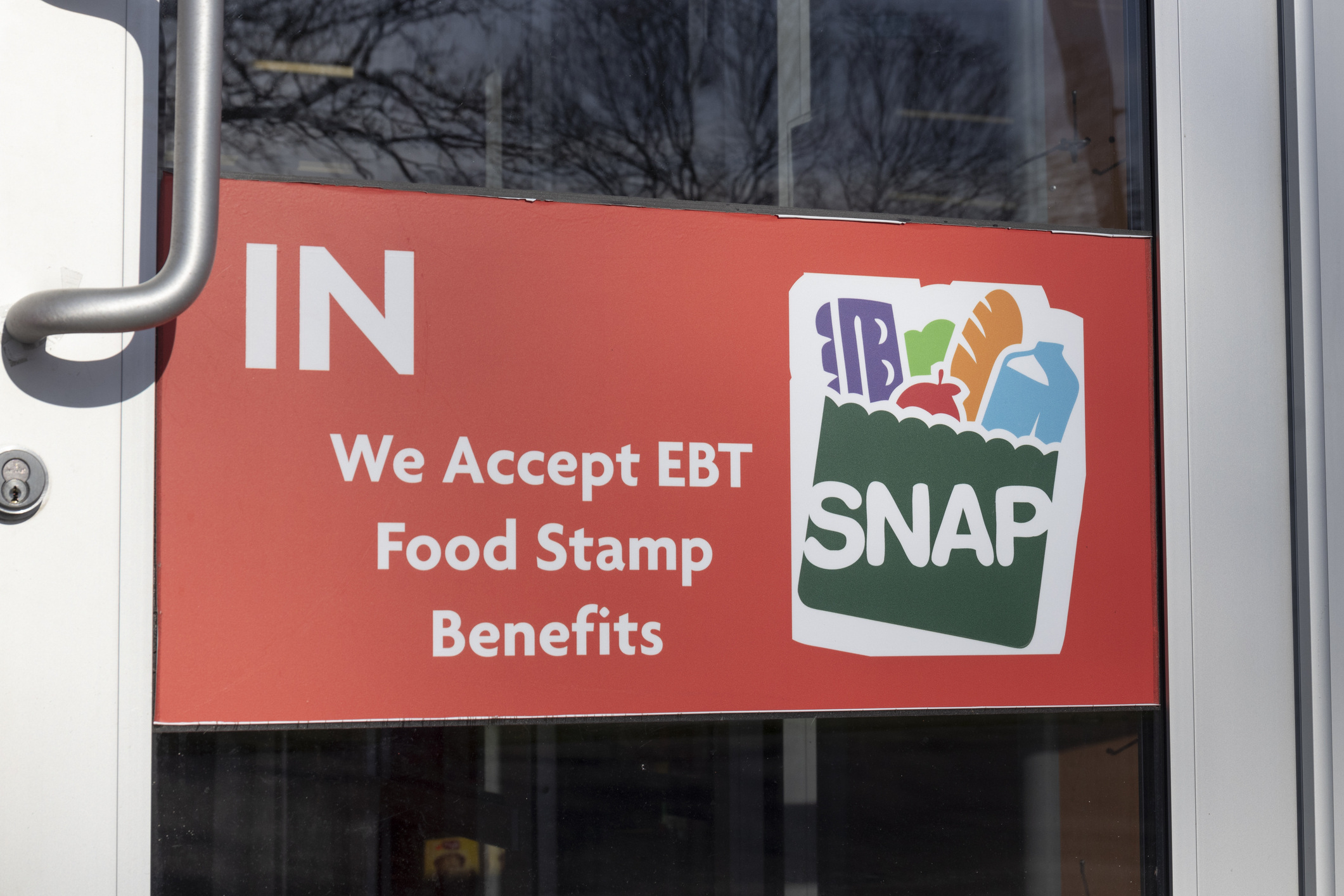
Gov. Tony Evers signed legislation Monday, adding more than $72 million to Wisconsin’s FoodShare program while directing the state to seek federal waivers banning candy, soda, and energy drinks from taxpayer-funded purchases.
Wisconsin Act 116 addresses recent federal reforms enacted through the Republicans’ “Big Beautiful Bill,” which reduced SNAP benefits by approximately 20 percent, increased work requirements, and transferred more administrative costs to states. Without additional state funding and improved error-rate controls, Wisconsin could have faced annual penalties exceeding $200 million if the FoodShare error rate surpassed 6 percent, in addition to $284 million already projected for future budgets.
The $72 million appropriation to the Department of Health Services includes $32.3 million for increased administrative costs, $16.1 million for additional staff to maintain error rates below the federal threshold, and $20.7 million to expand the FoodShare Employment and Training program to comply with new work requirements. The legislation also mandates an electronic platform to improve data reporting and accountability.
The ban on candy and soda drew particular praise from conservatives. On social media platform X, state Rep. Ron Tusler noted on X that Evers “angers Dems” by removing junk food from SNAP benefits. Nationally, this action aligns with Sen. Rand Paul’s proposed Nutritious SNAP Act and Texas’s recent prohibition on soda and candy, reflecting a broader effort to ensure welfare funds are used for nutritious foods.
More than 160 nonpartisan groups supported the measure, cautioning that delays could negatively impact recipients, grocers, and state budgets. While Evers described the federal changes as “chaos” and “attacks,” the legislation highlights a shift toward fiscal discipline and program integrity in response to recent federal reforms. Wisconsin now joins other states in implementing limits on junk food purchases through SNAP, aiming to support families in need and manage taxpayer resources. The changes are effective immediately, with waiver requests submitted to federal officials. According to state officials, the investment will maintain access and strengthen accountability, representing a bipartisan achievement in the current legislative environment.
