


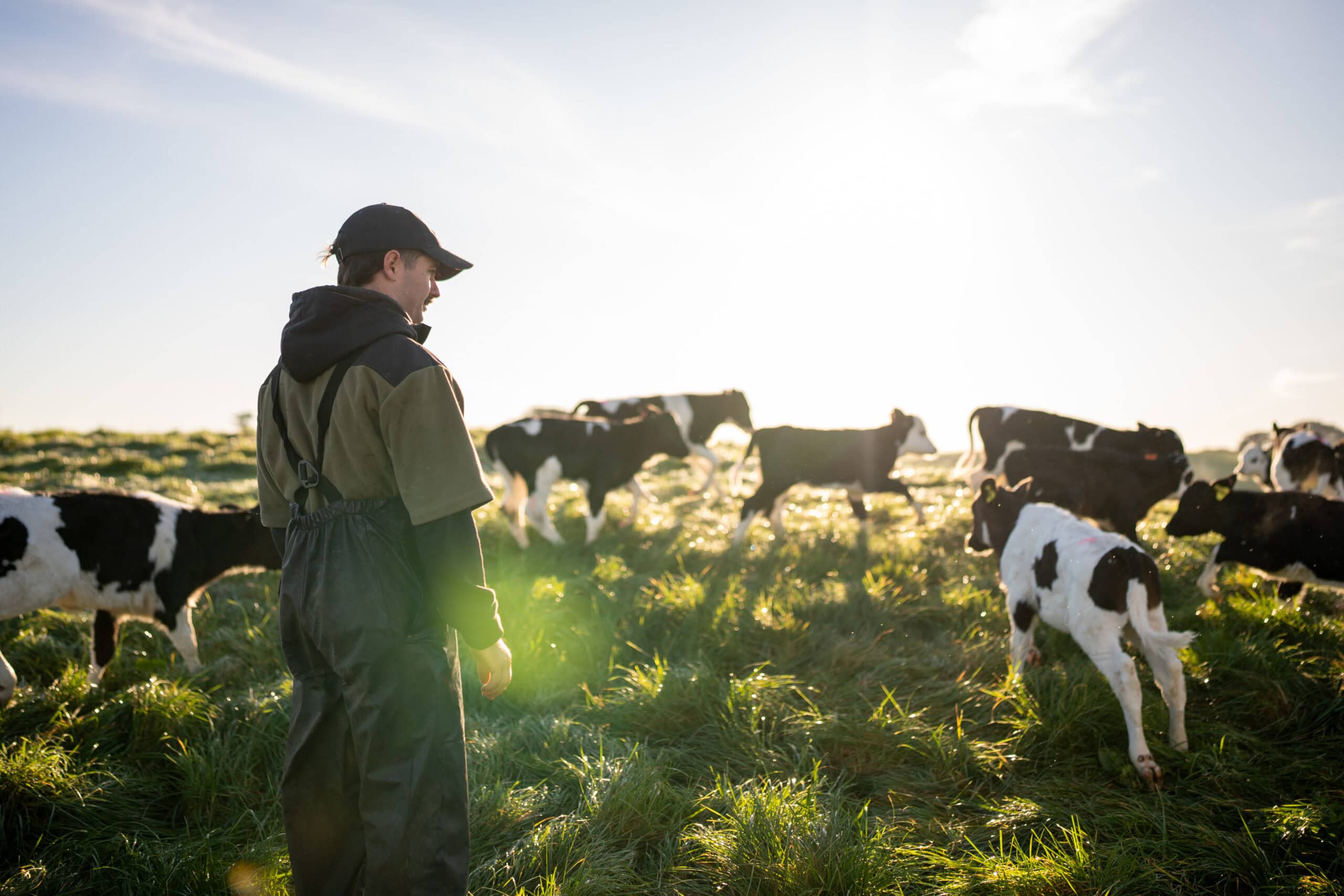
Long before most Wisconsinites wake up and pour milk into their morning coffee, dairy farmers across the state have already been hard at work for hours.
In Wisconsin, farming is not a nine-to-five job. It is a lifestyle built around hard work and an unwavering commitment to caring for animals and producing food for families across the nation. Farming consistently ranks in the top 10 toughest jobs in America. Dairy farmers work seven days a week, often before sunrise and well after sunset, regardless of weather conditions, holidays, or weekends. For many Wisconsin dairy farmers, the day begins around 4:00 a.m.
Before Sunrise: The First Milking
The first task of the day is often milking the herd. Depending on the operation, dairy cows are typically milked two to three times every day, every day of the year. Cows do not take weekends off, and neither do the farmers who care for them.
Farmers begin by preparing the milking parlor, checking equipment, and bringing cows in for milking. Each animal must be monitored closely for signs of illness, injury, or changes in production. Maintaining herd health is critical not only for animal welfare but also for ensuring a safe, high-quality milk supply. While the cows are being milked, farmers inspect equipment, monitor milk storage systems, and record production data.
Feeding the Herd
Once milking is complete, attention turns to feeding.
A dairy cow consumes a carefully balanced diet designed to provide the nutrients necessary for milk production and overall health. Farmers spend significant time mixing and distributing feed that may include corn silage, haylage, grains, minerals, and nutritional supplements.
Feed management is one of the largest expenses on a dairy farm. Farmers constantly evaluate feed quality, storage conditions, and inventory levels to ensure their herd receives proper nutrition while controlling costs.
Water systems must also be checked regularly. A dairy cow can consume 30 to 50 gallons of water per day, making access to clean water essential.
Farm Maintenance Never Ends
Beyond caring for livestock, dairy farmers are mechanics, electricians, carpenters, plumbers, and equipment operators.
A typical day may include repairing a broken tractor, replacing hydraulic hoses, servicing a skid loader, or troubleshooting milking equipment. When machinery breaks down, repairs often cannot wait until tomorrow.
Property maintenance is another constant responsibility. A damaged fence must be repaired before livestock can safely use a pasture. Barn doors need maintenance. Roofs require inspection after storms. Driveways, drainage systems, and storage facilities must all be maintained to keep the operation functioning safely and efficiently.
Many farmers joke that no two days are ever the same because there is always something unexpected that demands attention.
Caring for Animals Around the Clock
Throughout the day, dairy farmers continually monitor the health and welfare of their animals.
New calves may need special care and feeding. Veterinarian visits must be scheduled. Sick or injured animals require treatment and observation. Pregnant cows nearing calving are watched closely, often requiring farmers to check barns late into the night.
Animal care remains one of the most important responsibilities on a dairy farm. Healthy cows are essential to a successful operation, and farmers invest significant time and resources into maintaining proper housing (aka the barns), nutrition, and veterinary care.
Field Work and Crop Production
Many Wisconsin dairy farms also grow the crops needed to feed their herds.
Depending on the season, farmers may spend hours planting corn, harvesting alfalfa, chopping silage, applying nutrients, or preparing fields for the next growing season. These crops serve as the primary feed source for dairy cattle and represent a major component of the farm’s annual workload.
Weather often dictates the schedule. When conditions are right for planting or harvesting, farmers may work well into the evening to take advantage of a narrow window of opportunity.
Regulations and Recordkeeping
In addition to physical labor, dairy farming involves extensive paperwork and regulatory compliance. Farmers must comply with environmental regulations, nutrient management requirements, animal health standards, food safety protocols, labor regulations, and numerous reporting obligations. Time spent behind a desk completing records, permit requirements, inspections, and compliance documentation has become a significant portion of daily farm operations..
Many farmers have expressed concerns about the mounting regulatory burden facing agriculture. Alongside rising costs for fuel, equipment, feed, fertilizer, labor, and insurance, compliance requirements can consume valuable time and resources that might otherwise be devoted to production and animal care. As operational expenses continue to rise, farmers have to balance maintaining compliance while remaining economically viable. Recent reporting has highlighted how rising input costs and regulatory requirements have added enormous pressures to an industry already operating on razor thin margins.
Evening Chores and the Final Milking
As many families sit down for dinner, dairy farmers are often preparing for the second or third milking of the day.
The evening routine mirrors the morning: milking cows, feeding livestock, checking equipment, cleaning facilities, and ensuring animals are comfortable for the night.
Even after chores are complete, the work is rarely finished. Equipment may need additional repairs. Weather forecasts must be reviewed. Plans for the next day are made before farmers finally get a few hours of rest and prepare to do it all again.
The Backbone of Wisconsin
Agriculture contributes billions of dollars to Wisconsin’s economy and supports thousands of jobs throughout rural communities. Dairy farms help sustain equipment dealers, veterinarians, feed suppliers, processors, truck drivers, manufacturers, and countless small businesses.
Wisconsin’s identity is deeply connected to agriculture. America’s Dairyland remains one of the nation’s leading dairy-producing states. Wisconsin produces more cheese than any other state and is home to generations of farm families who have helped build the state’s economy and culture.
The next time you see a dairy farm along a Wisconsin highway, remember that the work happening there began before sunrise and will continue long after dark to feed our communities, our state, and our country. Their work often goes unnoticed, but its impact is felt every day at kitchen tables across Wisconsin and beyond. Support your local farmers, Wisconsin!
