


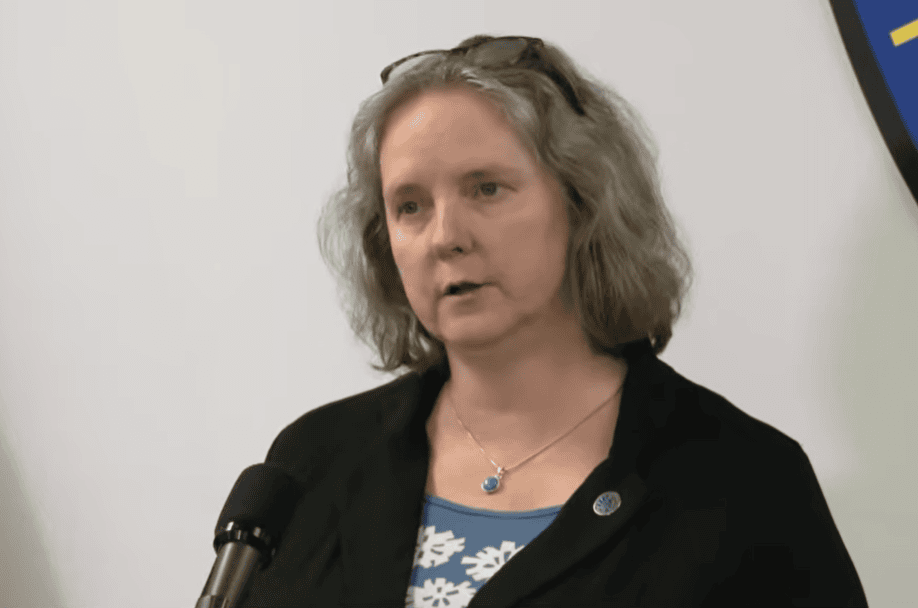
The illegal encampment that has seized control of a busy Madison intersection for nearly two weeks remained firmly in place Monday, even after Mayor Satya Rhodes-Conway issued a public demand Sunday that the occupation “needs to end now.”
Protesters and homeless individuals continue to occupy the intersection of Williamson and Baldwin streets with tents, furniture barricades, nail-studded boards and spike strips, more than 12 days after police shot and killed 38-year-old Corey Ruiz as violently resisted arrest and injured at least one officer with a knife he brandished throughout the incident. Rhodes-Conway’s statement acknowledged “real harm” to nearby businesses and residents, including lost jobs and income, yet the city has so far declined to clear the site by force.
Critics say the mayor’s delayed response has effectively sanctioned an open violation of multiple city ordinances and state laws. Madison General Ordinance 10.23 prohibits any person from “unnecessarily obstructing or causing to be obstructed any street, alley, crosswalk, terrace or sidewalk so as to interfere with public traffic or access,” with fines of $50 to $200. Ordinance 10.26 bars people from congregating on streets or sidewalks in a way that obstructs them. Ordinance 10.055 requires a permit for any occupancy of streets or public grounds with materials or structures.
State law is equally clear. Wisconsin Statute 86.025 makes it unlawful to camp “in wagons, tent or otherwise on the public highways or lands adjacent thereto” after notice to remove, punishable as a misdemeanor with a fine up to $10 or 30 days in jail. Statute 86.022 criminalizes willfully placing any obstruction in a public highway intended to impede its use.
Instead of immediate enforcement, city officials initially assisted the takeover by deploying salt trucks as barriers and allowing the street to remain closed “until further notice.” Only after more than a week of complaints from Marquette Neighborhood residents and business owners did Rhodes-Conway announce plans to tow vehicles and remove barricades, while still emphasizing a “peaceful and collaborative” end.
The mayor’s office has denied supplying porta-potties or direct financial aid to the occupation, though earlier statements from local alderpersons indicated city support for basic services. Meanwhile, the encampment—sometimes called the Corey Ruiz Autonomous Zone—has drawn comparisons to the 2020 CHOP zone in Seattle, with reports of checkpoints, mutual-aid tables and growing numbers of unhoused people.
Rhodes-Conway said the city has offered hotel vouchers to 25-30 people at the site and is working to preserve memorial items. Yet as of Monday morning, traffic remained blocked and the tents still stood, underscoring what residents call a selective approach to law enforcement that prioritizes political optics over public order.
