


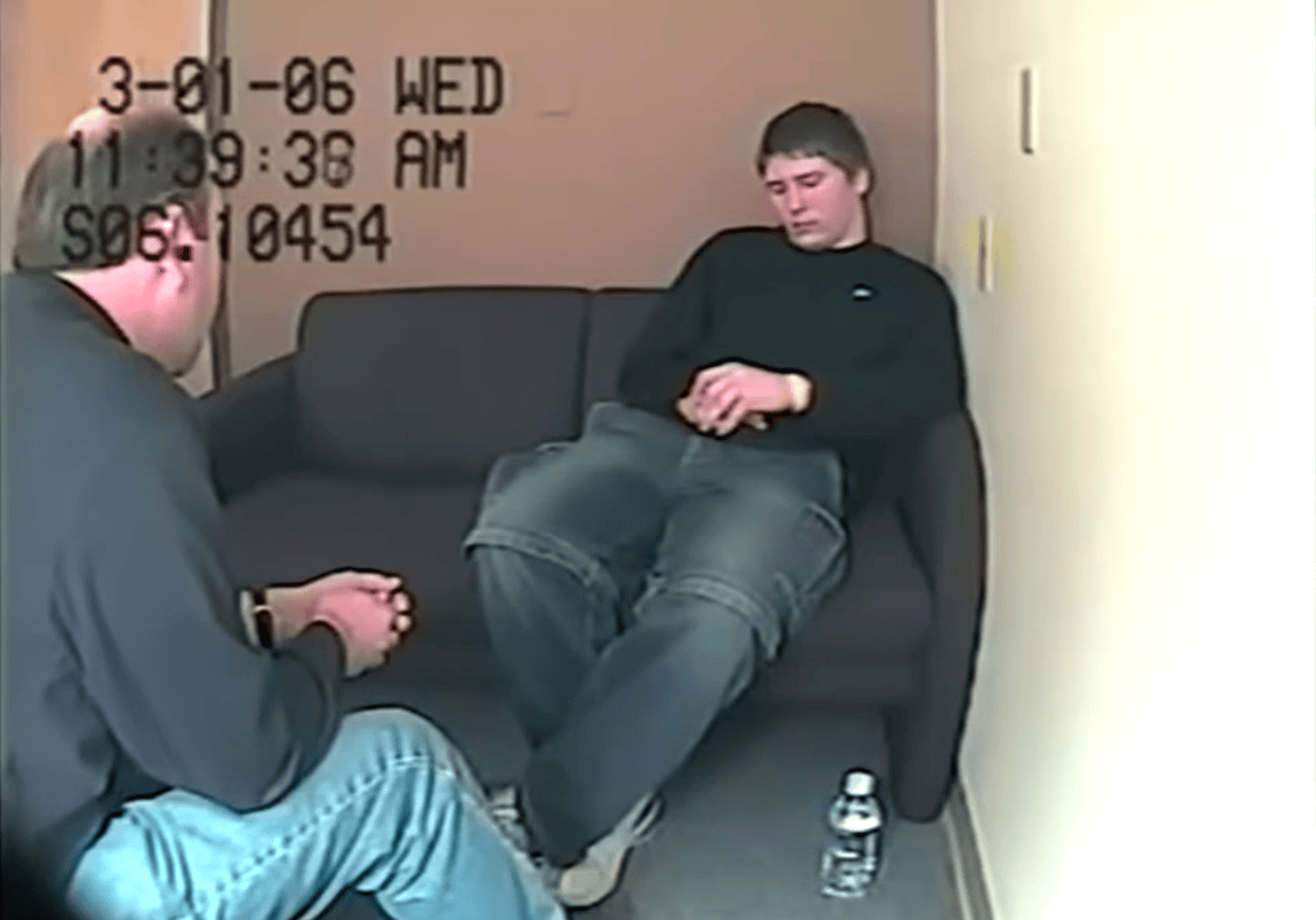
Brendan Dassey, the nephew of Steven Avery who admitted to sexually assaulting and then helping his uncle viciously murder Theresa Halbach in dispose of her body in 2005, is going to plead his case before Governor Evers’ Commutations Board on December 11th.
He is looking to be freed from prison after serving less than 20 years of a sentence of life without the possibility of extended supervision, and Governor Evers just might indulge him.
Dassey became a celebrity in the weird world of true crime when his crime became a national phenomenon when “Making a Murderer” hit Netflix in late 2015. Even those who weren’t convinced by the shoddy presentation of evidence that Avery was the victim of a vast conspiracy thought Dassey was pressured into a false confession.
He most certainly was not. I was a young reporter who covered both Avery’s and Dassey’s trials and produced a podcast entitled “Rebutting a Murderer” in which I laid out all of the evidence that the Netflix show left out but proves beyond any shadow of any reasonable doubt that both men are guilty and should never, ever be set free.
Dassey was not under any duress during his interrogation. He provided details only the killer would have known, and he resisted attempts by the interrogators to lead him into revealing false information. They asked him about a tattoo Halbach supposedly had, but Dassey said he did not remember Halbach having any tattoos.
The question was a plant; the two law enforcement officers questioning Dassey knew Halbach did not have a tattoo but asked him about it anyway to establish that he was answering questions of his own free will and was not simply following along with leading questions. This was a critical piece of evidence at trial and demonstrated that Dassey was of sound mind, understood the questions he was being asked, and answered truthfully.
Not only that, at trial his defense claimed that he was not actually confessing, but rather simply repeating details he read in the book “Kiss the Girls.” At trial, Dassey’s attorneys claimed he read at a fourth-grade level–not quite advanced enought to get through and comprehend “Kiss the Girls” at the level required to adapt its plot into his own narrative.
Consider this: At trial, Dassey claimed not to know what the word “inconsistent” meant. The word “inconsistent” is used literally dozens of times in “Kiss the Girls.” If he didn’t know what it meant, how could he possibly understand the novel?
He couldn’t, he didn’t, and he absolutely did not possess the high-level thinking required to manufacture a narrative from material he himself admitted that he did not understand. He was rightfully convicted of a murder so heinous that he cannot ever be allowed to set foot outside of a prison.
The people of the state of Wisconsin spoke with his conviction, the judiciary spoke by repeatedly denying his appeals. Now Governor Evers must respect their voices and keep Brendan Dassey where he belongs.
