


A little-known firm calling itself Median Strategies has admitted that polls it released in the Wisconsin Democratic gubernatorial primary and the Los Angeles mayoral race were pure fiction.
The company said Monday that the surveys were part of a “short-term social experiment examining how purported polling information could enter and spread through the political information ecosystem without independent verification.”
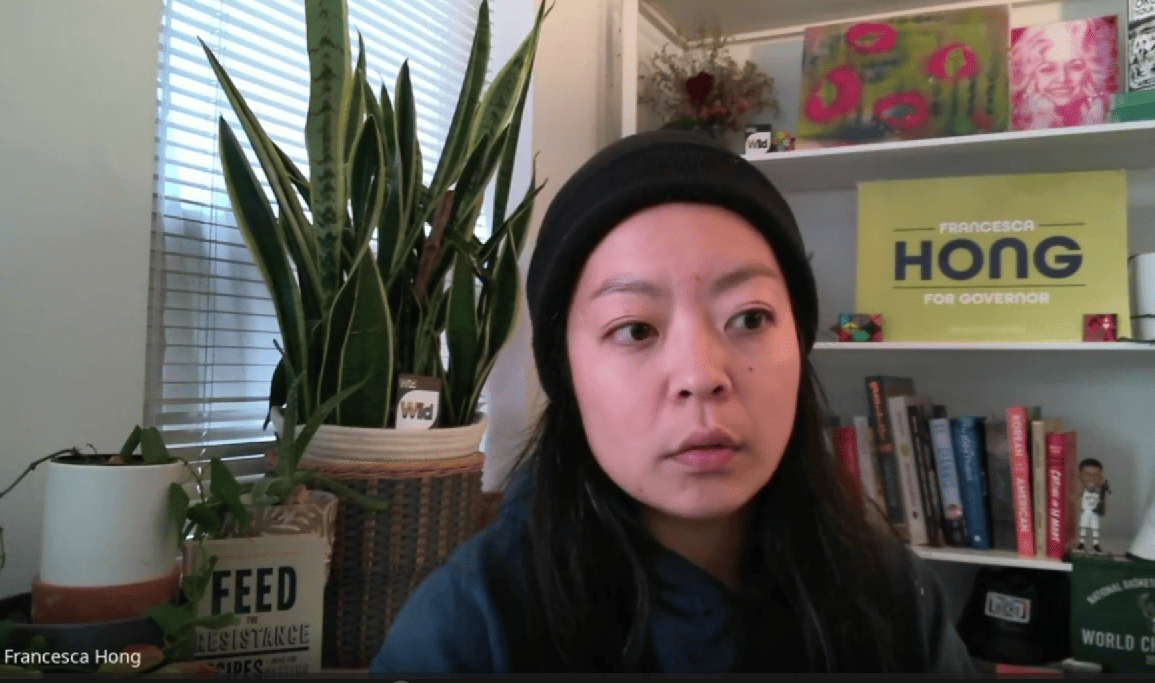
In early August, Median Strategies posted results claiming Francesca Hong led the Wisconsin Democratic primary with 46.3 percent support, followed by David Crowley at 22.6 percent, with a sample of 982 likely voters and a reported margin of error of ±3.8 percent. Hong, a democratic socialist state representative, ultimately lost the Aug. 11 primary to Crowley by a narrow margin.
The same outfit later released a fabricated poll showing Los Angeles Mayor Karen Bass leading her runoff opponent by nearly 12 points. After a Los Angeles Times reporter repeatedly contacted the firm, Median Strategies said it was discontinuing its polling operation and acknowledged the data had been wholly fabricated.
Median Strategies had billed itself as independent and nonpartisan. Its Wisconsin numbers fed the narrative that the far-left was unstoppable in the Democratic primary. Real polls from Marquette and others also had Hong ahead, but this one was 100 percent made up.
What Median Strategies did was unethical, deceptive, and corrosive to public trust. It was designed to mislead. But under existing law, it sits in a protected gray zone of political speech rather than a clear criminal offense. Publishing fabricated poll results is not clearly prohibited under current federal or Wisconsin law. Wisconsin Statute 12.05 makes it a misdemeanor to knowingly make or publish a false representation regarding a candidate that is intended or tends to affect voting in an election. Legal experts note the statute has rarely been applied to polling firms and would face significant First Amendment challenges. Academic discussions have explored potential wire fraud or commodities fraud theories regarding the impact of fake polls on prediction markets, but no charges have been filed in this case.
The real problem is cultural and journalistic: media outlets and campaigns that amplify unverified “polls” from unknown outfits without basic due diligence. The episode is another reminder that not every “poll” floating around online is real — especially when it conveniently hypes the most radical candidate in the field. It underscores ongoing problems with unverified polling sources that can shape media coverage, donor decisions, prediction markets and voter expectations in closely watched races.
